Apple’s Upcoming OLED iPad Mini: Release Date, Pricing, and Anticipated Features
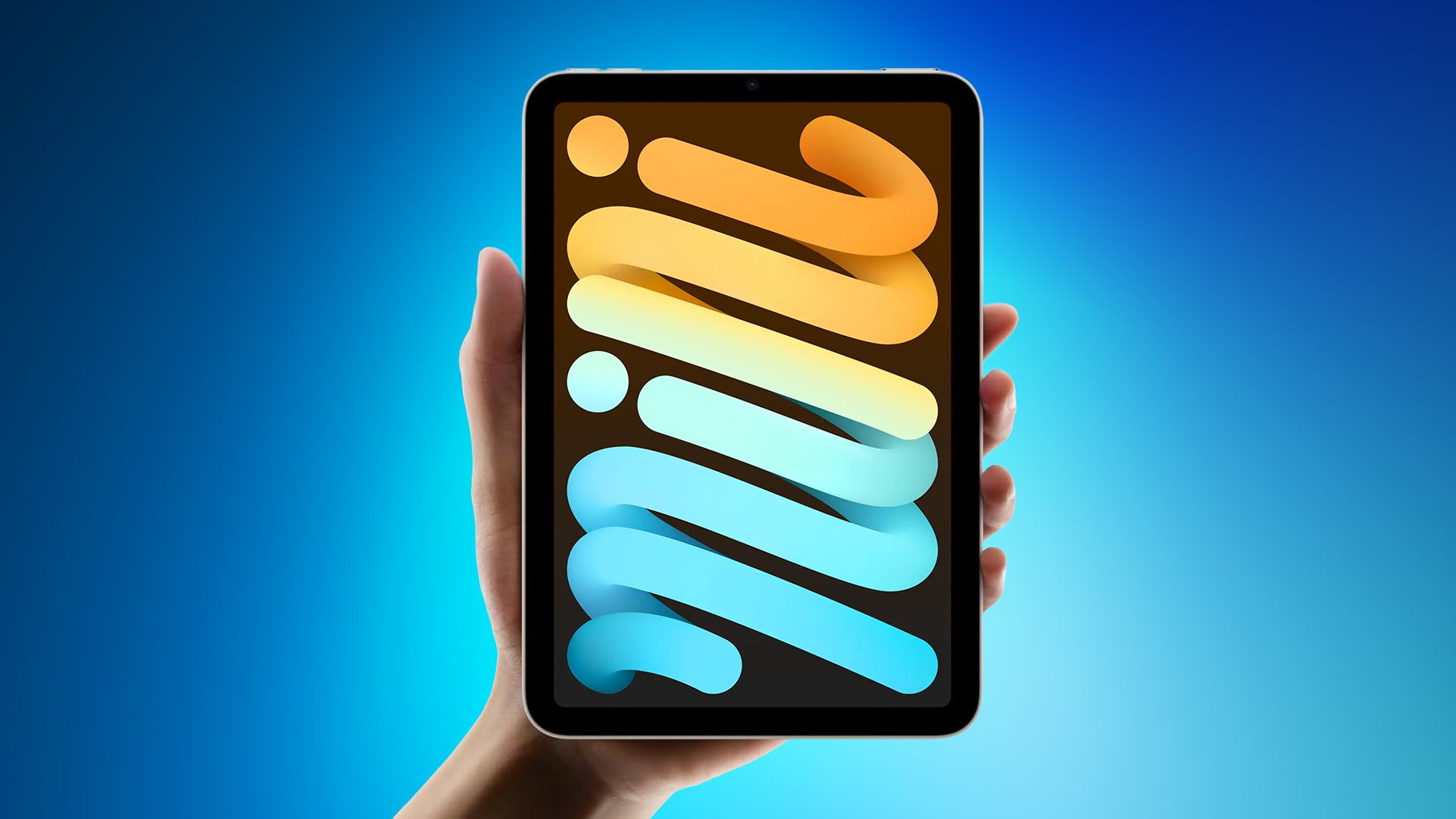
Apple is on the verge of unveiling its next-generation iPad mini, poised to introduce significant enhancements over its predecessor, the iPad mini 7. This forthcoming model is expected to feature an OLED display, a more powerful processor, and improved water resistance, marking a substantial evolution in the iPad mini lineup.
Processor and Performance
The upcoming iPad mini, internally codenamed J510/J511, is anticipated to be powered by Apple’s A19 Pro chip. This information surfaced from code that Apple inadvertently shared in August. The A19 Pro chip has already been integrated into the iPhone Air and iPhone 17 Pro models. The iPhone 17 Pro variants boast a high-end version of the A19 Pro with a 6-core CPU and a 6-core GPU, whereas the iPhone Air utilizes a mid-tier A19 Pro chip with one fewer GPU core.
If the leaked code is accurate, the iPad mini 8 is likely to incorporate the mid-tier A19 Pro chip found in the iPhone Air. This aligns with the precedent set by the iPad mini 7, which featured the A17 Pro chip—a 6-core CPU with two high-performance cores and four efficiency cores, along with a 5-core GPU, compared to the 6-core GPU in the iPhone 15 Pro’s A17 Pro.
The A19 Pro chip is built on an advanced third-generation 3-nanometer N3P process, offering modest improvements in speed and efficiency. It includes a 16-core Neural Engine, next-generation dynamic caching, and unified image compression. The GPU architecture has been upgraded with a larger cache, increased memory, and Neural Accelerators integrated into each core, delivering three times the peak GPU compute performance over its predecessor. Additionally, the enhanced 16-core Neural Engine is optimized for AI tasks.
There is a possibility that Apple might opt for the A20 Pro chip for the new iPad mini. This speculation arises from a MacRumors tipster who analyzed a macOS kernel debug kit containing internal Apple codenames. However, given that the iPad mini has not always received Apple’s latest A-series chip upon release, the inclusion of the A19 Pro remains a strong likelihood. The iPhone 18 Pro models are also expected to feature the A20 Pro chip, reportedly fabricated using TSMC’s advanced 2nm process.
Display
Apple’s plan to transition the iPad mini from an LCD to an OLED display is widely rumored. According to Bloomberg’s Mark Gurman, the small form-factor tablet is likely to be the next Apple device to adopt OLED. A Chinese leaker with sources in Apple’s supply chain has indicated that Apple has evaluated a Samsung-made OLED display for its next iPad mini model.
It remains unclear whether the iPad mini 8 will feature a higher refresh rate than the 60Hz LCD display used in the existing iPad mini 7. However, since the new base iPhone 17 now uses a 120Hz ProMotion panel, it would be reasonable to expect the same on the first OLED iPad mini. A separate report has suggested the iPad mini 8’s screen could increase in size from 8.3 inches to 8.7 inches with the adoption of OLED.
OLED panels can individually control each pixel, resulting in more precise color reproduction and deeper blacks compared to other common display technologies. They also provide superior contrast, faster response times, better viewing angles, and greater design flexibility. All of Apple’s flagship iPhones use OLED panels, and in May 2024, the company brought the display technology to the iPad Pro for the first time.
Unlike Apple’s iPad Pro models, which feature two-stack low-temperature polycrystalline oxide (LTPO) OLED panels, the iPad mini may have a single-stack low-temperature polycrystalline silicon (LTPS) panel, which would make it dimmer.
Chassis Design
Apple is reportedly working to give the iPad mini 8 a more water-resistant design, according to Bloomberg’s Mark Gurman. The updated casing would bring protection levels closer to those of the iPhone, making the tablet safer for use in damp environments.
To achieve this, Apple is said to have designed a new vibration-based speaker system that eliminates the need for traditional speaker holes. By using sound-emitting surfaces instead of open grilles, the company can reduce potential entry points for water and dust, resulting in a more sealed, durable enclosure.
On the iPhone, Apple relies on adhesives and gaskets to shield speakers and other openings from moisture. The iPad mini’s approach appears to go further, doing away with the holes altogether. Current iPad mini models lack any official IP rating, but the upcoming version could mark the first in the lineup to feature a certified level of water protection.
Apple patents could offer further clues to the new design direction. For example, a 2014 patent outlines a mechanically actuated panel acoustic system that vibrates flat surfaces to generate sound, effectively turning parts of a device’s chassis into a speaker diaphragm. This could potentially allow Apple to produce audio without visible speaker holes. The patent suggests Apple has been building towards a sealed, vibration-based acoustic system for several years.
Release Date
According to research firm Omdia, the iPad mini is expected to adopt an OLED display in 2027. However, Korea’s ET News and ZDNET Korea have both suggested that the iPad mini will be updated with an OLED display in 2026. Bloomberg has also said the update could come as soon as 2026.
The most recent word on the subject comes from Weibo-based leaker Instant Digital, who claims the OLED iPad mini will be launched in the second half of 2026 at the earliest.
In May 2024, it was reported that Samsung Display had started developing sample OLED panels
Article X Post:
Hashtags:
Article Key Phrase:
Category: Apple News