In a significant legal development, a Brazilian court has mandated that Apple, along with several other major technology and gaming companies, pay substantial fines totaling nearly $60 million due to the inclusion of loot boxes in games accessible to minors. This ruling underscores the growing global scrutiny over the use of loot boxes, which are often likened to gambling mechanisms.
Details of the Court’s Decision
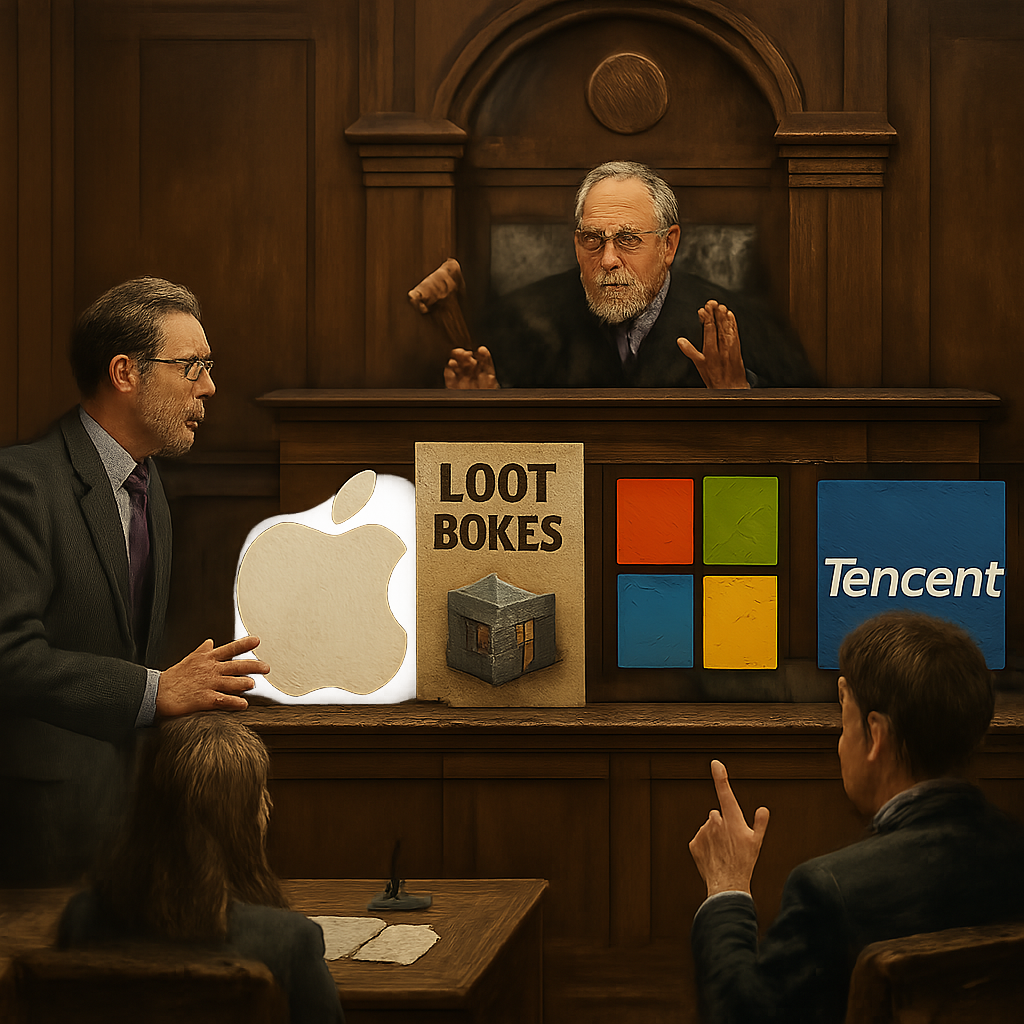
The 1st Court for Children and Youth of Brazil’s Federal District has ordered Apple, Microsoft, and Tencent to each pay R$50 million (approximately $9.8 million). Other companies, including Google, Sony, Electronic Arts, Riot Games, Ubisoft, Valve, Konami, and Nintendo, have been fined amounts ranging from R$40 million (about $7.8 million) to R$5 million (around $1 million). The total fines amount to R$298 million (approximately $58.7 million).
The court’s decision is based on the premise that loot boxes resemble forms of gambling, exposing children and adolescents to potential compulsive behaviors and commercial exploitation. This aligns with protections established under Brazil’s Federal Constitution, the Child and Adolescent Statute, and the Consumer Protection Code, which aim to safeguard minors from such practices.
Implications for Affected Companies
Beyond the financial penalties, the court has mandated that the companies implement several measures to address the concerns associated with loot boxes. These measures include:
- Establishing systems to refund purchases made by minors without parental consent.
- Implementing robust age-verification tools to prevent minors from accessing loot boxes.
- Clearly displaying warnings about the random nature of loot box rewards.
- Providing transparency regarding the probabilities of obtaining specific items from loot boxes.
Additionally, minors who have purchased or accessed loot boxes are entitled to seek individual compensation. To do so, they must demonstrate their involvement with the practice deemed unlawful and substantiate the extent of the harm suffered.
The companies involved retain the right to appeal the court’s decision. As of now, Apple has not provided a public comment on the ruling.
This case highlights the increasing global attention on the ethical implications of loot boxes in video games, especially concerning their accessibility to minors. It serves as a reminder for companies to reassess their in-game monetization strategies to ensure they align with consumer protection laws and ethical standards. The outcome of any potential appeals will be closely watched, as they may set precedents for similar cases worldwide.