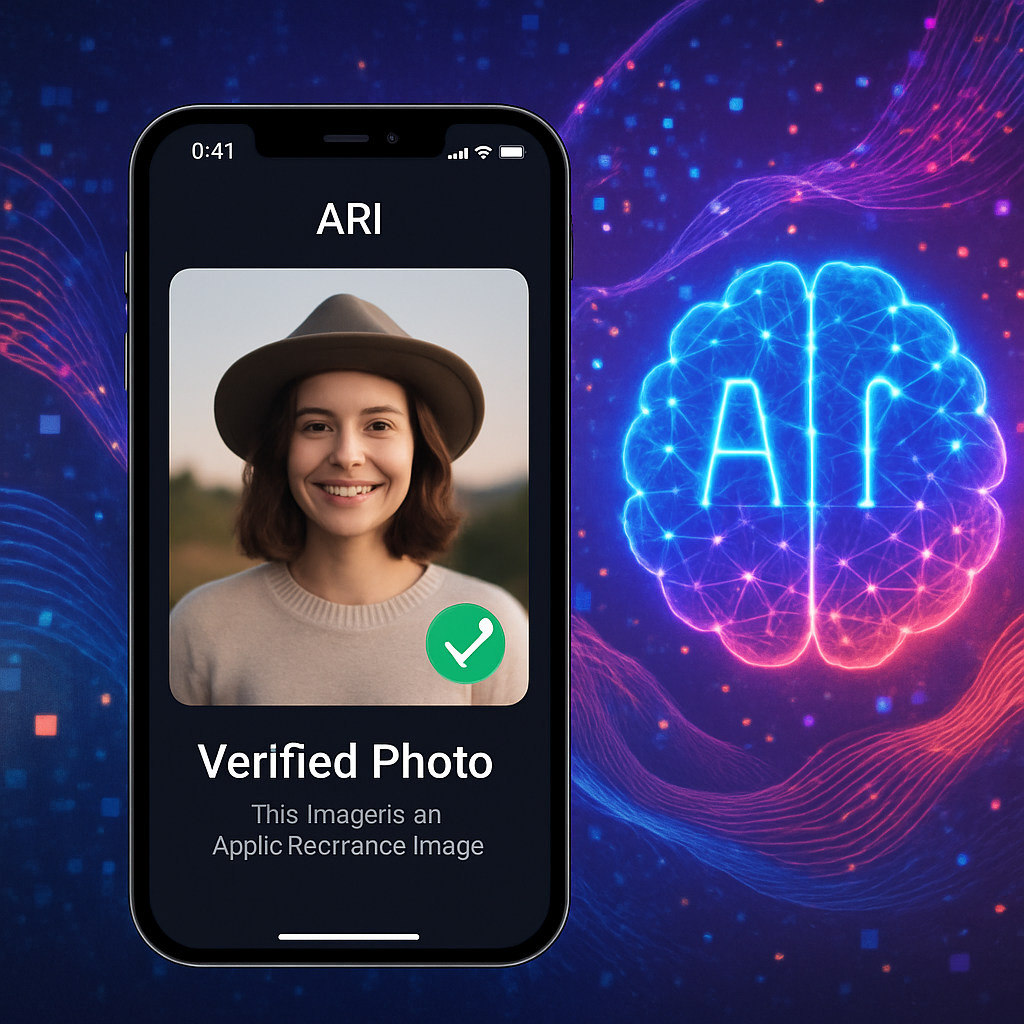
In the latest iOS 27 Beta 5, Apple has introduced a feature called Apple Reference Image (ARI), designed to authenticate photos taken with iPhones. This development addresses the growing challenge posed by AI-generated images that are increasingly difficult to distinguish from genuine photographs.
ARI allows users to upload their iPhone-captured photos to Apple’s servers for verification. This feature is particularly beneficial for professionals such as journalists and individuals involved in legal matters who require independent confirmation of their photos’ authenticity. Notably, ARI is disabled by default, indicating that its primary audience is users with specific verification needs.
The rise of AI-generated content has led to concerns about misinformation and digital fraud. In response, the Coalition for Content Provenance and Authenticity (C2PA) was established, comprising over 500 companies collaborating to develop standards for verifying digital content’s origin and modifications. While Apple has not officially joined C2PA, the introduction of ARI suggests a parallel effort to ensure content authenticity.
Beyond images, the European Union has proposed a code of practice emphasizing transparency in AI-generated content, encompassing both visuals and text. This initiative aims to help users easily identify non-authentic content. Companies like Anthropic have proactively embraced this approach, announcing that future models of their AI, Claude, will incorporate digital watermarking for both text and images, reflecting a broader industry trend toward content verification.
As AI-generated content becomes more prevalent, tools like ARI are likely to become essential in maintaining trust in digital media. Apple’s move to authenticate iPhone photos is a significant step in this direction, highlighting the tech industry’s commitment to combating misinformation and ensuring content integrity.