Apple is poised to introduce a significant update to its MacBook Pro lineup, potentially as early as later this year. This overhaul is expected to bring several groundbreaking features to the Mac series.
Transition to OLED Displays
One of the most anticipated changes is the shift from mini-LED to OLED display technology. This marks the first time Apple will incorporate OLED screens into its Mac lineup, a technology previously utilized in iPhones, iPads, and Apple Watches. OLED displays are renowned for delivering true blacks, higher contrast ratios, and more vibrant colors, thanks to their ability to turn individual pixels off completely, unlike mini-LEDs that rely on a backlight system.
Introduction of Touchscreen Functionality
In a move that blurs the lines between Macs and iPads, the upcoming MacBook Pro is expected to feature touchscreen capabilities. Apple is reportedly optimizing macOS to enhance the touch experience, introducing dynamic adjustments where controls enlarge upon touch for easier navigation. This includes support for common touch gestures like pinching, zooming, and faster scrolling, aiming to make touch navigation feel fluid and natural.
Dynamic Island and Design Refinements
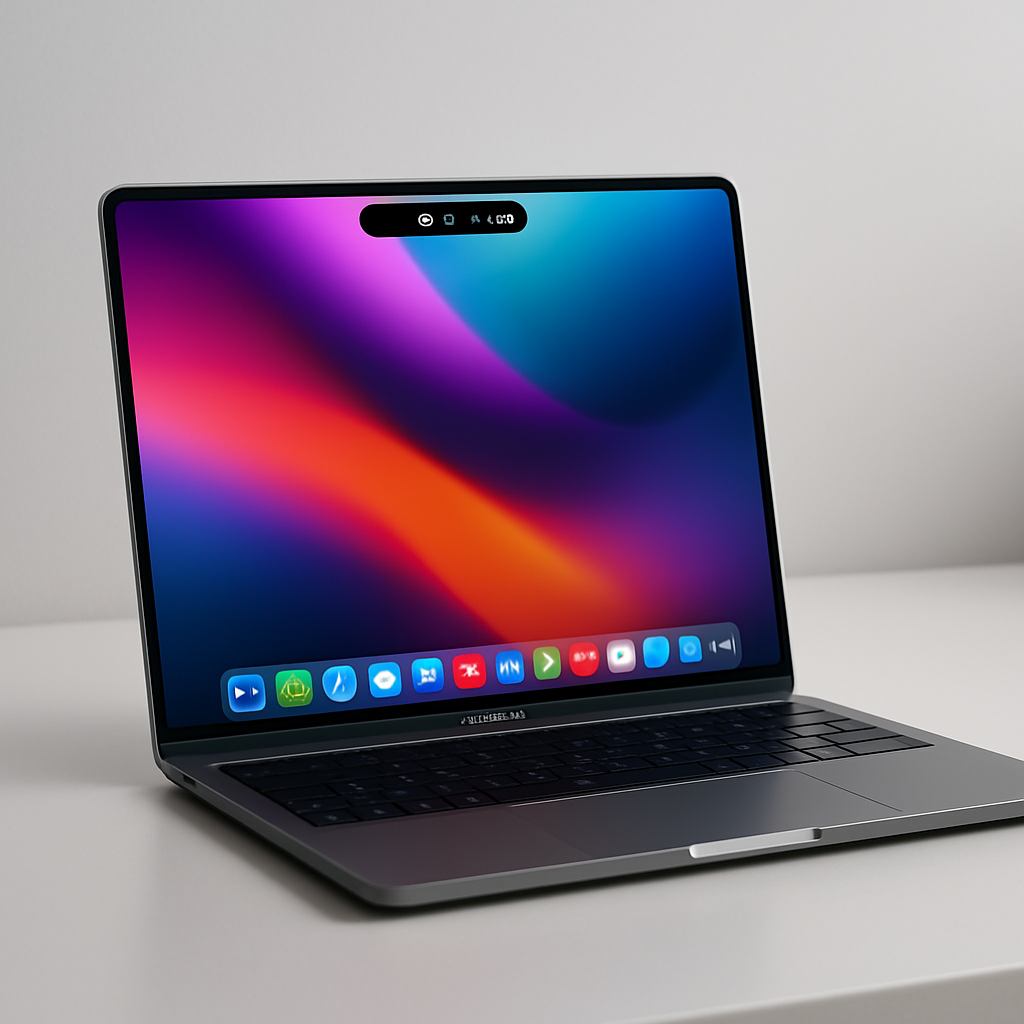
Apple plans to replace the current notch housing the FaceTime camera with a hole-punch cutout, accompanied by the introduction of the Dynamic Island feature. Similar to its implementation on the iPhone, the Dynamic Island on the MacBook Pro will mask the camera cutout and display software interface elements such as Live Activities and notifications. Additionally, the new design is expected to be thinner than previous models, although specifics regarding port configurations remain unclear.
Processor Updates
Contrary to earlier expectations of the M6 Pro and M6 Max chips powering the new MacBook Pro models, recent reports suggest that Apple may opt for the M5 Pro and M5 Max chips instead. This decision could be influenced by the company’s strategic focus on accelerating the development of the M7 lineup, which emphasizes on-device AI capabilities.
These anticipated changes signify a substantial evolution in Apple’s MacBook Pro series, reflecting the company’s commitment to integrating advanced display technologies and enhancing user interaction through touch capabilities. As the lines between different Apple product categories continue to blur, this overhaul could redefine user expectations and set new standards for professional laptops.