Apple’s Legal Battle with Jon Prosser Over iOS 26 Leaks: A Deep Dive into the Ongoing Discovery Process
In July 2025, Apple initiated legal proceedings against YouTuber Jon Prosser and his associate, Michael Ramacciotti, alleging the unauthorized acquisition and dissemination of trade secrets pertaining to the then-unreleased iOS 26. This lawsuit has since evolved into a complex legal battle, with recent developments highlighting challenges in the discovery process, particularly concerning Prosser’s compliance.
Background of the Case
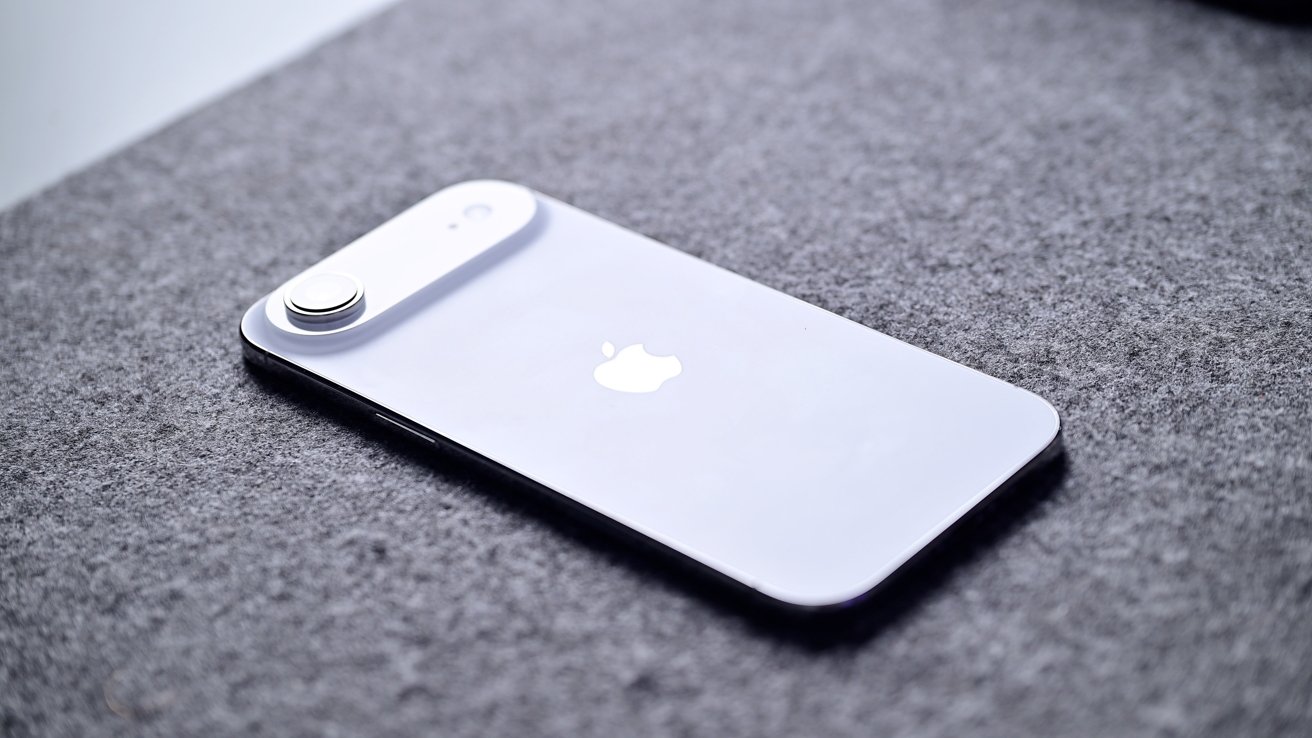
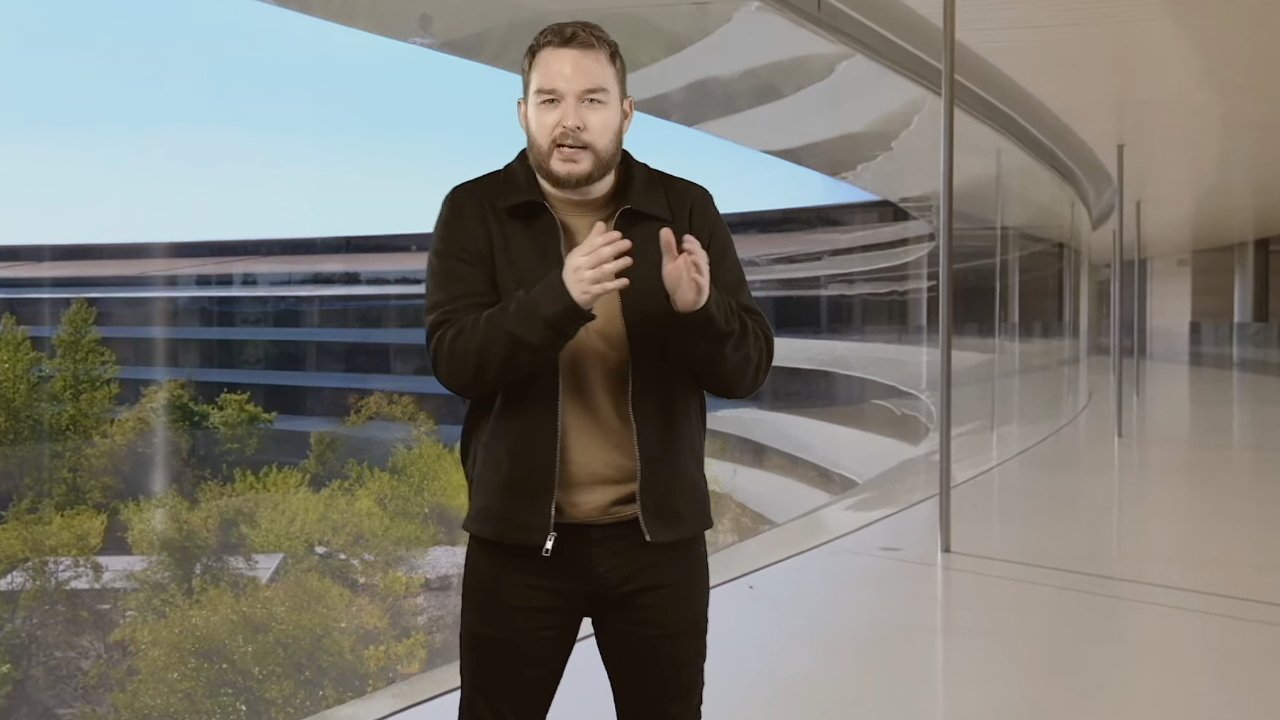
Jon Prosser, known for his YouTube channel Front Page Tech, gained attention in early 2025 by releasing videos that showcased re-creations of iOS 26’s design and features. These videos, published months before Apple’s official announcement, provided insights into the software’s Liquid Glass design and other interface elements. The accuracy of these leaks raised questions about their origin and legality.
Apple’s lawsuit alleges that Prosser and Ramacciotti accessed a development iPhone belonging to former Apple software engineer Ethan Lipnik. According to the complaint, Ramacciotti obtained Lipnik’s passcode and, during Lipnik’s absence, accessed the device. He then initiated a FaceTime call with Prosser, during which the unreleased iOS 26 was displayed. Prosser is said to have recorded this call, using the footage to create the content for his videos.
Legal Proceedings and Discovery Challenges
The legal journey has been marked by several key events:
– July 2025: Apple files the lawsuit against Prosser and Ramacciotti, citing misappropriation of trade secrets.
– October 2025: A default judgment is entered against Prosser due to his failure to respond to the complaint. Prosser later claims he has been in active communication with Apple, a statement Apple disputes.
– April 2026: A joint status report reveals that Prosser has not fully complied with discovery requests. While he has provided some materials, Apple asserts that he has failed to respond to certain requests and has not responded at all to others. This lack of full compliance has prompted Apple to consider seeking a court order to compel Prosser’s cooperation.
In contrast, Ramacciotti has shown a more cooperative stance. He has allowed Apple to forensically review an additional device, agreed to supplement his interrogatory responses, and offered to sit for a follow-up deposition once Apple completes its third-party discovery, including any deposition of Prosser. Informal discussions about a potential settlement between Apple and Ramacciotti have been ongoing since at least October 2025.
Implications and Broader Context
This case underscores the challenges tech companies face in protecting their intellectual property in an era where leaks can spread rapidly through digital platforms. For Apple, the lawsuit is not just about the specific leaks but also about setting a precedent to deter future unauthorized disclosures.
The outcome of this legal battle could have significant implications for content creators and journalists who report on tech leaks. It raises questions about the boundaries between investigative reporting and the unlawful dissemination of trade secrets.
Current Status and Future Outlook
As of April 2026, the case remains unresolved, with the discovery process ongoing. Apple’s intention to file a Motion for an Order to Show Cause indicates its determination to obtain full compliance from Prosser. The next status update is scheduled for June 10, 2026, which may provide further clarity on the direction of the case.
Conclusion
The lawsuit between Apple and Jon Prosser highlights the complexities of intellectual property rights in the digital age. As the case progresses, it will likely continue to spark discussions about the responsibilities of content creators, the rights of corporations, and the legal frameworks governing trade secrets and information dissemination.