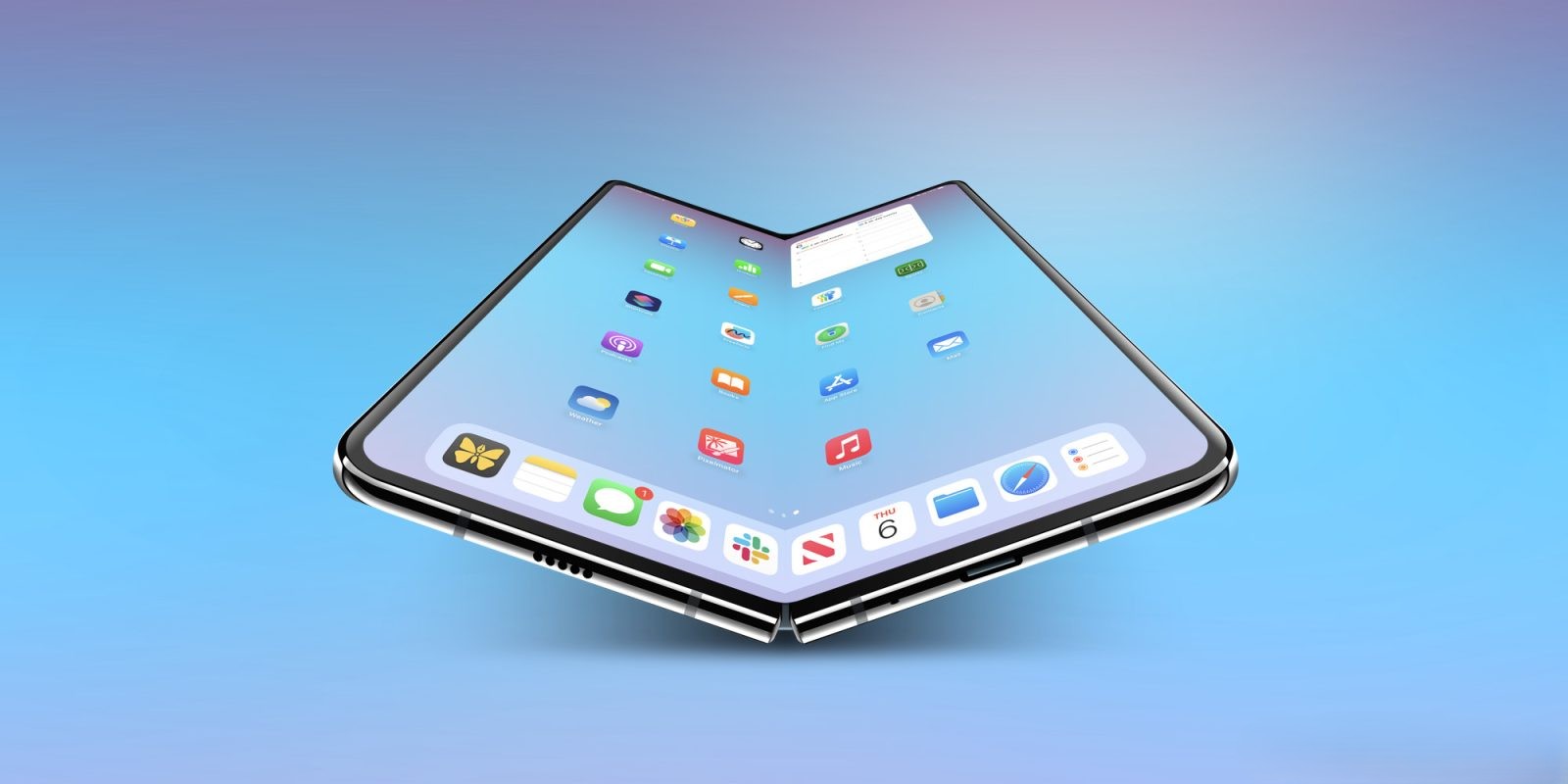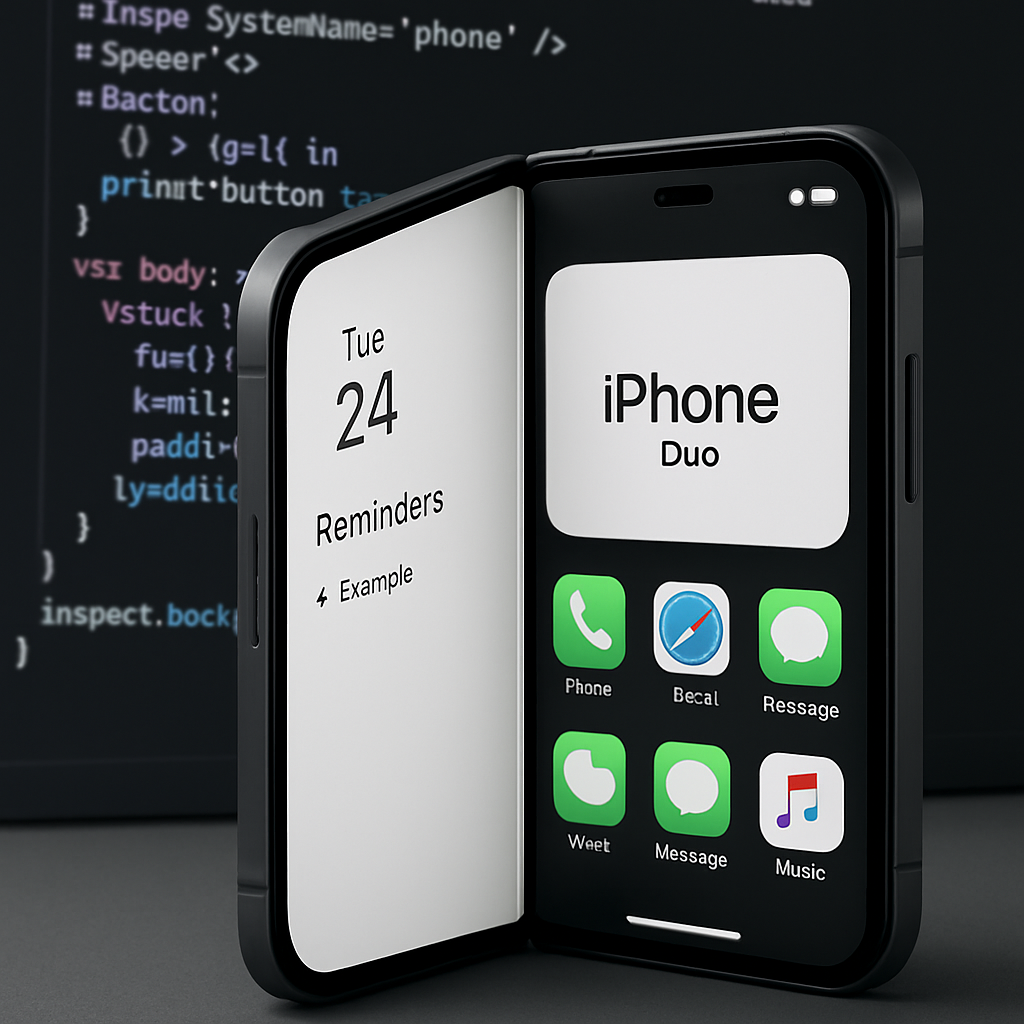
Apple’s upcoming iPhone Duo introduces a bold software shift: to unlock its full interface—including the new internal folding display and a redesigned tab bar—developers will need to build their apps with at least iOS 27.1. For even basic compatibility with Duo’s larger screen, apps must be compiled for iOS 27.0. This means many apps will show up with black bars or limited functionality unless quickly updated.
The Developer Push and Compatibility Gap
This requirement places pressure on app makers, who now must adapt to new APIs and UI elements specific to iPhone Duo. Those delays could hurt the device’s appeal, especially for third-party apps unprepared for the change. At launch, there’s a real chance many apps won’t take full advantage of Duo’s screen real estate or custom features.
An alternative path Apple might have taken was enabling resizable iPad apps on the Duo. While that could have granted better compatibility out of the box, it likely wouldn’t align with Apple’s design goals. According to current insight, using iPad binaries might feel less polished—possibly “janky”—and slower to adopt the Duo’s dedicated UX elements.
Potential Roadblocks and the Early Experience
One friction point is the mandatory support for Apple’s new screen technology, Liquid Glass. Compiling for iOS 27 not only means adopting Duo’s display features but also dropping the option to opt out of supporting Liquid Glass. Developers who haven’t started preparing could put off updates, leaving users stuck with apps that don’t display fully.
For productivity-focused use cases like split-screen multitasking, limited compatibility might be less of a dealbreaker—if Apple allows non-native apps to expand into the inner display. However, gaming is likely to suffer most. Players will notice when favorite titles don’t stretch across the entire fold, or leave portions of the screen unused.
Worst-case, Apple may wait until iOS 28 to introduce a compatibility mode that better supports iPad apps on the Duo. That could help smooth over the rocky start for apps that don’t immediately support the new hooks.
Despite the risk, there’s excitement: Apple’s UI for the Duo reportedly feels thoughtful and intentional, suggesting strong design work behind features like Liquid Glass and the tab bar. Enthusiasts are watching to see if Apple can motivate developers to move fast enough so the device delivers on its promise from day one.
Why This Matters:Apple’s strategy with iPhone Duo represents a trade-off. On one side, stricter requirements push developers to embrace hardware advances faster—if they want their apps to look right. On the other, launch day may feel bumpy for customers if many apps aren’t updated. iPhone Duo could set a new standard for foldable hardware, or it could end up constrained by its software ecosystem. Either way, how quickly third parties adopt these changes may decide whether this gamble pays off.