Apple is poised to deviate from its traditional iPhone release schedule this year, echoing the staggered launch approach last seen in 2020. Historically, Apple unveils its latest iPhone models in September, with all variants becoming available shortly thereafter. However, 2026 is set to break this pattern.
In 2020, the COVID-19 pandemic disrupted Apple’s supply chain and production timelines, leading to an October announcement. The company released the iPhone 12 and iPhone 12 Pro first, followed by the iPhone 12 mini and iPhone 12 Pro Max in November. This year, a similar phased rollout is anticipated.
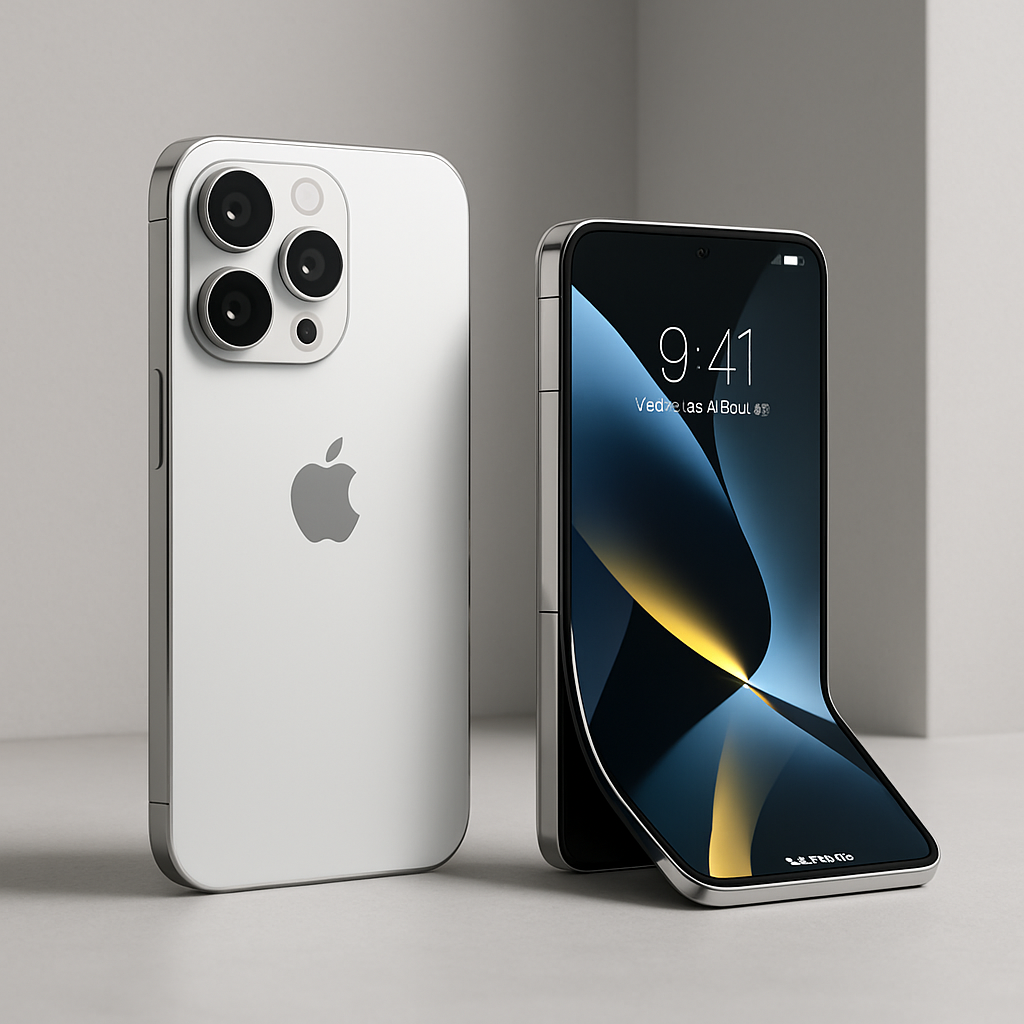
Reports suggest that Apple will introduce the iPhone 18 Pro and iPhone 18 Pro Max during its September event, with these models expected to ship soon after. The much-anticipated foldable iPhone, referred to as the iPhone Ultra, is also slated for a September unveiling. However, its availability might be delayed by several weeks, potentially due to the complexities associated with mass-producing a new foldable design.
Adding to the departure from tradition, the standard iPhone 18 and the updated iPhone Air 2 are rumored to be postponed until spring 2027. If these reports hold true, this fall’s lineup will consist of only three new models, marking the smallest autumn iPhone release since 2019.
Several factors could be influencing this strategic shift. The global memory crisis has impacted production capabilities, and the challenges inherent in introducing a foldable device may necessitate additional time to ensure quality and reliability. By staggering the releases, Apple can allocate resources more effectively and potentially generate sustained consumer interest over a more extended period.
This adjusted release strategy reflects Apple’s adaptability in response to external challenges and its commitment to delivering innovative products without compromising quality. Consumers can anticipate a dynamic rollout, with each phase bringing new features and advancements to the iPhone lineup.