Apple is getting ready to release its long-awaited smart home hub, called HomeView, with shipments expected to start in mid-November. The announcement comes less than a month after the device’s reveal during Apple’s “Welcome Home” event in mid-October. The HomeView will follow the upcoming Apple TV 4K and new HomePod minis, which are set to reach customers and stores on October 30.
Design, Versions & Hardware
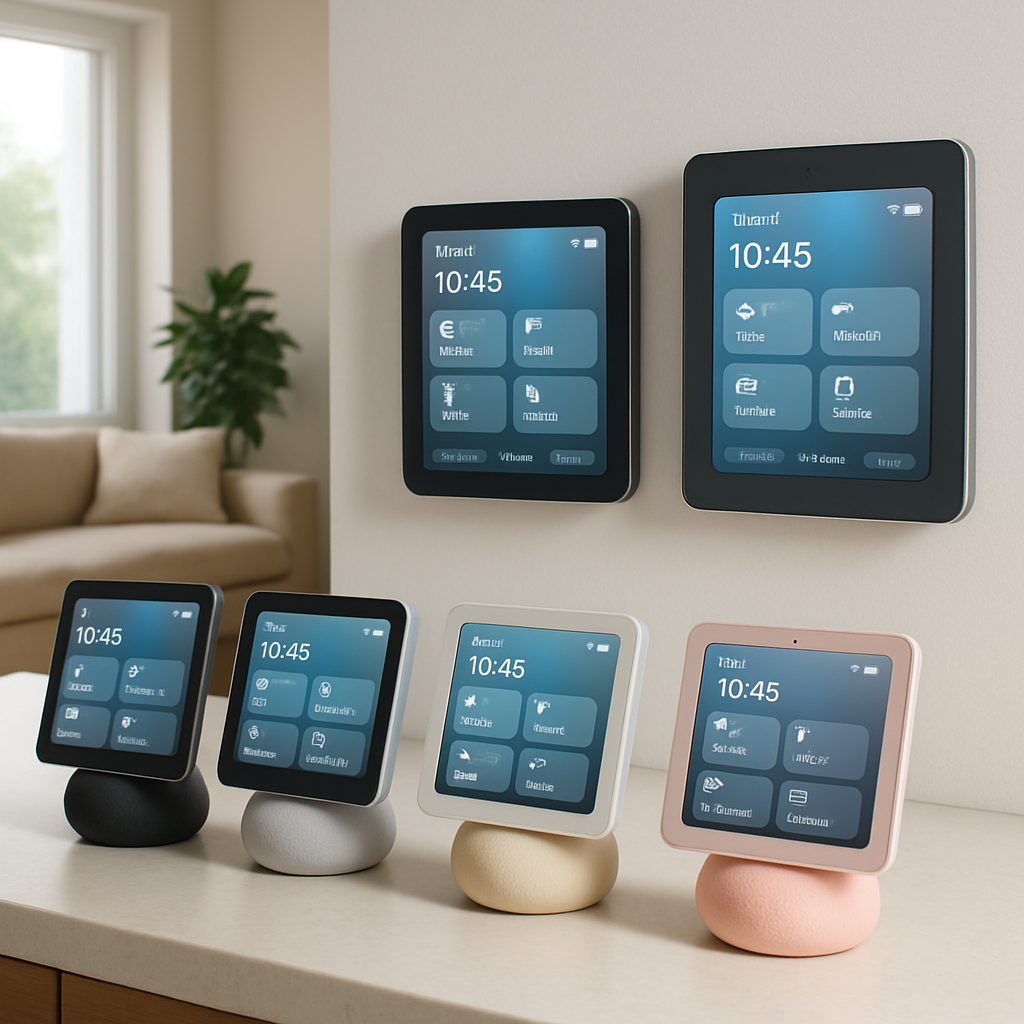
The HomeView is built to serve as the central Siri-driven command center for Apple smart homes. It’s built around a display powered by Apple’s A18 chip, and will come in two physical variants. The first model is designed for countertops, featuring a dome-style metal speaker base, and will be available in space gray, silver, starlight, and pink. The second version is wall-mounted, with a square flat base, offered only in space gray and silver.
Features & Limitations
The primary interface for HomeView is voice control, though its touchscreen can also accept direct input. It supports only a select number of Apple apps, and there will be no standalone App Store for downloading additional third-party applications. The device promises better sound quality than the new HomePod mini models.
The name “HomeView” surfaced through a trademark filing by a shell company, suggesting the “view” portion reflects the device’s display-oriented purpose and visual role in control alongside voice commands.
Timeline & Context
The new HomeView hub is expected to ship in mid-November, roughly a month after the unveiling event scheduled for October 13. This places its release shortly after the new Apple TV 4K and HomePod mini debuts at the end of October.
This product extends Apple’s push deeper into smart home hardware, building out its ecosystem with devices that center voice and display interaction. The drive toward a more interconnected home aligns with recent updates and new models across Apple’s Home and Siri product lines.
While HomeView’s sleek design, color options, and improved audio are promising, its restricted app support and absence of an App Store suggest limitations for customization and third-party integrations. For people already invested in Apple’s Home ecosystem and seeking better voice and hardware control, HomeView could be compelling. But for users wanting open platforms or broader app selections, it may fall short. What to watch next: pricing details, real-world audio quality, and updates to its software, including any shift toward allowing more apps or richer integrations.