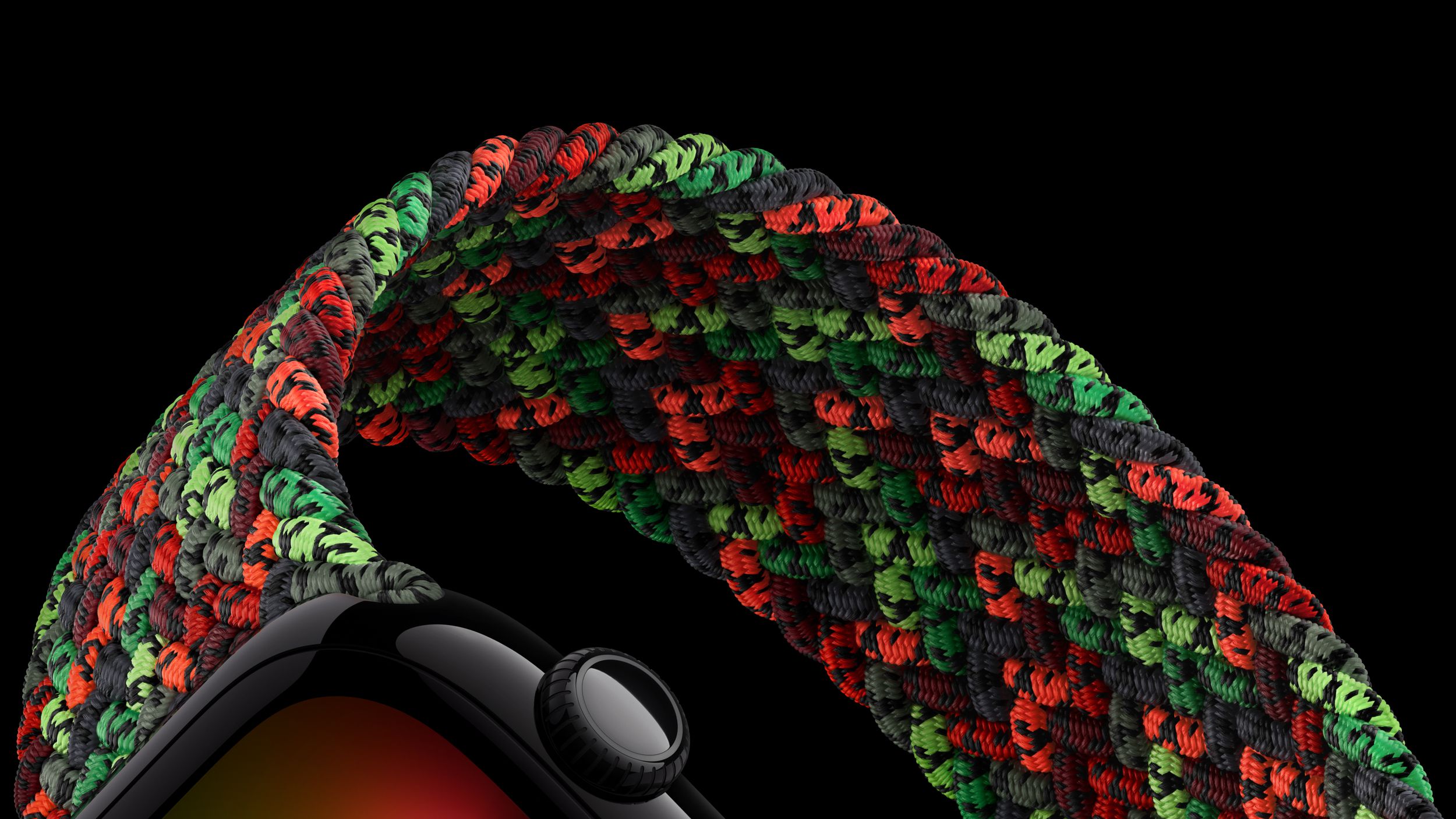
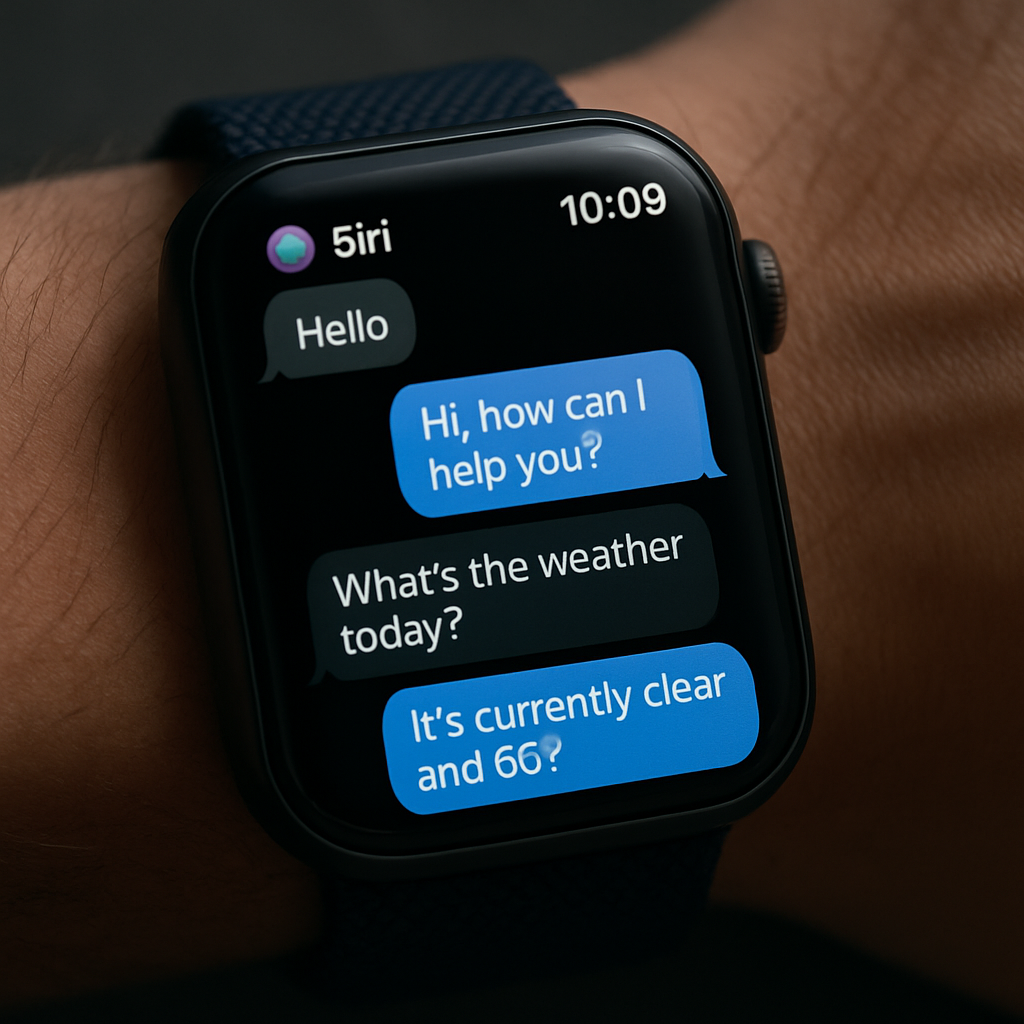
Today Apple unveiled major updates to its Health app, introducing two features designed to give users a clearer picture of their overall health. The revamped app includes a “Health Age” metric that compares your physical data to your actual age, and a new “Readiness Score” powered by Apple Intelligence. These arrive alongside the Series 12 and Ultra 4 watches.
Health Age & Longevity Tracking
The Health Age feature determines how your health metrics stack up against norms for your age group. It pulls in data like VO₂ max, sleep quality, and even blood biomarker lab results. If your numbers suggest better cardiovascular fitness, strong sleep, and healthy lab tests, your Health Age could appear younger than your actual age.
To help you build that picture, Apple is also launching a Longevity tab. This new section aggregates data from your iPhone and Watch—covering sleep, movement, heart health, and more—to give a fuller view of well-being. If you want lab-based insights, a partnership with Quest Diagnostics offers access to a set of 50 blood biomarkers for about US$119.
Insights & Readiness: Smarter, More Actionable Health Feedback
The updated Health app doesn’t just collect numbers—it uses Apple Intelligence to interpret them. The Insights tab highlights time-sensitive trends and suggests personalized improvements. For example, it might recommend adding interval training to a morning jog to boost cardiovascular health.
Readiness Score aims to tell you how prepared your body currently is—whether you’re ready for a big workout or might do better with rest. The app also adds movement assessments to adapt to various life stages or recovery from injury. Interactive coaching guidance—videos showing proper movement—is built in to support form and performance.
These features begin rolling out later this year in U.S. English.
Why It’s Important
Apple’s push toward predictive and preventive health tools signals a shift. Instead of passively tracking steps or sleep, the company wants to help users make sense of health data and act on it. The addition of lab biomarkers and multi-metric assessments puts it closer to personalized health platforms, blurring the line between wearable tech and wellness diagnostics.
From an industry perspective, this could pressure competitors to advance beyond fitness tracking into readiness and age-based health diagnostics. For users, it means more meaningful feedback—but also more personal data in the mix. How Apple handles data privacy, transparency in how Health Age is calculated, and the effectiveness of the guidance will be key to whether users trust and adopt these new tools.