Apple’s iPhone Ultra to Feature Touch ID: A Strategic Shift in Authentication
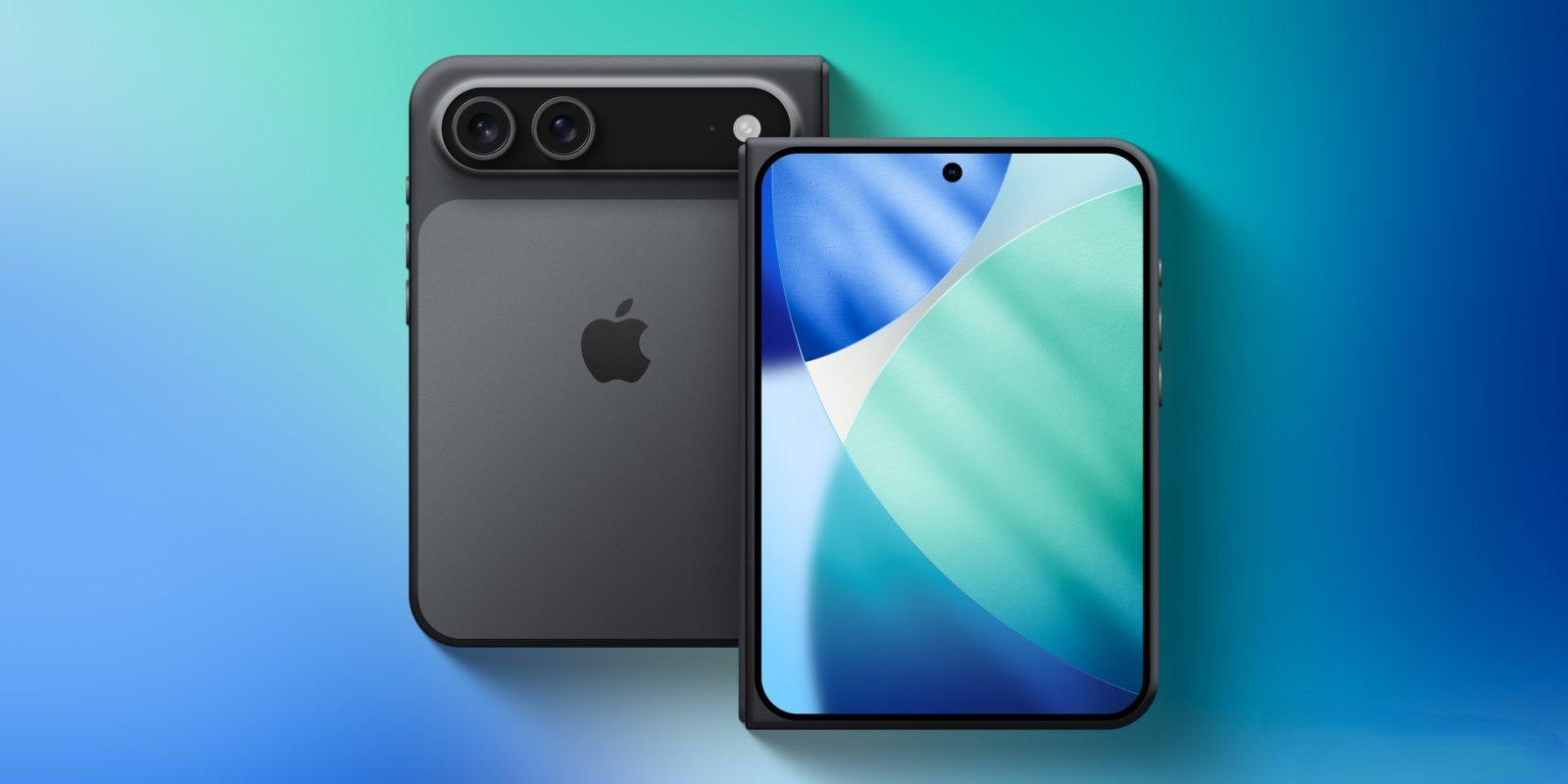
Apple is set to unveil its first foldable iPhone, the iPhone Ultra, this fall. This innovative device will reintroduce Touch ID, marking a departure from the Face ID system that has been standard in recent models. The decision to revert to Touch ID is primarily driven by the unique design and structural constraints of the iPhone Ultra.
Design and Structural Constraints
The iPhone Ultra boasts a dual-display setup: a smaller external screen and a larger internal display that unfolds, offering users a tablet-like experience. When unfolded, the device measures between 4.5 to 4.8mm in thickness, making it even slimmer than the iPhone Air, which is 5.6mm thick. This ultra-thin profile presents significant challenges in accommodating the complex components required for Face ID.
Challenges with Face ID Integration
Integrating Face ID into the iPhone Ultra would necessitate two separate sets of Face ID components—one for each display. Given the device’s slim design, allocating space for these additional components would be impractical. Moreover, incorporating dual Face ID systems could compromise other essential features, such as battery capacity and the inclusion of a vapor chamber for cooling.
The Return of Touch ID
To address these challenges, Apple has opted to integrate Touch ID into the iPhone Ultra’s power button, similar to the implementation in the iPad Air and iPad mini. This approach allows for efficient use of internal space without sacrificing the device’s sleek design. While some users may view this as a step back, the decision underscores Apple’s commitment to balancing innovation with practicality.
User Considerations
The reintroduction of Touch ID may influence user preferences, especially for those accustomed to the convenience of Face ID. However, the iPhone Ultra’s groundbreaking design and features are expected to offer a compelling experience that outweighs this change in authentication method.
Conclusion
Apple’s strategic decision to incorporate Touch ID in the iPhone Ultra highlights the company’s adaptability in the face of design challenges. By prioritizing a seamless user experience and maintaining the device’s ultra-thin profile, Apple continues to push the boundaries of smartphone innovation.