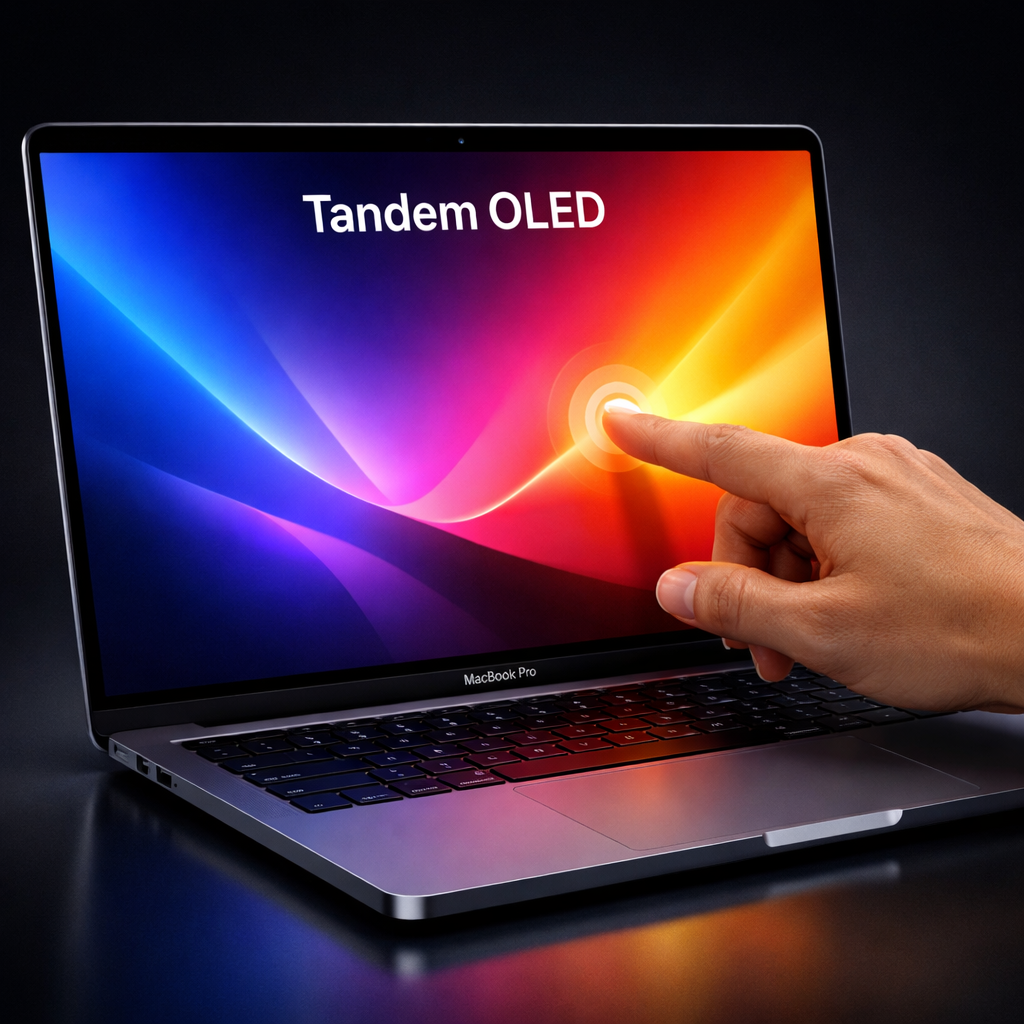
Apple has officially delivered on long-standing rumors: the newest MacBook Pro comes with a touchscreen for the first time. Revealed during its recent hardware event, the 2026 MacBook Pro with the PROLED XDR Display marks a major shift in Apple’s laptop strategy. It blends a tandem OLED touch display with other pro-grade upgrades across design, performance, and AI—aimed squarely at creators and professionals demanding more than static visuals.
What Makes the PROLED XDR MacBook Pro Different
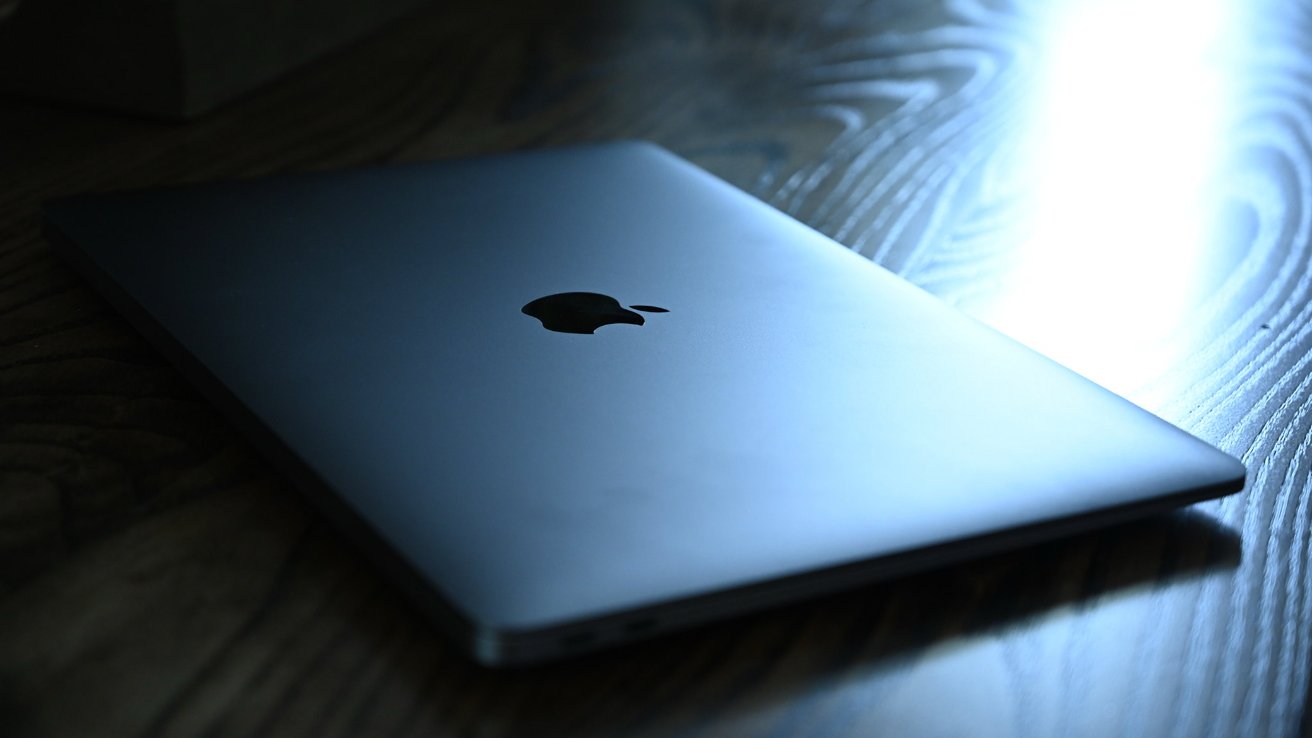
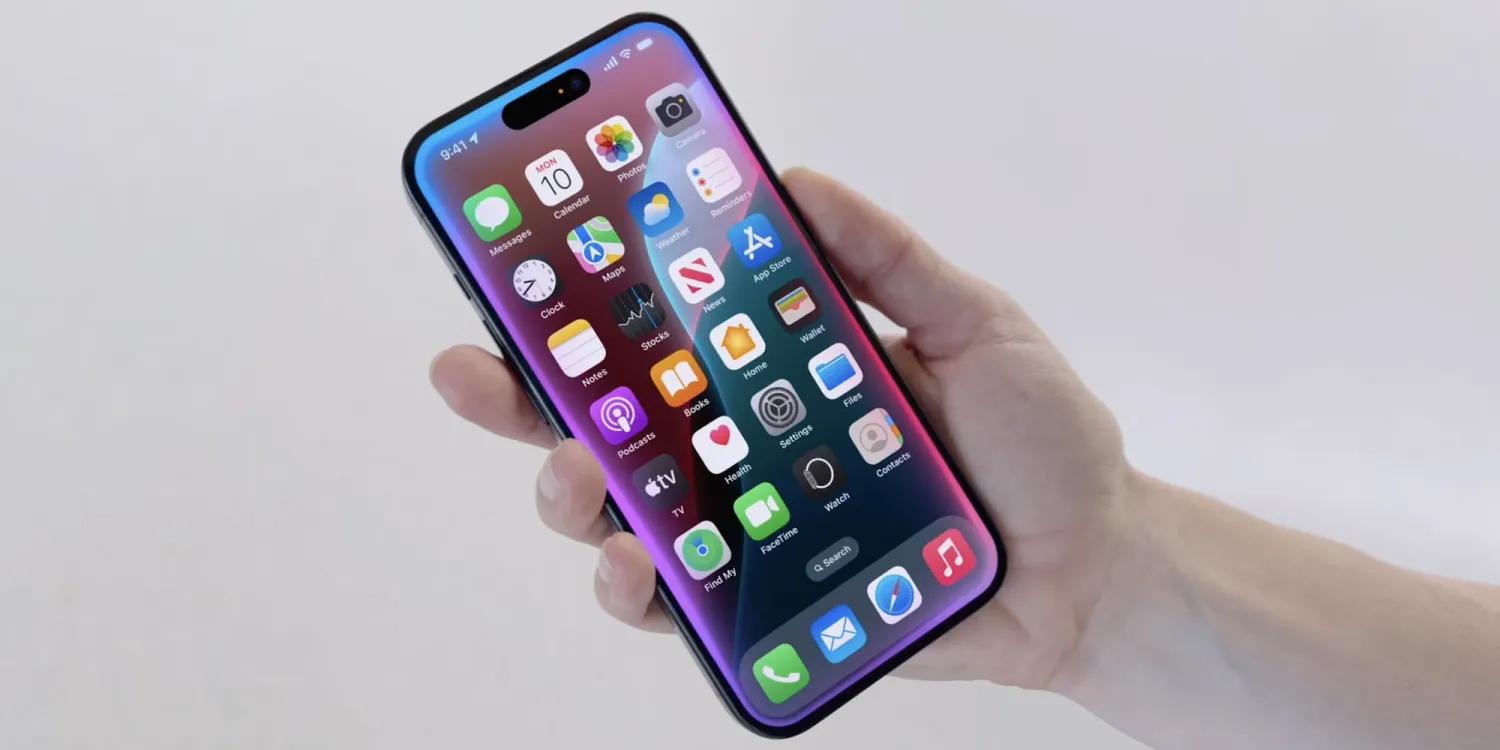
This isn’t just an incremental upgrade. The PROLED XDR MacBook Pro introduces a tandem OLED touchscreen display with Apple’s PROLED XDR branding. Both the 14.2-inch and 16.3-inch models feature OLED panels capable of hitting peak brightness of up to 2,000 nits in HDR content. SDR brightness across the open display is just as impressive. These models support multi-touch gestures and show design tweaks like slimmer borders, a redesigned thermal system, and an enhanced audio setup. Models also include features like Dynamic Island and a lighter body, with the 14-inch model dropping to around 3 pounds. All this while maintaining full pro-level connectivity and external display support.
Performance, Battery & AI Boosts
The new PROLED lineup uses either the M5 Pro or M5 Max chips, bringing serious horsepower for demanding workflows. For those primarily seeking raw performance, there’s also a new 14-inch MacBook Pro powered by the M6 chip. The M6 model delivers up to 30% faster graphics, 25% faster AI-related tasks, and continues to push forward Apple’s on-device intelligence tools.
Apple says both peaks and sustained battery life have been improved: these new Macs can last up to 24 hours when streaming video or doing typical work, depending on model and usage. Display variants and chip selections affect weight, efficiency, and overall thermals.
Models & Pricing Details
The PROLED XDR MacBook Pros start at $2,899 in the U.S. (for the 14-inch M5 Pro version) and go up significantly with upgrades to M5 Max and larger sizes. These models are available to order now and are expected to begin shipping on November 6, 2026.
Additional new gear released this week: an OLED version of the iPad mini 8 and the refreshed 14-inch MacBook Pro with the M6 chip. These follow on the heels of a string of upgrades to Apple’s pro lineup—including improved AI tools in macOS 27 and fresh display hardware across the board.
Apple once resisted the idea of touchscreens in laptops, pointing to concerns over durability, smudges, and whether macOS could adapt. This rollout changes that narrative: macOS Golden Gate and related software appear ready to embrace touch where it enhances workflows—bringing zoom-friendly UI elements, gesture spacing, and hybrid touch-mouse control that keeps desktop layouts intact.
For long-time MacBook users, this marks a fundamental turning point. The PROLED XDR MacBook Pro isn’t just a spec bump—it’s Apple’s first true step toward merging Mac’s powerhouse performance with interface flexibility that touch enables. Expect to see developers adapt more of their software for touch, and for Apple to refine how macOS handles hybrid input. This could reshape how creatives, designers, and pro users work—especially those holding off because of Apple’s previous stance on touchscreen laptops.