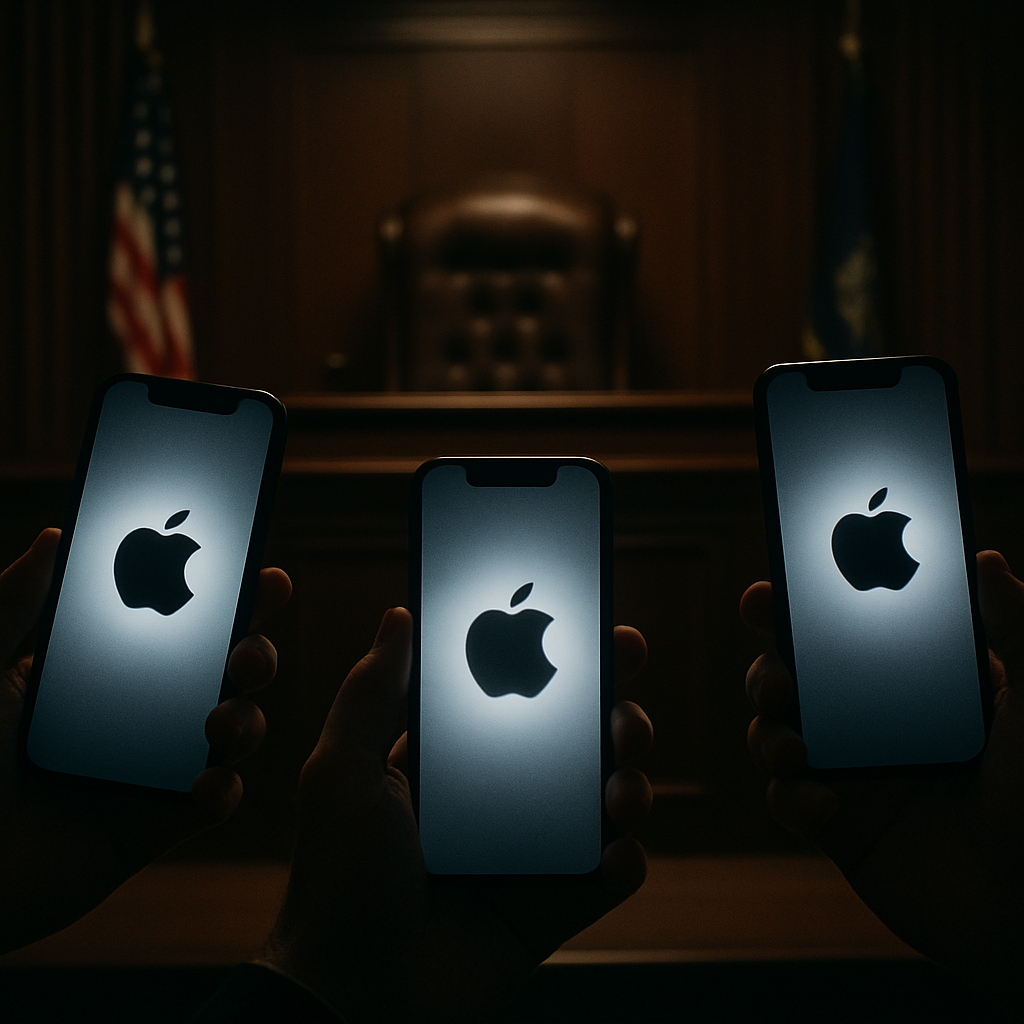
The Justice Department’s ongoing negotiations with Apple over its 2024 antitrust lawsuit are raising concerns among developers that any settlement could be too modest to curb alleged harmful practices. Major players like PayPal and Epic Games fear that changes to Apple’s ecosystem won’t be substantial enough to address long-standing issues with competition.
Background: What’s at Stake in the Lawsuit
The lawsuit, filed in 2024, accuses Apple of monopolizing the U.S. smartphone market at the expense of consumers, developers, and competitors. Apple has maintained it will defend itself vigorously. Meanwhile, legal disputes continue— including recent disagreements over Apple’s internal document access during discovery proceedings.
Developers Seek Stronger Terms on Interoperability
The DOJ has reportedly focused settlement talks around improving iPhone interoperability—making it easier for the iPhone to interface with non-Apple devices. In these discussions, the department has asked developers for suggestions on how Apple could make its products more compatible with competitors’. But many developers and antitrust experts worry the outcome might just be symbolic, with only light stipulations imposed.
Key Voices and Tension Points
PayPal and Epic Games have been named among those pushing back, stressing that a weak settlement would fail to tackle systemic barriers within Apple’s tightly controlled ecosystem. While Apple has made some adjustments since the lawsuit—such as enhancing messaging interoperability between iPhone and Android—more profound changes remain unlikely without major restructuring.
Delay Factors and Moving Pieces
Some insiders expected a resolution sooner, but the DOJ’s leadership transition is cited as a potential factor slowing progress. Adam Candeub, the nominee to head the DOJ’s antitrust division, still awaits Senate confirmation, which could be contributing to the delay in finalizing settlement terms.
A spokesperson for the DOJ declined to go into detail but emphasized the department’s goal of ensuring affordability and fairness for all Americans. Apple and the other concerned developers have also declined to comment publicly on the matter.
Bottom line: The outcome of these talks could reshape how the iPhone plays in a competitive tech ecosystem—if the settlement is strong enough. Developers are calling for terms that not only prevent restrictive policies but also enforce more openness across platforms.
Analytical angle: If the eventual settlement proves weak—lacking strict enforceability or scope—the DOJ risks setting a precedent where tech giants pay lip service to antitrust demands without making meaningful changes. For this to matter, observers should watch for specific requirements: whether Apple must fully open APIs to competitors, allow third-party app stores, or allow side-loading. Those elements will make all the difference in restoring competitive balance.