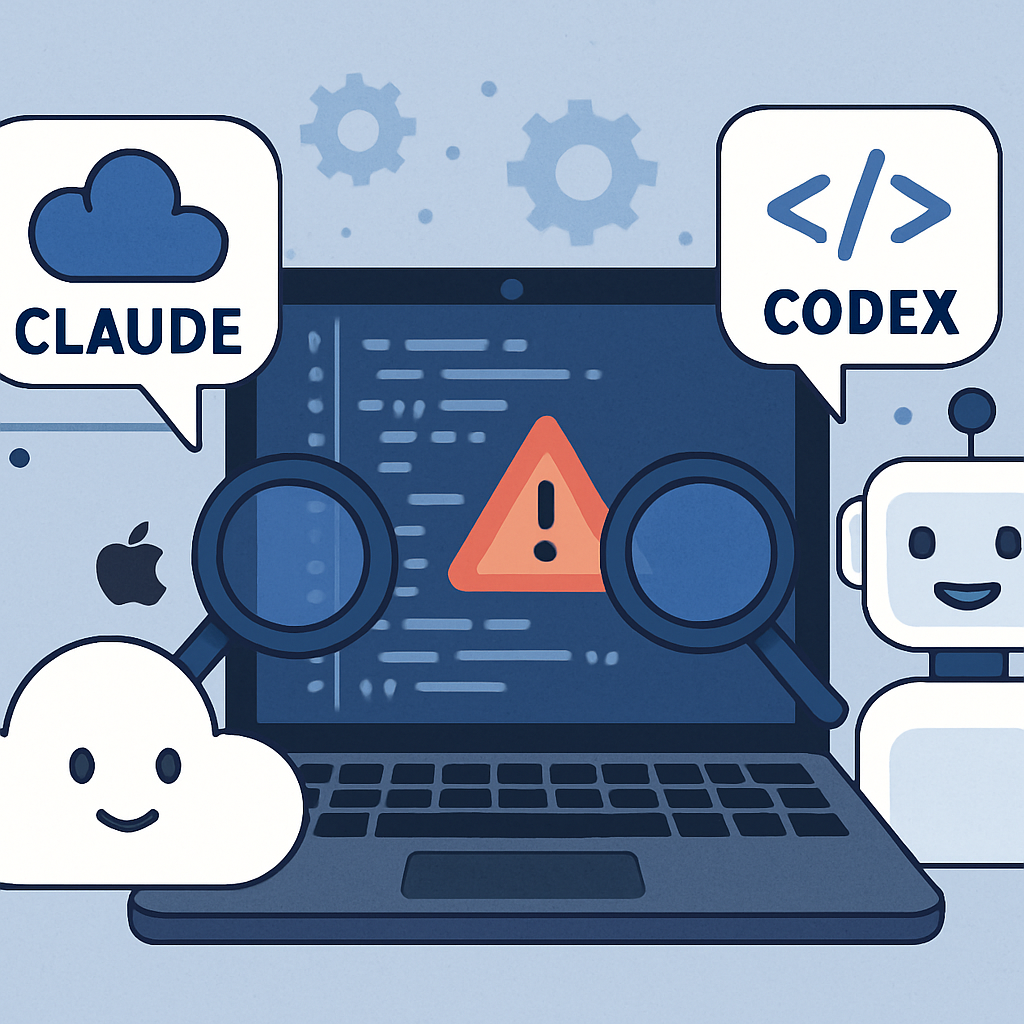
Apple’s recent software updates, including macOS Tahoe 26.6, iOS 26.6, and iPadOS 26.6, have addressed a significant number of security vulnerabilities. Notably, many of these fixes credit AI tools such as Claude and Codex, marking an unprecedented involvement of artificial intelligence in identifying security issues.
In response to the surge of AI-generated vulnerability reports, Apple has implemented a cap on the number of open reports a researcher can submit simultaneously. Once this limit is reached, a 30-day cooldown period is enforced before additional submissions are accepted. Apple acknowledged this adjustment, citing the increasing volume of AI-generated security submissions across the industry.
These developments align with Apple’s October 2025 announcement of a major evolution in its Security Bounty program. The program’s top reward was increased to $2 million, with potential bonuses elevating payouts beyond $5 million. Additionally, Apple introduced ‘Target Flags,’ a system designed to allow researchers to objectively demonstrate exploitability. This system enables programmatic validation of submissions, facilitating faster processing and payouts, even before patches are released.
In December 2025, Apple made further adjustments by reducing bounty amounts for certain vulnerabilities. For instance, the reward for full TCC (Transparency, Consent, and Control) bypasses was decreased from $30,500 to $5,000, and individual TCC category rewards were lowered from the $5,000–$10,000 range to $1,000. MacOS sandbox escape rewards were also halved to $5,000. These changes were verified against Apple’s official bounty categories page.
These strategic modifications suggest that Apple has been proactively preparing for the influx of AI-generated vulnerability reports. By implementing systems like Target Flags and adjusting bounty structures, Apple aims to efficiently manage and validate the growing number of submissions, ensuring that critical security issues are addressed promptly.
As AI tools become more prevalent in security research, companies like Apple must adapt their vulnerability management processes. Balancing the benefits of rapid, AI-assisted vulnerability detection with the need for thorough validation and appropriate compensation is crucial. Apple’s recent changes reflect an effort to navigate this evolving landscape, highlighting the importance of continuous adaptation in cybersecurity practices.