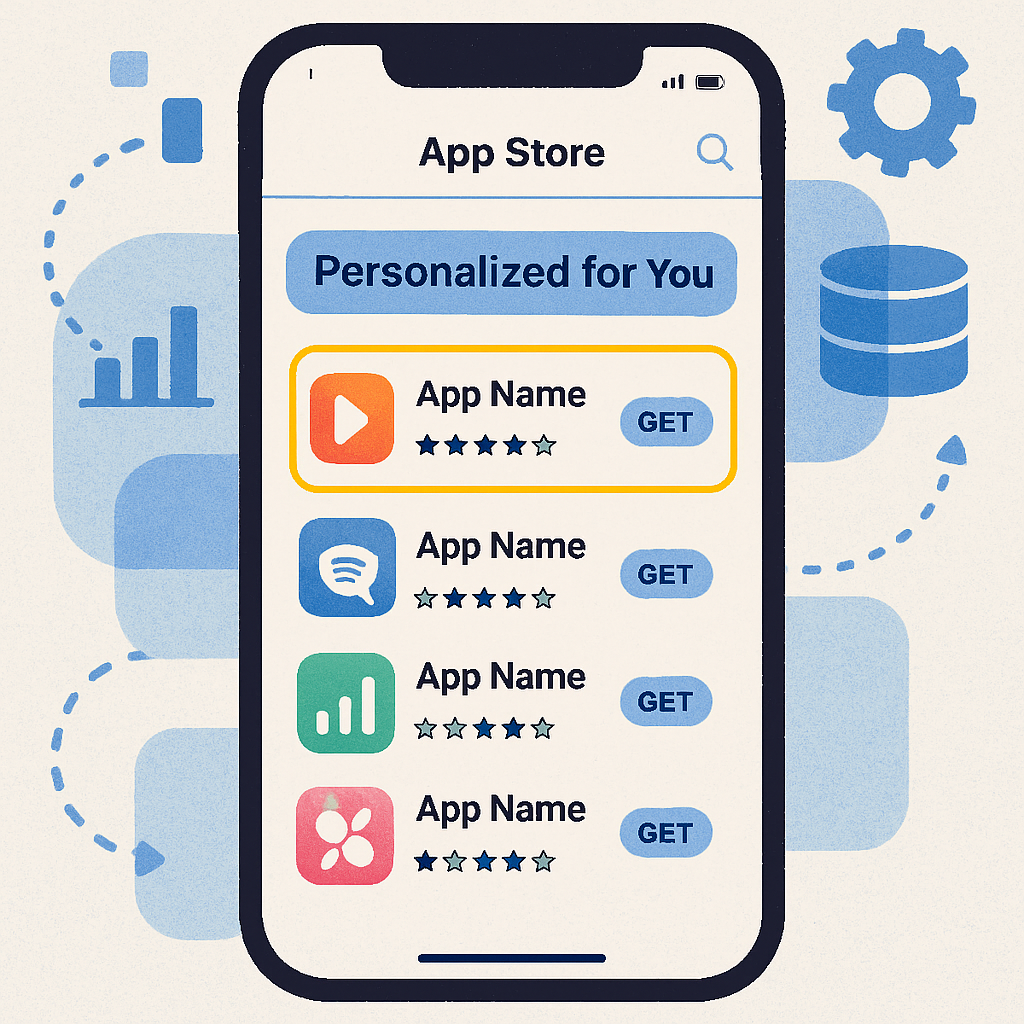
Apple has recently introduced Personalized Collections in the App Store, aiming to provide users with app recommendations tailored to their individual interests and behaviors. This feature is designed to enhance app discovery by presenting suggestions that align closely with each user’s preferences.
To facilitate these personalized recommendations, Apple collects extensive analytics data from user interactions within the App Store. This data includes detailed records of every tap and search query made by users. Notably, there is no option available for users to disable this data collection, indicating that all interactions are continuously monitored to refine the recommendation system.
Security researchers have highlighted the depth of this data collection. For instance, when a user searches for a term like “Tim Cook,” the App Store records not only the search term but also the precise timing and manner of the interaction. This comprehensive data collection allows Apple to analyze user behavior meticulously, including aspects such as typing speed and navigation patterns within the app.
While the intention behind this data collection is to improve user experience by offering more relevant app suggestions, it raises significant privacy considerations. Users may be concerned about the extent of monitoring and the lack of control over their data. The absence of an opt-out option means that all users are subject to this level of data collection, regardless of their personal privacy preferences.
Apple’s approach to data collection in the App Store reflects a broader industry trend where companies gather extensive user data to enhance personalization. However, this practice often comes at the cost of user privacy. The balance between providing personalized experiences and respecting user privacy is delicate and requires careful consideration.
In light of these developments, it is crucial for users to be aware of the data collection practices employed by the platforms they use. Transparency from companies regarding what data is collected and how it is used is essential. Additionally, providing users with options to control their data can help build trust and ensure that personalization efforts do not infringe upon individual privacy rights.
As Apple continues to evolve its services, it will be important to monitor how the company addresses these privacy concerns. Offering users more control over their data and ensuring transparency in data collection practices can help maintain the trust and loyalty of its user base.