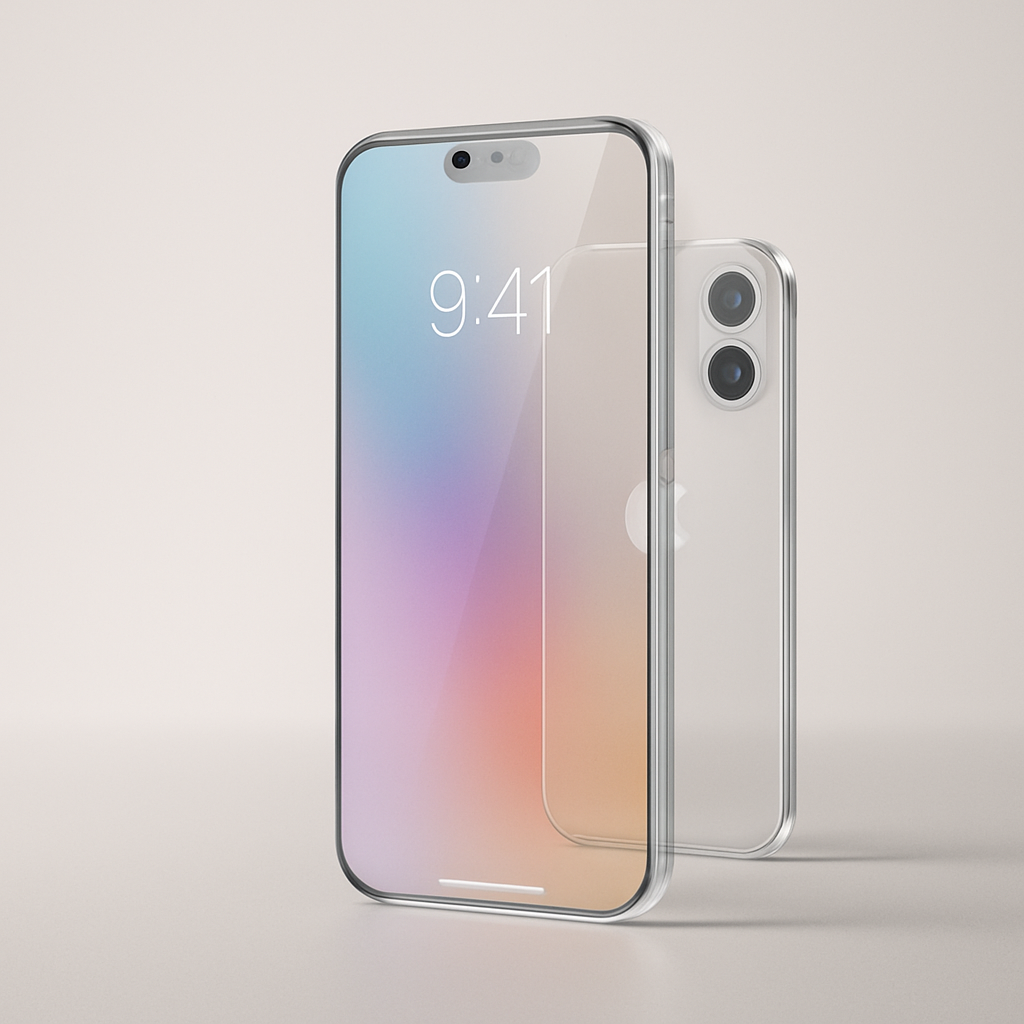
Apple’s ambitious plan to launch an all-glass iPhone in 2027, coinciding with the device’s 20th anniversary, appears to have been shelved. This development comes from a recent report by Jefferies analyst Edison Lee, who downgraded Apple’s stock rating to “Underperform,” citing the project’s cancellation as a significant factor.
Lee’s analysis suggests that the all-glass iPhone, which had been in development since at least 2025, faced insurmountable production challenges. Supply chain checks indicate that low manufacturing yields led to the project’s termination. This decision is seen as a setback for Apple’s strategy to introduce higher-priced iPhones, especially in light of escalating memory costs.
The envisioned all-glass design was expected to command a retail price of approximately $2,060, surpassing the average price of previous models. The plan also included extending the all-glass features to future iPhone Pro and Pro Max models, aiming to elevate their average selling price and profit margins. Lee emphasized that this move was intended as a defensive strategy against rising component costs.
In addition to the project’s cancellation, Lee highlighted concerns over Apple’s artificial intelligence strategy and increasing component expenses for the upcoming iPhone 19 Pro as reasons for the stock rating downgrade.
It’s currently unclear whether Apple has abandoned the entire redesign or only specific elements of it. For instance, the complete removal of the Dynamic Island cutout, a key feature in recent iPhone models, may not be feasible by next year, potentially delaying the realization of a true all-glass display. However, other design innovations, such as a quad-curved design, might still be in the pipeline.
As Apple approaches the iPhone’s 20th anniversary, the cancellation of the all-glass model raises questions about the company’s future design direction. While the all-glass concept promised a significant aesthetic evolution, its practical challenges underscore the complexities of balancing innovation with manufacturability. Observers will be keen to see how Apple navigates these hurdles and what alternative innovations it may introduce to commemorate this milestone.