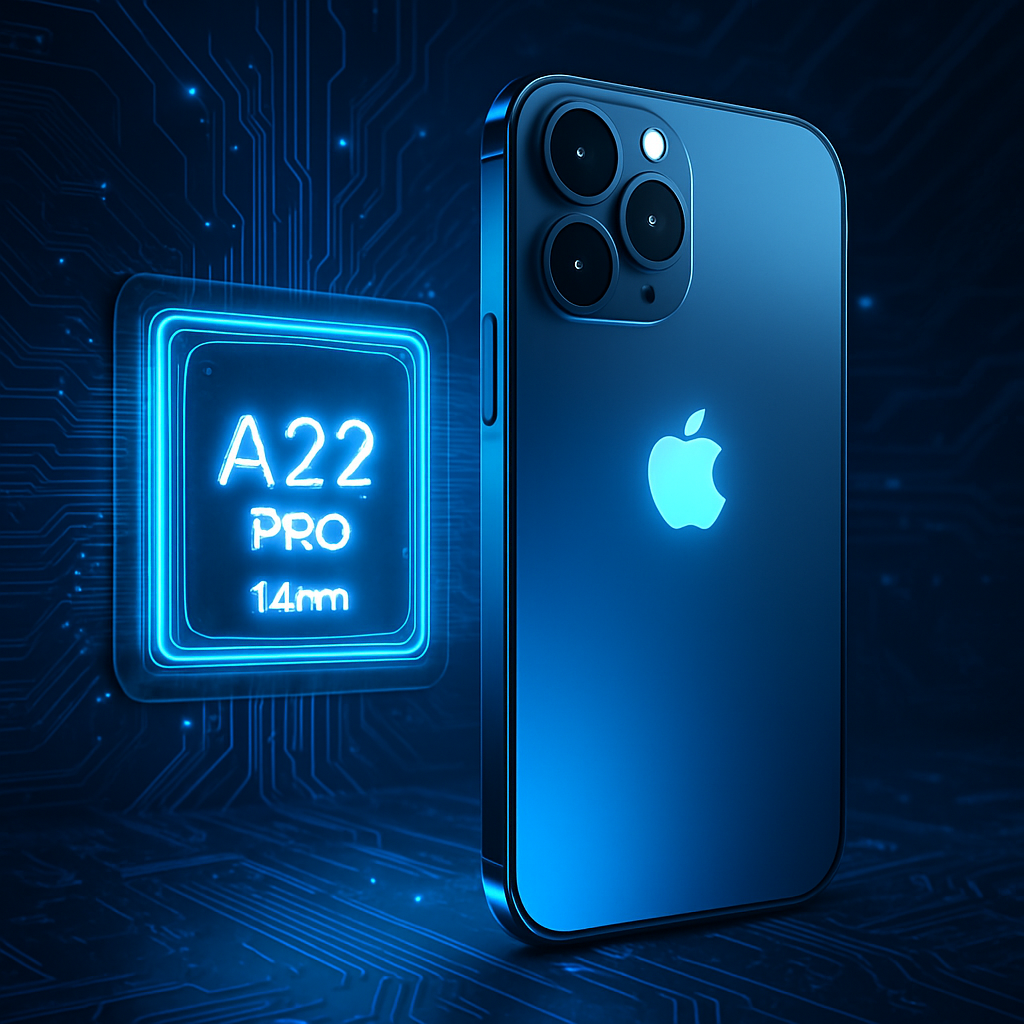
Apple is set to advance its iPhone lineup by introducing 1.4-nanometer A22 Pro chips in its high-end 2028 models. This move marks a significant progression from the current 3-nanometer process used in the iPhone 17 series and the upcoming 2-nanometer chips slated for the iPhone 18 Pro models expected in September 2026.
TSMC, Apple’s longstanding chip supplier, will manufacture the majority of these A22 Pro chips. The 1.4nm process, known as the A14 node, is anticipated to deliver up to 15% better performance compared to the 2nm N2 node, or alternatively, maintain the same performance levels while achieving 30% power savings. This advancement underscores TSMC’s commitment to pushing the boundaries of semiconductor technology.
However, the transition to smaller node sizes presents challenges, including increased production costs and limited manufacturing capacity due to the complexities involved. The high demand for TSMC’s advanced chips from AI server manufacturers like NVIDIA has already led to supply constraints for consumer devices. Notably, during Apple’s recent earnings call, CEO Tim Cook highlighted that iPhone 17 models faced supply issues due to insufficient availability of A19 and A19 Pro chips from TSMC.
In response to these challenges and as part of its strategy to diversify its chip supply chain, Apple is reportedly considering a partnership with Intel. Unlike previous collaborations where Apple utilized Intel-designed chips, this potential agreement would involve Intel manufacturing Apple-designed Arm-based chips. Intel is developing its 14A node for 1.4nm chips, with production expected to commence in 2028. This collaboration could see Intel producing non-Pro iPhone chips, thereby reducing Apple’s reliance on a single supplier and enhancing supply chain resilience.
Apple’s shift to 1.4nm A22 Pro chips in 2028 signifies a substantial leap in processing power and energy efficiency for future iPhone models. This advancement is poised to enhance user experiences through faster performance and longer battery life. However, the industry’s ability to meet the growing demand for these cutting-edge chips remains a critical factor. Apple’s potential partnership with Intel could play a pivotal role in mitigating supply constraints and ensuring the timely delivery of its next-generation devices.