Apple Prevails in EU Trademark Dispute Over Citrus-Shaped Logo
Apple has secured a significant victory in a European trademark dispute concerning a citrus-shaped logo used for computer accessories. The European Union Intellectual Property Office (EUIPO) ruled that the logo, employed by Chinese company Yichun Qinningmeng Electronics, closely resembles Apple’s iconic emblem when applied to computer-related products, potentially leading to consumer confusion.
Background of the Dispute
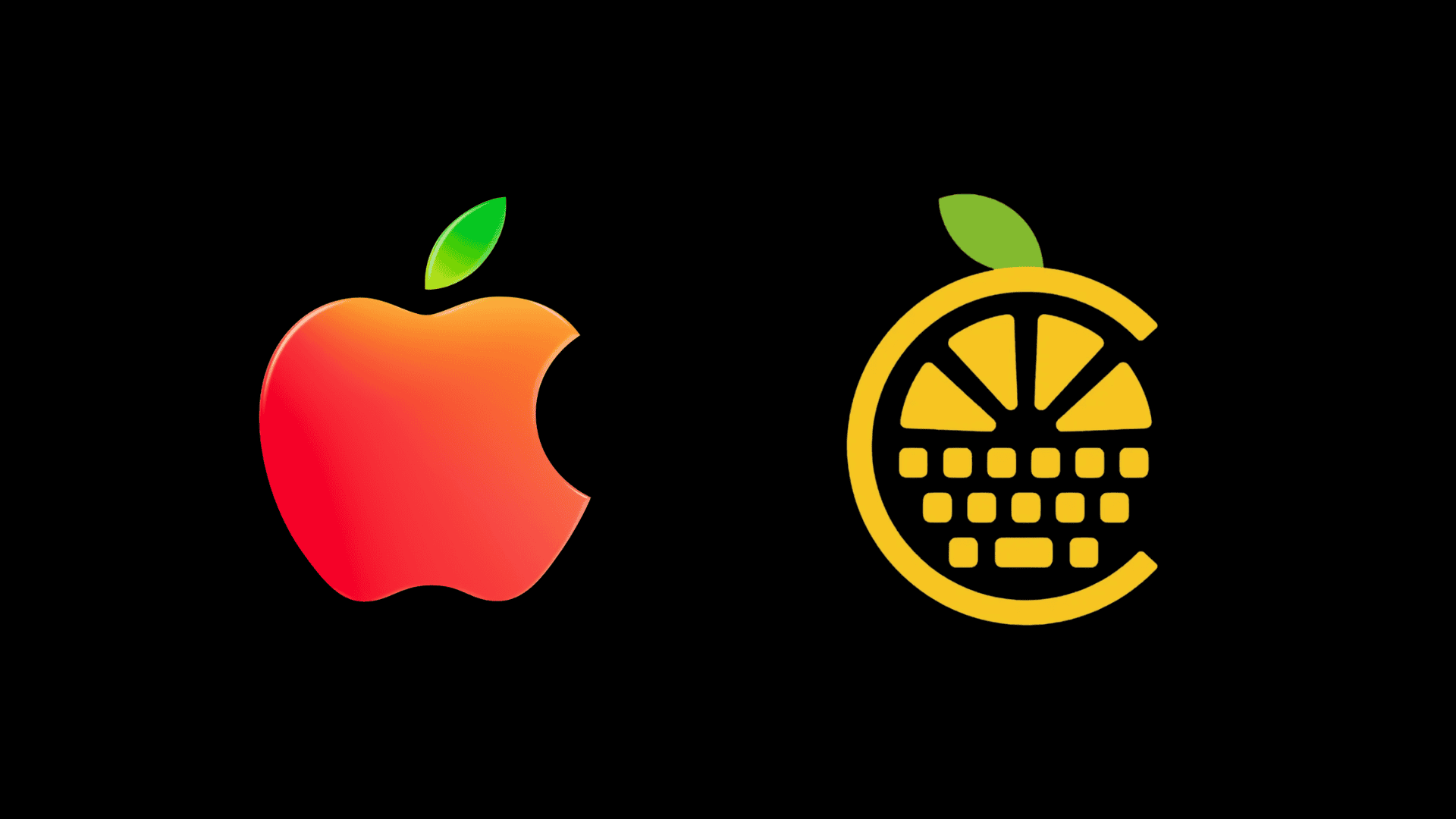
Yichun Qinningmeng Electronics sought to register a trademark in the EU for a logo featuring a circular fruit design with a detached leaf and a missing segment, covering products such as keyboards, computer accessories, and solar panels. Apple opposed this application, arguing that the logo’s design elements—particularly the detached leaf and missing segment—mirrored its own well-known apple logo, especially in the realm of computer accessories.
EUIPO’s Ruling
The EUIPO acknowledged that the contested logo bore a very low degree of visual similarity to Apple’s logo. However, it emphasized Apple’s strong reputation in the European market, stating that consumers might establish a mental link between the two logos when encountering the citrus-shaped design on computer-related products. This association could potentially lead to consumer confusion, thereby justifying the opposition to the trademark registration for these goods.
Conversely, the EUIPO determined that the use of the citrus-shaped logo on solar panels did not infringe upon Apple’s trademark rights. It reasoned that solar panels operate in a distinct commercial sector with different buyers, sales channels, and business purposes, making it unlikely that consumers would associate the logo with Apple in this context.
Implications and Apple’s Trademark Enforcement
This ruling underscores the importance of brand reputation in trademark disputes. Even with minimal visual similarity, a well-established brand like Apple can successfully argue against potential infringements based on the likelihood of consumer association.
Apple has a history of actively protecting its trademarks. The company has previously challenged various entities over logo similarities, including a pear-shaped logo used by the recipe app Prepear and a logo employed by a Norwegian political party. These actions highlight Apple’s commitment to safeguarding its brand identity and preventing potential dilution of its trademarks.
Next Steps for Yichun Qinningmeng Electronics
Yichun Qinningmeng Electronics has the option to appeal the EUIPO’s decision within two months. Until such an appeal is filed and adjudicated, the company is prohibited from proceeding with its trademark registration for keyboards and related computer products within the European Union.
Conclusion
Apple’s recent victory in the EU trademark dispute reinforces the significance of brand reputation and the potential for consumer confusion in trademark law. The case serves as a reminder for companies to carefully consider existing trademarks when developing logos and branding, particularly in markets where established brands have a strong presence.