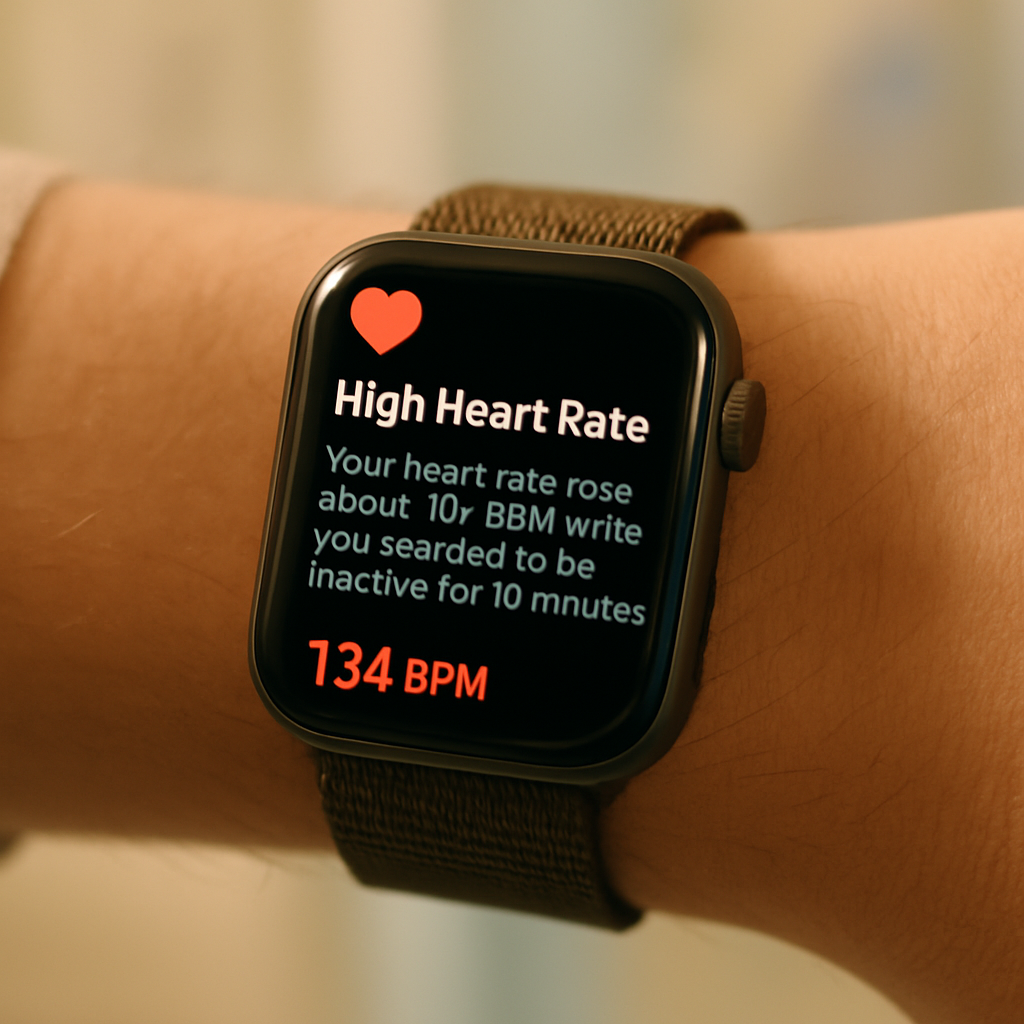
A personal health story shared today highlights how the Apple Watch’s heart rate monitoring helped detect a life-threatening condition early enough to treat it effectively. “Amanda,” the protagonist, noticed her device was sending alerts in 2024 about her resting heart rate and overnight vitals being off. These prompts convinced her to seek medical attention, leading to a diagnosis of acute myeloid leukemia—a fast-progressing cancer. Thanks to medical intervention, she has since entered remission.
How the Watch Made the Difference
The Apple Watch continuously tracks several important cardiovascular metrics. Users receive notifications if their resting heart rate is unusually high or low, or if the device detects irregular rhythms. It also features an ECG app designed to identify signs of atrial fibrillation. In Amanda’s case, the resting and overnight vitals alerts were the first red flags, not chest pain or a visible symptom. Without them, the cancer likely wouldn’t have been caught until much later, when treatment could be more difficult.
The Context: What Apple Watch Health Monitoring Offers
Apple has been steadily promoting its Watch models as not just fitness trackers, but wearable health devices. Heart rate alerts—such as warnings for elevated resting heart rate or signs of irregular rhythm—are central to that effort. Clinically, early detection of anomalies like elevated resting heart rate can be a critical sign of underlying health issues. Acute myeloid leukemia is a serious form of cancer characterized by rapid onset, which is why early discovery can make a big difference. Amanda’s case is one addition to Apple’s broader library of user stories featuring situations where the Watch alerted people to potential cardiac or health concerns.
Though the Apple Watch can’t diagnose diseases, its ability to raise awareness and push users toward timely medical evaluation has proven in multiple instances to be lifesaving. For many, that means catching a problem early enough for treatment to have a strong chance of success. These stories underscore the role of wearable health tech in preventive care.
Looking ahead, enhancements in sensors and algorithmic detection are likely to make these devices even more capable, potentially catching more types of anomalies early—while also reducing false alarms. Regulatory oversight and clinical validation will be essential to maintain trust, but the momentum is building toward wearables becoming standard components in personal health monitoring.