Apple Watch’s sleep apnea notifications recently led an Air Force veteran to uncover a serious health issue he didn’t know he had. The wearable alerted David Aladejobi, 38, that his sleep data showed signs of possible moderate to severe sleep apnea. This prompted him to talk to a doctor—and ultimately get a formal diagnosis and treatment plan.
From Notification to Diagnosis
Aladejobi first saw a notification suggesting sleep apnea. He dismissed it initially, but after considering his snoring and persistent headaches, he sent a screenshot of the alert to his physician. Further evaluation confirmed undiagnosed sleep apnea. He was referred to a sleep lab and prescribed a CPAP machine to regulate his breathing during sleep. His doctor emphasized that untreated sleep apnea can lead to high blood pressure and even life-threatening complications.
How the Watch Identifies Sleep Apnea
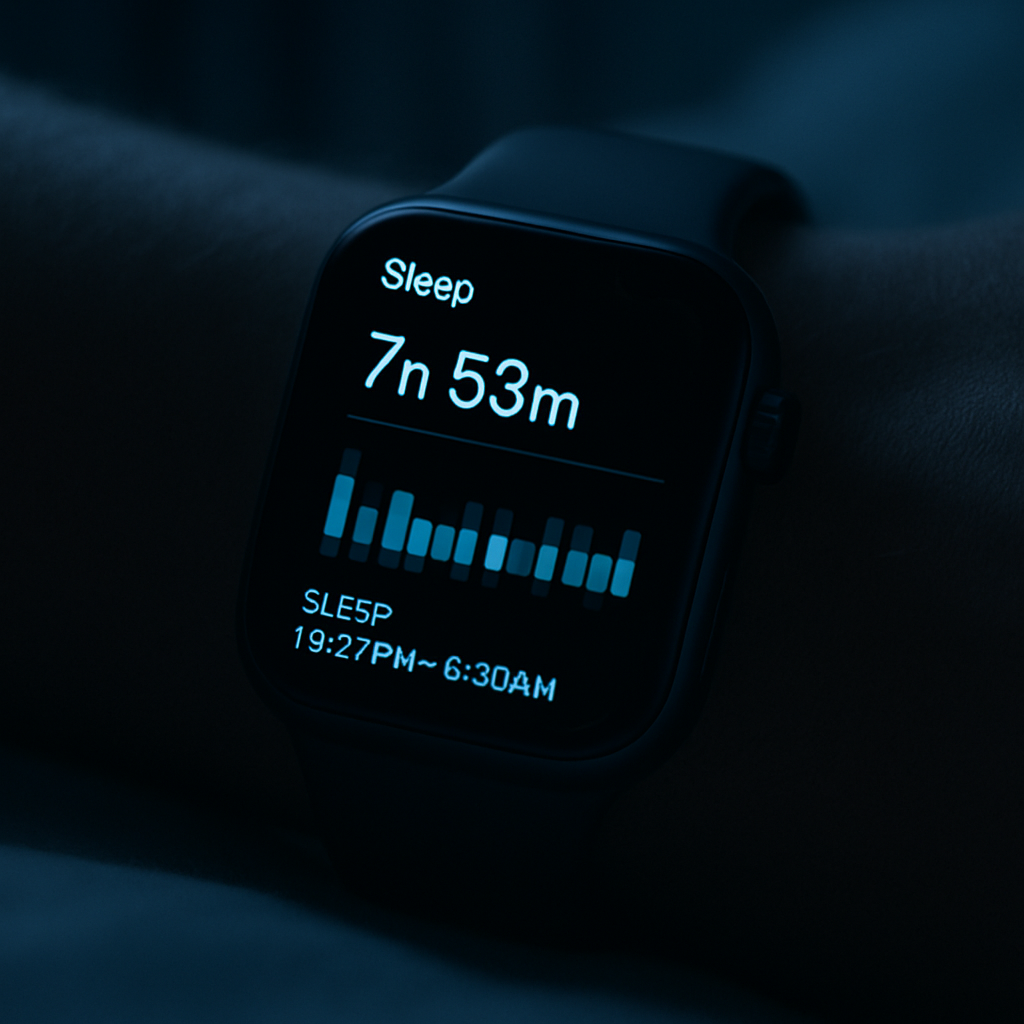
The Apple Watch tracks sleep using its accelerometer to detect breathing irregularities over a 30-day period. If the data reveals consistent indicators of moderate to severe sleep apnea and the user has worn a compatible Watch to bed for at least 10 nights while enabling sleep tracking, a notification is issued. This feature is intended for adults who have not been diagnosed with sleep apnea already. The alert serves as a health prompt—it doesn’t replace medical evaluation.
Sleep apnea notifications work with Apple Watch SE (3rd generation), Series 9 or later, and Ultra 2 or later models.
This isn’t just a one-off story. These health-alert features went live around two years ago and have quietly helped folks who might not realize they have underlying sleep disorders. They’re doing their job in the background—and in some cases, like Aladejobi’s, saving lives.
Aladejobi noted that the notification was simple—something people tend to ignore—and that receiving it from a device he’d already bought made all the difference. For him, the Watch wasn’t just a gadget, but a medical alarm already on his wrist.
Analytical Take: This case illustrates how health monitoring features on wearables are evolving from neat extras into serious medical tools. When sleep tracking, accelerometers, and alert systems converge, devices like the Apple Watch can spot conditions people may carry for years without knowing. The implications for preventive care are huge—wearables could become frontline tools in catching chronic conditions early. Going forward, we’ll need clearer guidelines for users and physicians alike: when to trust an alert, how to interpret data, and how to ensure follow-up care. That infrastructure will be just as crucial as the sensors themselves.