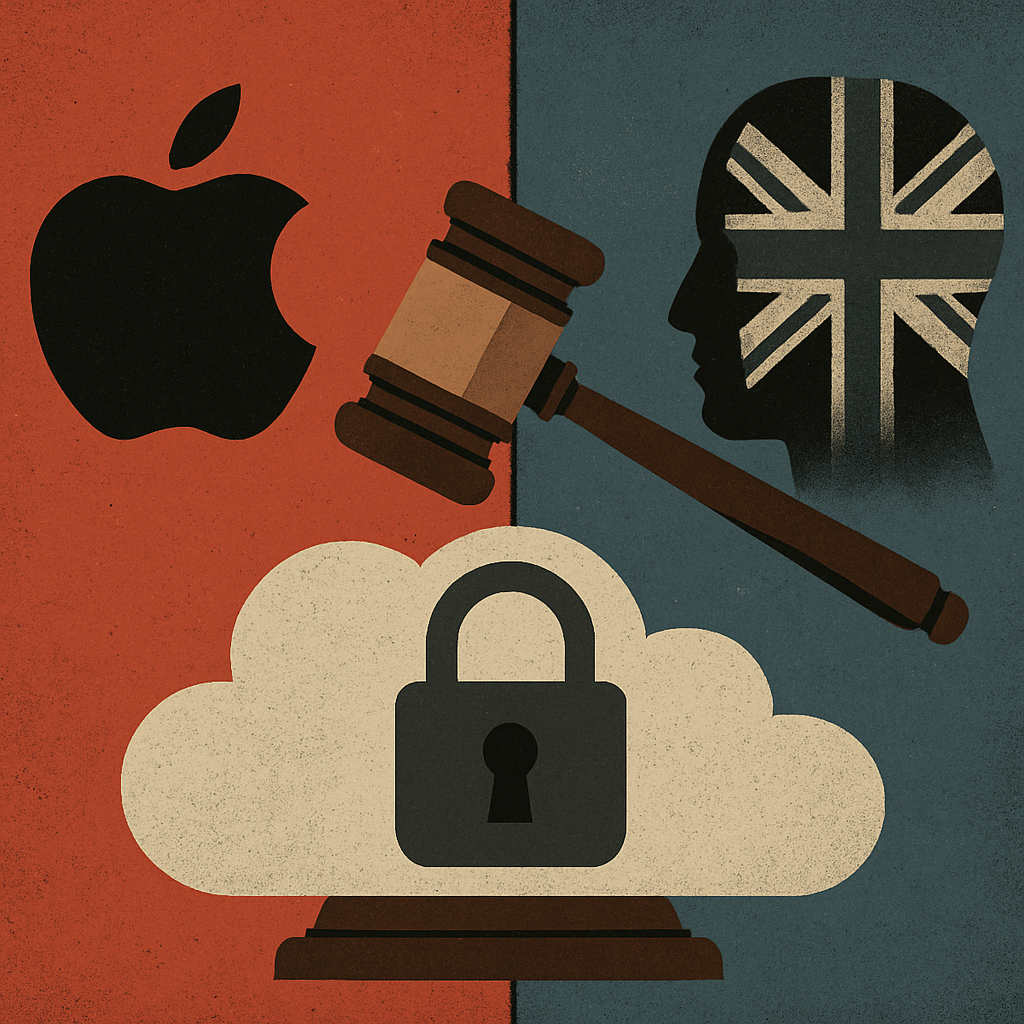
Apple is once again at odds with the United Kingdom government over demands for access to encrypted iCloud data. The tech giant has filed a new complaint with the UK’s Investigatory Powers Tribunal (IPT), seeking to challenge the government’s push for backdoor access to user information.
This legal confrontation follows a series of events where the UK government has attempted to compel Apple to provide access to encrypted user data. In 2024, the UK amended its laws to grant itself the authority to secretly demand such access from tech companies. After facing opposition, the government temporarily retreated but renewed its efforts in October 2025.
Apple’s stance on user privacy has been consistent. The company has previously resisted creating backdoors into its systems, arguing that such measures would compromise the security and privacy of all users. In response to the UK’s demands, Apple had previously withdrawn its Advanced Data Protection feature from the UK market, a tool that offered end-to-end encryption for iCloud data.
The current complaint filed by Apple with the IPT aims to challenge the legality and scope of the UK’s demands. The Investigatory Powers Tribunal is the judicial body responsible for overseeing complaints related to the UK’s surveillance activities and the use of investigatory powers by public authorities.
This ongoing legal battle underscores the tension between national security interests and individual privacy rights. As governments worldwide grapple with the challenges posed by encrypted communications, tech companies like Apple find themselves in the crosshairs, balancing compliance with local laws and the commitment to user privacy.
For users, this situation highlights the importance of understanding how their data is handled and the potential implications of government interventions. As the case progresses, it will be crucial to monitor how legal frameworks evolve and what precedents are set for the future of digital privacy.