Apple Vision Pro Revolutionizes Cataract Surgery with Mixed Reality Integration
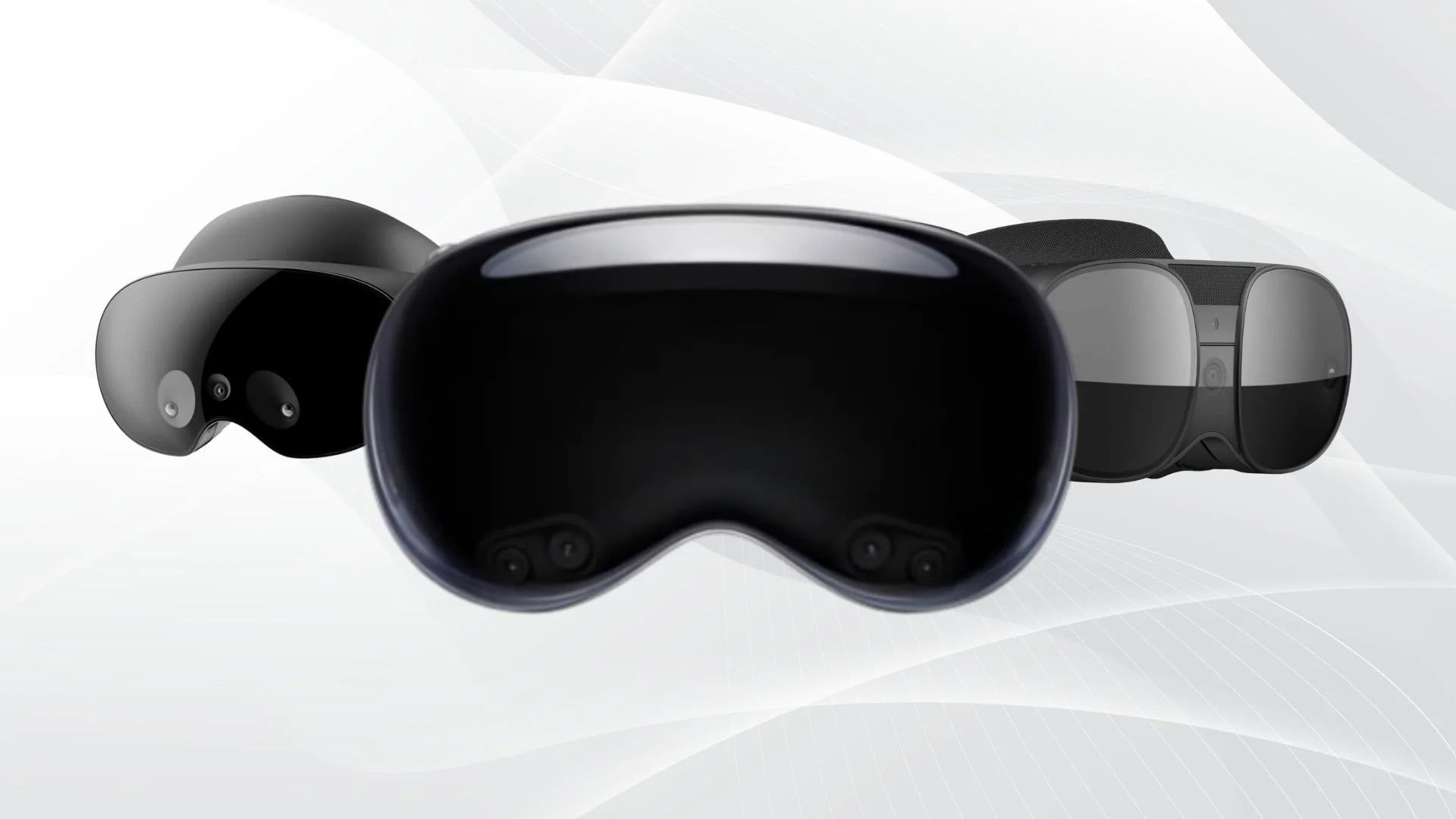
In a groundbreaking advancement for ophthalmic surgery, Dr. Eric Rosenberg of SightMD in New York has successfully performed the world’s first cataract surgery utilizing Apple’s Vision Pro mixed reality headset. This pioneering procedure, initially conducted in October 2025, has since been replicated in hundreds of cases, marking a significant milestone in the integration of cutting-edge technology into medical practice.
Innovative Integration of Mixed Reality in Surgery
The incorporation of the Apple Vision Pro into cataract surgery represents a transformative shift in surgical methodologies. By leveraging the capabilities of mixed reality, surgeons can now access a three-dimensional, high-definition view of the patient’s eye, enhancing precision and improving patient outcomes. This technological integration allows for a more immersive and detailed visualization of the surgical field, which is crucial in delicate procedures like cataract removal.
ScopeXR: Bridging Traditional Equipment with Modern Technology
Central to this innovation is ScopeXR, a custom-developed software that seamlessly connects with standard digital microscopes commonly found in operating rooms. ScopeXR transmits a live, three-dimensional video feed directly into the Vision Pro headset, providing surgeons with an augmented view of the surgical area. This setup not only enhances the surgeon’s visual acuity but also overlays critical patient data within the surgeon’s field of view, facilitating informed decision-making during the procedure.
A notable advantage of ScopeXR is its compatibility with existing medical equipment. By integrating with current digital microscopes, it eliminates the need for healthcare facilities to invest in entirely new systems, thereby reducing costs and streamlining the adoption process. This approach ensures that the benefits of mixed reality can be realized without significant infrastructural changes.
Enhancing Collaborative Surgery and Medical Education
The utilization of the Vision Pro extends beyond the operating room, offering substantial benefits in remote collaboration and medical education. The system enables other surgeons and medical students to access the live feed in real-time, providing an immersive learning experience. This capability allows for interactive discussions and consultations during surgeries, regardless of geographical constraints.
For medical students, this technology offers a unique opportunity to observe complex procedures up close, enhancing their understanding and proficiency. Instead of relying on traditional observation methods, students can experience surgeries from the surgeon’s perspective, leading to a more comprehensive educational experience.
Future Prospects and Broader Implications
The successful integration of the Apple Vision Pro in cataract surgeries signifies a broader trend towards the adoption of mixed reality technologies in various medical fields. As these technologies become more affordable and accessible, their application is expected to expand, potentially transforming numerous aspects of healthcare delivery.
SightMD anticipates that the continued development and refinement of mixed reality tools will lead to their widespread adoption in surgical practices. The potential for improved surgical precision, enhanced training methodologies, and better patient outcomes positions mixed reality as a pivotal element in the future of medicine.
Conclusion
The pioneering use of Apple’s Vision Pro in cataract surgery by Dr. Eric Rosenberg and his team at SightMD exemplifies the transformative potential of mixed reality in healthcare. By enhancing surgical precision, facilitating remote collaboration, and revolutionizing medical education, this integration sets a new standard for technological innovation in medicine. As the medical community continues to embrace these advancements, the future of surgery and patient care appears increasingly promising.