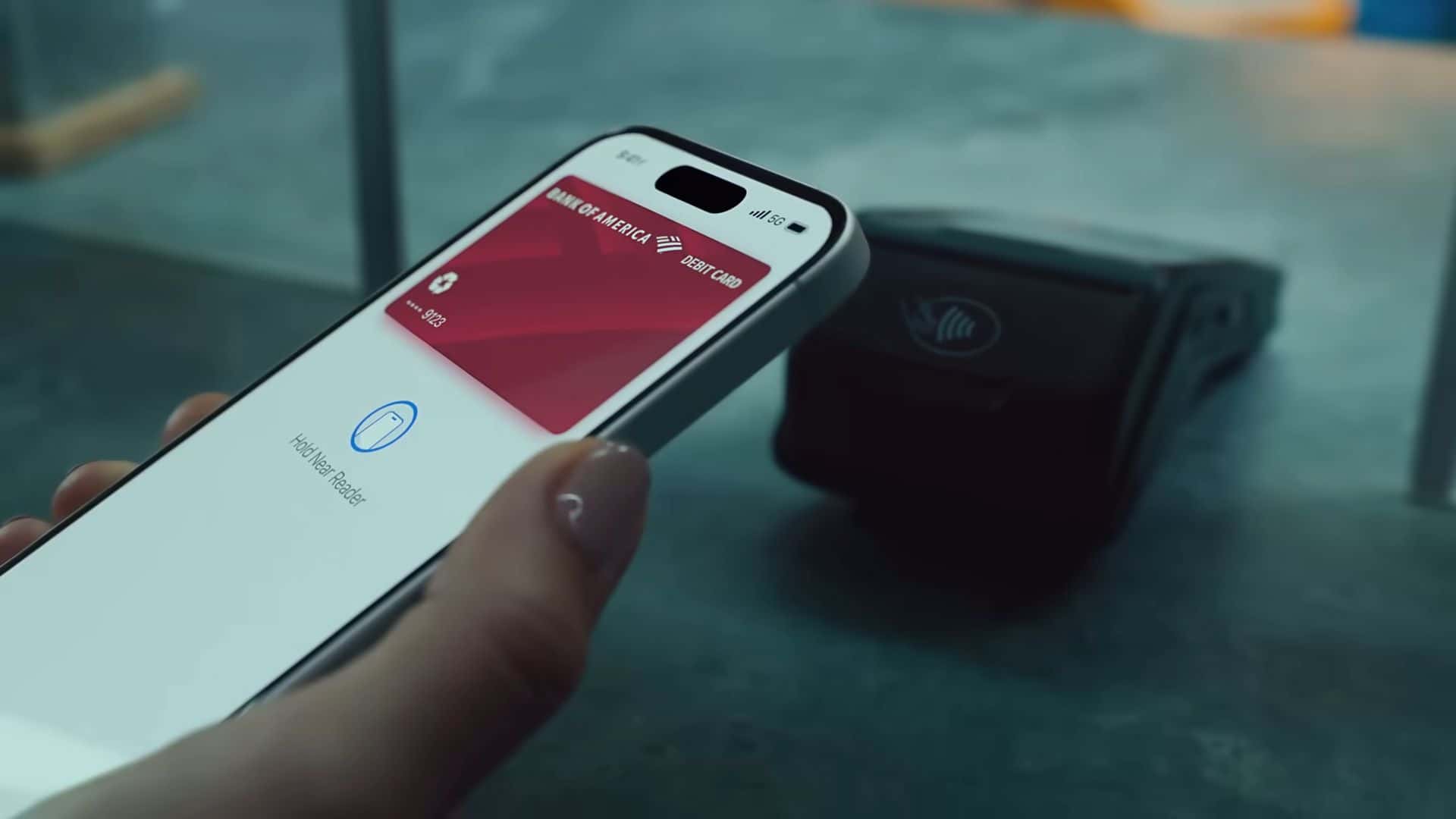
Apple Pay Revolutionizes Public Transit in Major U.S. Cities
Apple has significantly enhanced the commuting experience by expanding its Apple Pay service to twelve major U.S. cities, including New York, Chicago, and Los Angeles. This advancement allows riders to seamlessly board trains and buses using their iPhones or Apple Watches, eliminating the need for physical tickets or cash transactions.
Express Mode: A Game-Changer for Commuters
A standout feature of this update is the introduction of Express Mode within the Apple Wallet app. By designating a specific payment card for transit, users can pay fares instantly by simply tapping their device near a transit reader. This process bypasses the need for Face ID or passcode entry, streamlining the boarding process. Notably, Express Mode remains functional for up to five hours after the device’s battery has depleted, ensuring commuters aren’t left stranded due to a dead battery.
City-Specific Requirements and Fare Benefits
While the core functionality of Apple Pay’s transit feature is consistent, certain cities have unique requirements:
– Chicago: Commuters must add a digital version of the Ventra card to their Apple Wallet before utilizing the service.
– New York: The subway system offers a fare cap, automatically limiting weekly expenses to $35. Once this threshold is reached, additional rides within the seven-day period are free, providing significant savings for frequent travelers.
Broader Implications and Future Prospects
The expansion of Apple Pay into public transit systems reflects a broader trend towards digital and contactless payment solutions. This move not only enhances convenience for daily commuters but also aligns with public health recommendations by reducing physical contact points. As more cities adopt this technology, the future of urban commuting appears increasingly efficient and user-friendly.