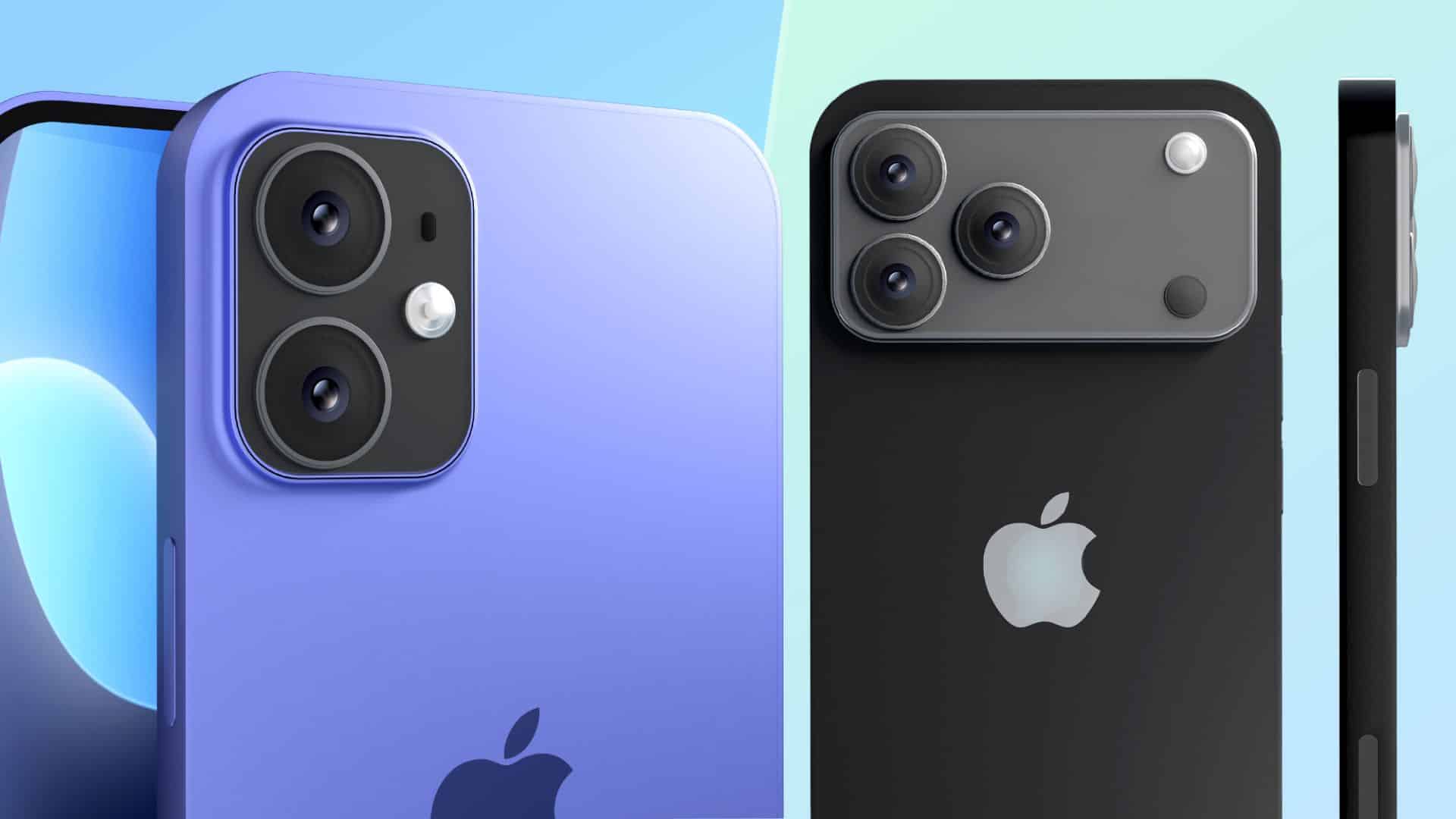
Apple’s iPhone Fold: A New Era in Smartphone Innovation
Apple is poised to revolutionize the smartphone market with the introduction of its first foldable device, the iPhone Fold. This groundbreaking model is expected to debut a few months after the launch of the iPhone 18 Pro series, marking a significant shift in Apple’s product release strategy.
Launch Timeline and Strategy
Traditionally, Apple unveils its flagship iPhone models in September. However, the iPhone Fold is anticipated to break this pattern. Reports suggest that while the iPhone 18 Pro and Pro Max will be announced in September 2026, the iPhone Fold will follow with shipments beginning in December 2026. This staggered release allows Apple to maintain focus on its primary lineup while dedicating attention to the innovative foldable model.
This approach isn’t unprecedented for Apple. Previous models like the iPhone X, iPhone XR, and iPhone 14 Plus were also released weeks after their initial announcements. By potentially announcing the iPhone Fold alongside the iPhone 18 Pro models and delaying its shipment, Apple can ensure a polished product reaches consumers.
Design and Display
The iPhone Fold is expected to feature a book-style design, reminiscent of the Google Pixel Fold. When unfolded, it will boast a flexible interior display of approximately 7.8 inches, complemented by a 5.5-inch external screen for use when the device is closed. This design aims to provide users with a tablet-like experience in a compact form factor.
Apple has reportedly invested significant resources into developing a crease-free display, addressing a common concern among existing foldable devices. The device is also expected to be remarkably thin, measuring around 4.5mm when unfolded and 9 to 9.5mm when closed. To achieve this, Apple is focusing on advanced hinge mechanisms and durable materials, ensuring both aesthetics and functionality are top-notch.
Production and Supply Chain
Production of the iPhone Fold is slated to commence in late 2025, with Apple supplier Foxconn expected to begin manufacturing in the third quarter. Samsung Display has been tapped as the exclusive supplier for the foldable OLED panels, highlighting the collaboration between tech giants to bring this device to market.
Given the complexity of manufacturing foldable devices, initial production volumes may be limited. Apple is reportedly stockpiling key components, including titanium frames and advanced hinges, to meet anticipated demand. However, supply shortages could persist into 2027 due to the intricate production processes involved.
Pricing and Market Position
The iPhone Fold is projected to be positioned as a premium device, with price estimates ranging from $2,000 to $2,500. This pricing reflects the advanced technology and materials used in its construction. While this places the iPhone Fold among the most expensive smartphones on the market, Apple is betting on its loyal customer base and the device’s unique features to drive sales.
Technological Innovations
Beyond its foldable design, the iPhone Fold is rumored to incorporate several cutting-edge technologies. Notably, it may feature a 24-megapixel under-display camera, a first in the industry, allowing for a seamless display without notches or punch holes. Additionally, the device is expected to include two 48MP rear cameras and integrate Touch ID into the side button, offering users multiple biometric authentication options.
Software and User Experience
To complement the hardware, Apple is likely to introduce software enhancements tailored for the foldable form factor. This could include optimized multitasking capabilities, allowing users to run multiple apps side by side, and a user interface that adapts seamlessly between folded and unfolded states. The integration of iOS 27 is expected to be minimal in terms of new features, with the focus being on ensuring a smooth and intuitive experience on the foldable device.
Market Implications
The introduction of the iPhone Fold signifies Apple’s entry into the foldable smartphone market, a segment currently dominated by competitors like Samsung. By waiting until the technology matured, Apple aims to deliver a product that addresses the shortcomings of existing foldables, such as durability concerns and visible screen creases.
This move could also influence the broader smartphone market, prompting other manufacturers to accelerate their foldable device development. Consumers can expect increased competition, leading to more choices and potentially more affordable options in the future.
Conclusion
The iPhone Fold represents a bold step forward for Apple, blending innovation with the company’s hallmark design and user experience. While the delayed release may test the patience of eager consumers, it underscores Apple’s commitment to delivering a polished and reliable product. As the December 2026 launch approaches, anticipation continues to build for what could be a transformative device in the smartphone industry.