At the Worldwide Developers Conference (WWDC) 2026, Apple introduced significant advancements in its smart home ecosystem, headlined by the debut of HomeOS and a suite of new devices designed to enhance home automation and entertainment.
Introduction of HomeOS
Apple’s new operating system, HomeOS, is engineered to unify and streamline the management of smart home devices. This platform aims to provide users with a cohesive and intuitive interface for controlling various home automation products, marking a substantial evolution from the previous HomeKit framework.
Launch of the Apple Home Hub
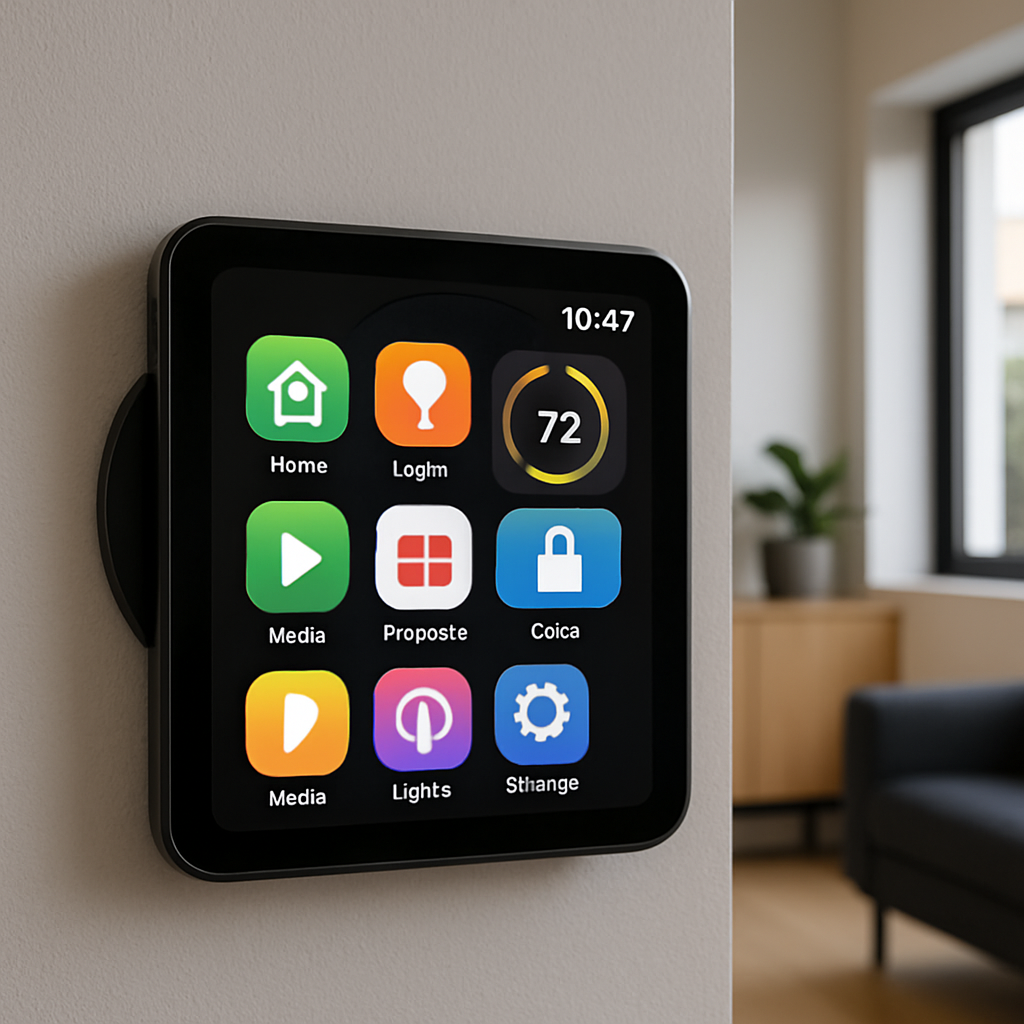
Complementing HomeOS, Apple unveiled the Apple Home Hub, a device featuring a design reminiscent of the iMac G4’s hemispherical base. The Home Hub is equipped with a watchOS-style user interface and incorporates MagSafe technology, allowing it to attach securely to compatible accessories and walls. This device is poised to serve as a central control point for smart home functionalities, offering users a dedicated interface for managing their connected devices.
Enhancements to Apple TV and HomePod
In addition to HomeOS and the Home Hub, Apple announced updates to its existing smart home products. The Apple TV has been upgraded with an A18 processor, enhancing its performance and enabling support for Apple Intelligence features. This advancement positions the Apple TV as a more robust hub for home entertainment and automation.
The HomePod lineup also received attention, with software updates aimed at improving audio quality and integration with the broader Apple Home ecosystem. These enhancements are designed to provide users with a more immersive and seamless audio experience throughout their homes.
Implications for the Smart Home Market
Apple’s introduction of HomeOS and the Apple Home Hub signifies a strategic move to consolidate its position in the smart home market. By offering a unified operating system and a dedicated control device, Apple aims to simplify the user experience and encourage broader adoption of its smart home products. This approach not only enhances the functionality of individual devices but also fosters a more integrated and user-friendly ecosystem.
As the smart home industry continues to evolve, Apple’s latest offerings are likely to influence market trends and consumer expectations. The emphasis on seamless integration and intuitive control reflects a growing demand for smart home solutions that are both powerful and easy to use. Observers will be keen to see how these developments impact Apple’s market share and the broader adoption of smart home technologies.