Apple’s Foldable iPhone Ultra: A Comprehensive Comparison with Existing Devices
Apple’s foray into foldable technology is generating significant buzz, with the anticipated iPhone Ultra poised to redefine the smartphone landscape. Recent dummy models offer a tangible glimpse into how this innovative device stacks up against current Apple products.
Design and Display
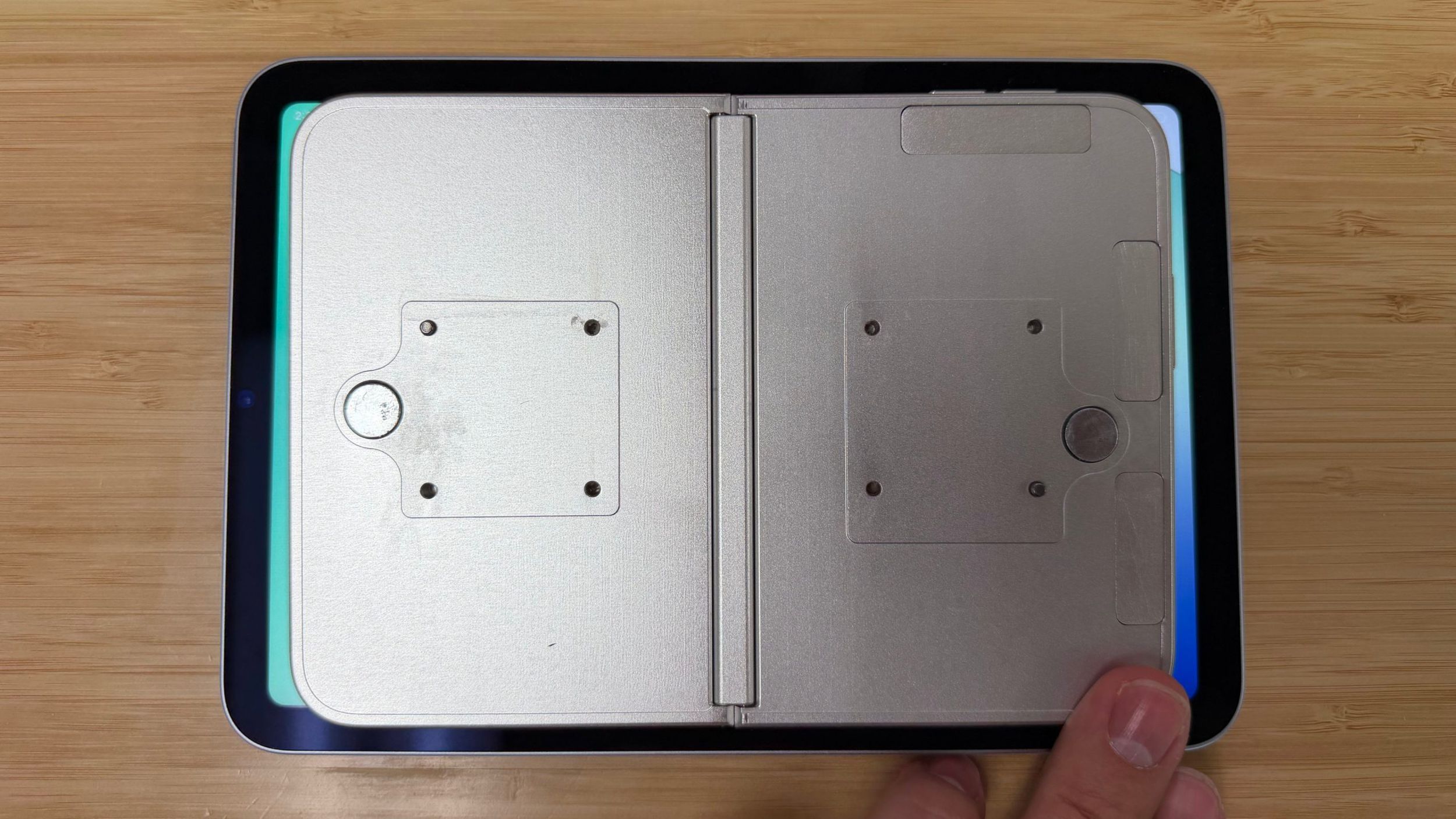
The iPhone Ultra adopts a book-style foldable design, featuring a 4:3 aspect ratio reminiscent of the iPad. When unfolded, it boasts a 7.8-inch OLED display, slightly smaller than the 8.3-inch iPad mini. In its closed state, the device measures 5.5 inches, aligning with the dimensions of the iPhone 13 mini. This design aims to bridge the gap between smartphones and tablets, offering versatility for various user needs.
Size Comparison
When juxtaposed with the iPhone 17 Pro Max in landscape orientation, the iPhone Ultra maintains a similar width but offers a display that is 56.9% taller (71 mm vs. 111.5 mm). This expanded screen real estate enhances the viewing experience, particularly for 16:9 video content and gaming applications that utilize on-screen controls.
External Display
The outer display of the iPhone Ultra is a point of interest. Reports suggest it measures between 5.3 to 5.5 inches, making it slightly smaller than the iPhone 13 mini’s 5.4-inch screen. This compact size may require an adjustment period for users with larger hands, but it contributes to the device’s portability and sleek design.
Functional Buttons and Features
The right side of the device houses a Touch ID-integrated power button and a dedicated Camera Control button, while volume controls are positioned along the top edge, akin to the iPad mini’s layout. The absence of Face ID is attributed to spatial constraints, but the inclusion of the Camera Control button underscores Apple’s commitment to enhancing photography and videography experiences. This feature allows users to adjust camera settings seamlessly, even one-handed, ensuring a steady grip during shooting.
Camera System
The rear of the iPhone Ultra features a raised camera bump, or plateau, that does not extend across the entire back. It houses a dual-lens system, deviating from the triple-lens setups found in some of Apple’s other high-end models. This design choice may reflect a balance between functionality and the device’s slim profile.
Thickness and Build
The dummy model measures approximately 11mm in thickness when closed, which is slightly thicker than some rumors that suggested a range of 9mm to 9.5mm. This discrepancy highlights the challenges in engineering foldable devices that are both durable and slim. The build quality and materials used will be crucial in determining the device’s overall feel and durability.
Market Position and Expectations
The iPhone Ultra is expected to be unveiled alongside the iPhone 18 Pro and iPhone 18 Pro Max models. Its unique form factor and features position it as a premium offering in Apple’s lineup, potentially appealing to tech enthusiasts and professionals seeking a versatile device that combines the functionalities of a smartphone and a tablet.
Conclusion
The iPhone Ultra represents a significant step in Apple’s innovation journey, blending the portability of an iPhone with the expansive display of an iPad mini. As anticipation builds, consumers and industry experts alike are eager to see how this foldable device will perform in real-world scenarios and how it will influence the future of mobile technology.