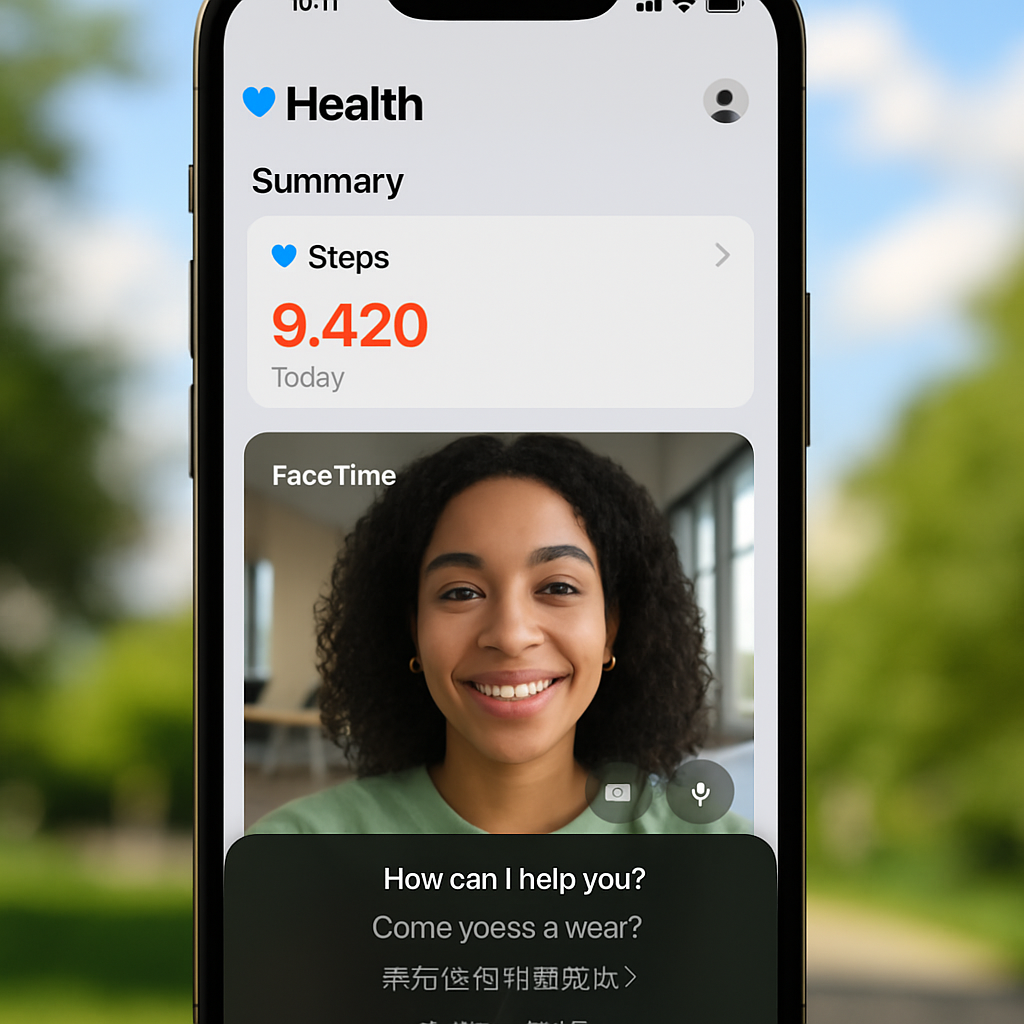
Apple has rolled out the very first public beta for iOS 27.2, marking a major update that introduces a fully redesigned Health app for iPhone users. Following the release of iOS 27 this past September, the new beta ushers in bold changes as Apple focuses on enhancing usability and health-related features ahead of the full launch.
What’s New in iOS 27.2 Beta
The revamped Health app is the standout feature of this update, delivering a fresh interface and new tools that aim to make tracking well-being more seamless. A notable addition is direct integration with Quest Diagnostics—users can now both schedule and purchase lab tests, priced around $119, straight through the Health app.
iOS 27.2 doesn’t stop there. The beta adds Dual Capture support for Group FaceTime, enabling users to switch between cameras during video calls. Siri’s AI-powered language capabilities have expanded to include French, Japanese, Korean, Portuguese, and Spanish, broadening accessibility. The Apple TV app now supports profiles on iPhone for a more personalized media experience. Podcast enhancements include a renamed “New Episodes” section and color-matched episode list backgrounds, while Apple Music has reduced the visual dominance of icon colors in its song labels.
Timing, Access, and Developer Highlights
This public beta follows closely on the heels of the developer beta rollouts, observing Apple’s recent choice to bypass an iOS 27.1 beta number for general users. That version is reserved exclusively for the new foldable iPhone Duo, with developer tools—like Xcode 27.1 and an updated SDK—already optimized to support Duo’s dual-screen setup.
Apple anticipates the official release of iOS 27.2 in October, giving testers early access via both public and developer beta channels. Users participating in the public beta can experience all the new Health app features ahead of the wider rollout.
Bottom line: With iOS 27.2, Apple is doubling down on health, personal media, and multilingual support. The redesigned Health app—particularly the seamless lab scheduling and purchasing—signals a push toward making the iPhone a more central hub for wellness.
Why this matters: This update isn’t just cosmetic. It hints at Apple’s broader strategy to lean into health services as a growth area, potentially making diagnostics more accessible via the iPhone. For users, the expanded Siri support, improved media personalization, and enhanced FaceTime capabilities all point to a richer experience ahead. As the October release looms, developers and beta testers will want to keep tabs on performance, feature polish, and how well Apple delivers on these promises.