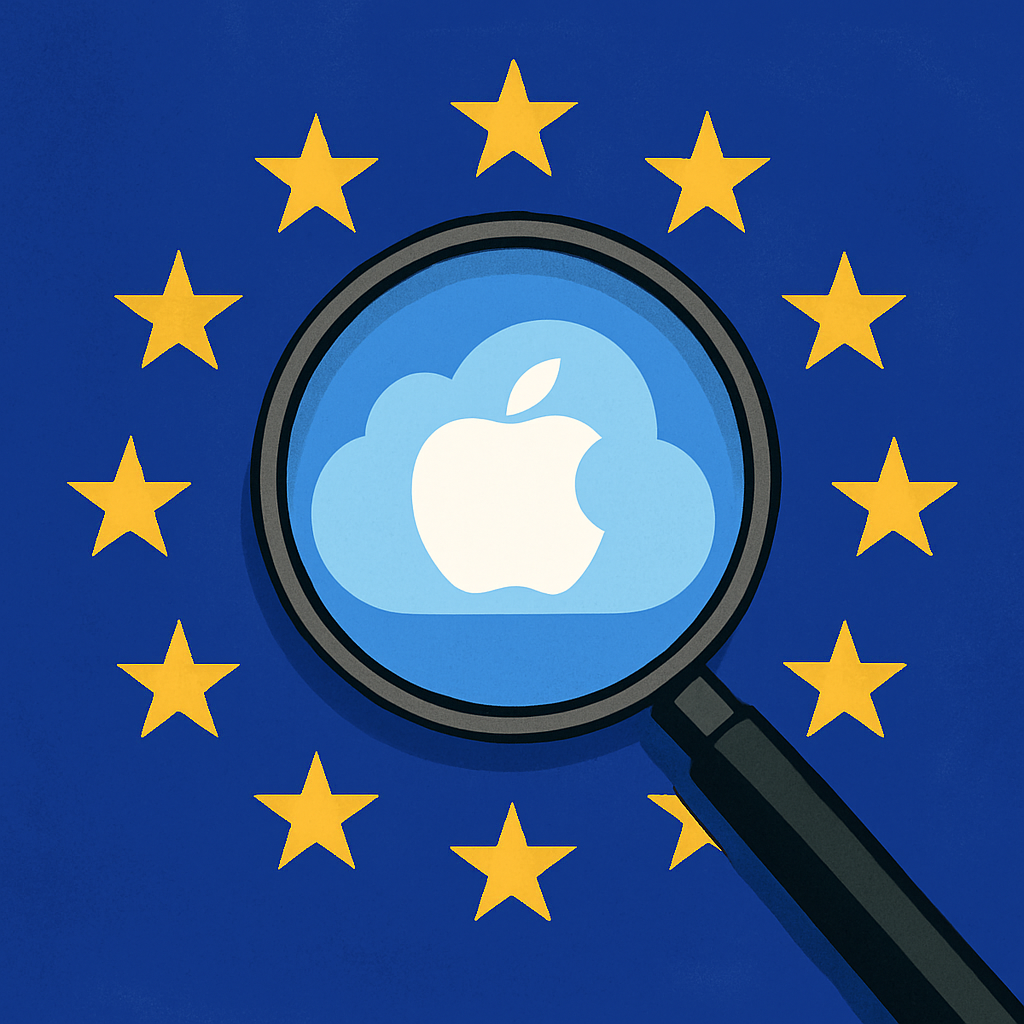
Apple is once again under the European Union’s antitrust microscope, this time concerning its iCloud service. The Italian Competition Authority (AGCM) has initiated an investigation to determine whether Apple is giving preferential treatment to iCloud over third-party cloud services, potentially violating the EU’s Digital Markets Act (DMA).
The DMA mandates that tech giants, designated as ‘gatekeepers,’ ensure interoperability between their platforms and third-party services. Specifically, Apple is required to allow external cloud service providers to integrate seamlessly and free of charge with its iOS and iPadOS operating systems, affording them the same access as its proprietary iCloud service.
The AGCM’s probe centers on allegations that Apple’s backup processes on iPhones and iPads may be designed to favor iCloud, thereby disadvantaging alternative cloud providers. The authority has indicated that it possesses evidence suggesting that third-party cloud services do not have access to the same system components as iCloud, potentially hindering their ability to offer comparable services.
This investigation is particularly noteworthy as it represents the first time a national regulator within the EU has taken action under the DMA, which came into effect in 2023. The AGCM plans to share its findings with the European Commission, which holds the ultimate authority to enforce the DMA across member states.
Apple’s history with EU antitrust investigations is extensive. In March 2024, the company was fined approximately $2 billion for imposing ‘abusive’ App Store rules that restricted music streaming services from informing users about alternative subscription options. Apple has consistently contested such findings, often appealing decisions and maintaining that its practices are in line with EU regulations.
More recently, Apple has faced criticism over the delayed rollout of its enhanced Siri AI assistant in Europe. The company attributed the delay to the stringent requirements of the DMA, claiming that compliance would necessitate granting competing assistants direct access to user data without sufficient protections. The European Commission, however, refuted this claim, stating that the DMA does not prohibit product launches and that Apple’s decision to withhold the app was unilateral.
The outcome of the AGCM’s investigation could have significant implications for Apple’s operations within the EU. If found in violation of the DMA, Apple may be compelled to modify its practices to ensure equal treatment of third-party cloud services, potentially reshaping how users interact with cloud storage options on iOS and iPadOS devices. This case underscores the EU’s commitment to fostering a competitive digital market and may set a precedent for how interoperability is enforced under the DMA.