Apple TV has secured global rights to the BBC comedy-drama hit Small Prophets, marking a rare move by the streaming service to acquire a fully-realized UK show after its initial success. The deal, brokered with distributor Scribe Abacus, covers the show’s first season, which will stream worldwide on Apple TV starting October 7, 2026—except in the UK, where it will remain on BBC iPlayer for five months before shifting over.
Show, Creator & Storyline
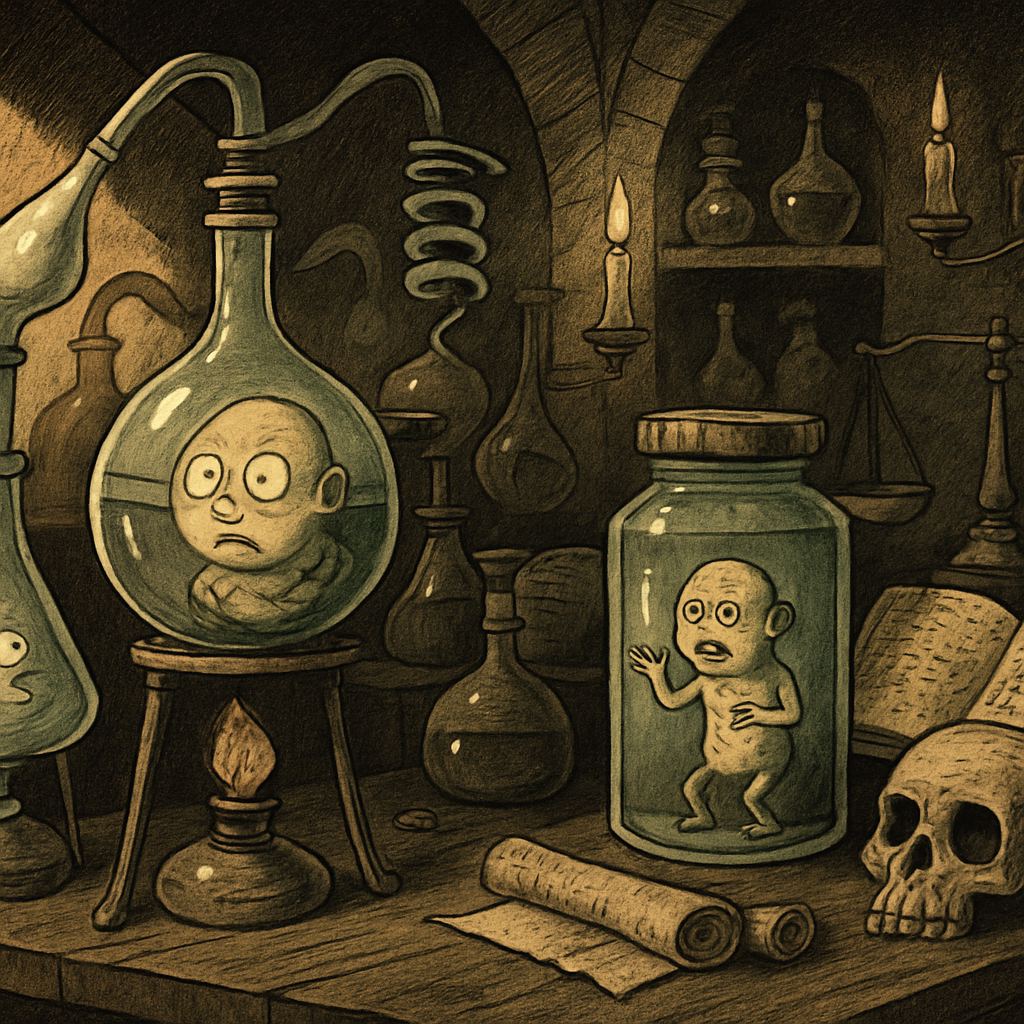
Small Prophets is a six-part series both written and directed by Mackenzie Crook, who’s known in Britain for this show and The Detectorists, and internationally for his earlier role in the UK version of The Office. The series kicks off with a man turning to alchemy while investigating his partner’s mysterious disappearance. It weaves elements of drama and darker humor, gradually evolving into a gripping tale rich with hope, weird science, and homunculi.
A First-of-Its-Kind Buy for Apple TV
While Apple TV has purchased individual titles and partnered in co-productions before, it typically hasn’t snapped up shows that already aired and achieved critical acclaim. This acquisition breaks that pattern. The show was originally handled by production partners Blue House, Hot Olives, and Treasure Trove Productions, and distributed by Scribe Abacus, rather than through the BBC directly.
A second series has reportedly been planned—an eight-episode run that would close out the story entirely—but the BBC hasn’t officially confirmed commissioning that yet.
This isn’t quite like Apple TV’s earlier model, where a show is made first for them (such as Trying). Instead, it’s an established hit now entering the Apple catalogue under what many see as a precedent-setting licensing structure.
For UK viewers, Apple TV’s deal won’t take immediate effect: the show remains exclusive to iPlayer until roughly March 2027, after which it will transition to Apple TV globally. For audiences elsewhere, Apple TV becomes the go-to home as of October 7.
With some calling it akin to Ted Lasso—not in style necessarily, but in tone and emotional weight—the show occupies a space between sitcom and ongoing narrative, more so than classic joke-rich fare.
What makes this move significant is Apple TV’s willingness to invest in proven content rather than just original or co-produced programming. It demonstrates an evolving strategy, one that may reshape how rights holders view Apple as a serious buyer in global comedy and drama markets.