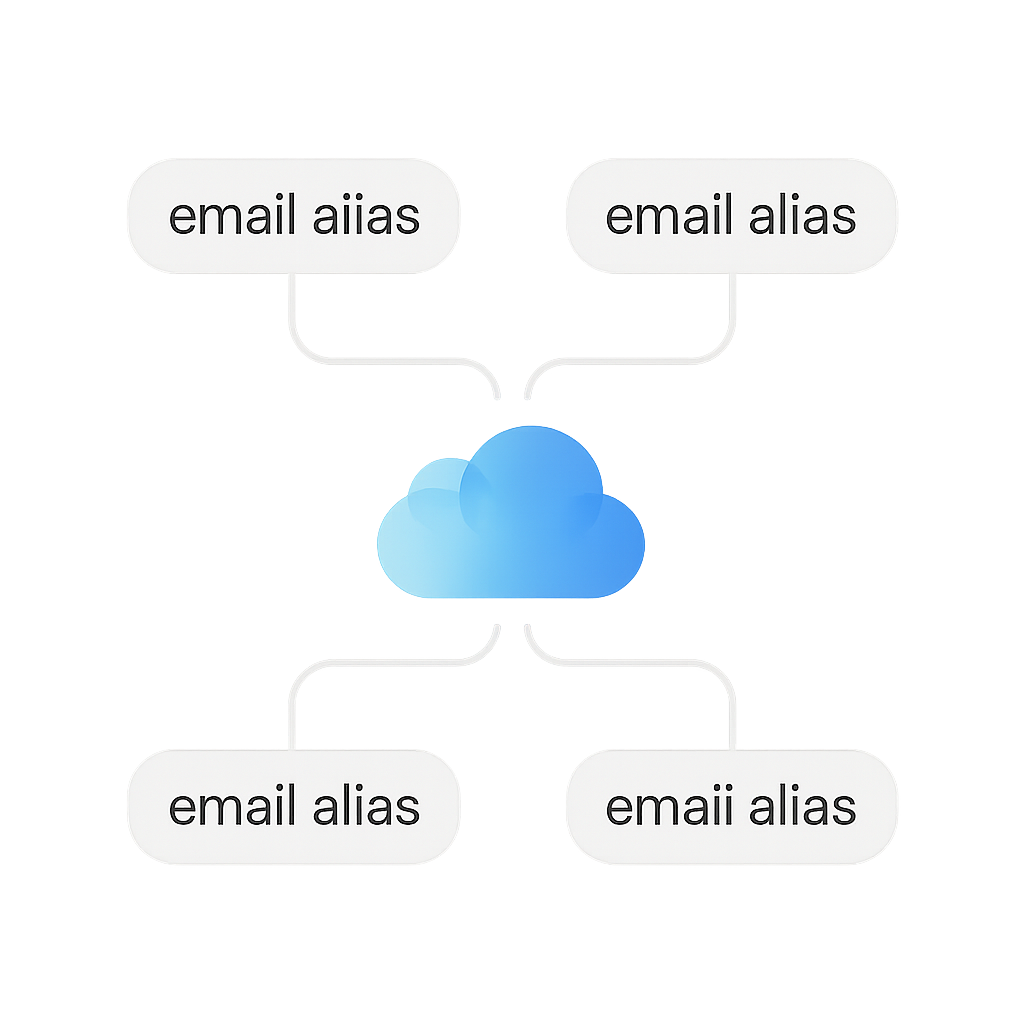
Apple has quietly lifted the cap on how many email aliases iCloud users can create. The limit—previously three aliases—has been boosted to nine. The change appears to be fully rolled out on iCloud.com, though Apple hasn’t updated any official documentation yet.
What’s changed — and what Apple’s saying
A user first spotted the new alias limit on Reddit last week, and confirmation soon followed from other iCloud users. The updated cap is active for many—accessed through the web—but Apple hasn’t added any mention of it to its iCloud guidelines. Documents like the iCloud User Guide still list three aliases as the maximum. That discrepancy suggests either oversight or a delayed refresh on Apple’s support site.
Why this matters
Making more aliases easier to create gives individual users greater flexibility for managing their inboxes—whether for separating work or personal correspondence, filtering newsletters, or protecting privacy. Alias addresses are a free tool for organizing email flow without publishing your primary address.
Aliases have long been useful, but until now limited: you could only hide your main address behind up to three alternate identities. Tripling that to nine offers a considerable upgrade—especially for users who sign up for many services. More aliases means better control over tracking, spam, or unwanted marketing emails.
What’s next
It’s unclear whether this change marks a test or a more permanent shift. Since Apple hasn’t officially announced the update—and its documentation still reflects the old limits—there’s a chance this could be rolled back or modified. Users should watch for confirmation in Apple’s next support update or iOS/iPadOS/macOS firmware release notes.
For those relying on aliases heavily—digital privacy advocates, small business owners, or anyone managing multiple online identities—this is likely welcome. But without official word, there’s some risk in depending fully on all nine aliases today.
What this means: Apple increasing the iCloud alias limit to nine signals a subtle strengthening of email privacy and inbox control. It aligns with broader trends toward giving users more granular control over personal data and how they interact with services. Going forward, if the change sticks, it could improve daily email hygiene—and make managing digital life a little less messy.