Apple is preparing to overhaul its retail stores with sweeping design changes, aiming to bring back familiar layouts and improve how customers shop, pick up orders, and receive support. These updates follow a strategy to accelerate store renovations over the next few years. Three core transformations are at the heart of this refurbishment.
What’s changing inside Apple Stores
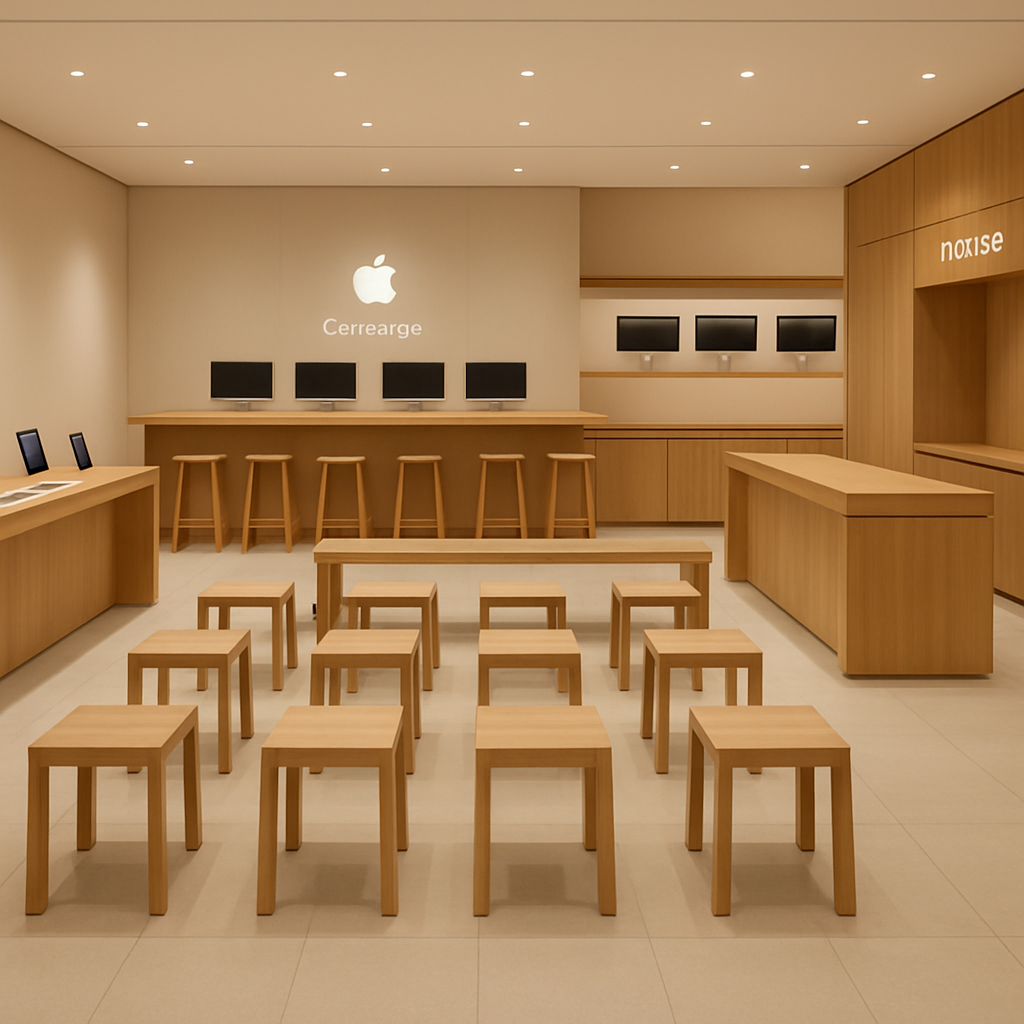
The first major update targets the “Avenue” sections—the areas where accessories and Apple services are prominently displayed. Apple intends to expand these avenues to include two dedicated bays: one for online order pickups, the other for “Today at Apple” sessions. In practice, the pickup bay will feature wood construction, a subtle Apple logo on the upper section, secure drawers below for holding orders, and a table up front for staff to manage the handoff process. The workshop bay, meanwhile, will combine a large display with secure drawers so instructors can store devices securely.
The second big shift involves removing the large video walls typically found at the back of most stores. These walls have been used both for marketing displays and to host Today at Apple sessions, but Apple is planning to retire them as part of this fleet-wide update.
And third, Apple is making a return to dedicated Genius Bars. These counters, a staple in older Apple retail layouts, had been phased out in favor of “Genius Groves” over a decade ago. The renewed Genius Bars will have an all-wood design, two counter heights to improve accessibility, and storage drawers behind the counters. Large posters featuring new products will also adorn the wall behind the bar, reinforcing product-focused branding.
Why it matters
Collectively, these changes signal a shift back toward more traditional elements of Apple’s retail model—places you can go for self-service shopping, workshop experiences, and in-person support. Apple seems determined to re-emphasize practical service and fulfillment, rather than leaning heavily on large digital displays or experimental layouts. With renovation pace set to speed up, shoppers may see these changes roll out in stores sooner rather than later.
This revamp ties into broader trends in retail design—simplifying experiences, improving accessibility, and reinforcing the physical touchpoints that digital shopping lacks. Apple’s renewed focus on pickup bays and dedicated Genius Bars could also help streamline store operations when demand is high, and make the stores feel more intuitive and useful for everyday customers.
What to watch next: when Apple starts retrofitting stores with these new layouts, and whether some of the old Geniuses or Groves get hybrid designs before full transitions. Also, how customers respond—will the return of video walls or Genius Bars feel like a step backward because they’re nostalgic, or forward for being more functional?