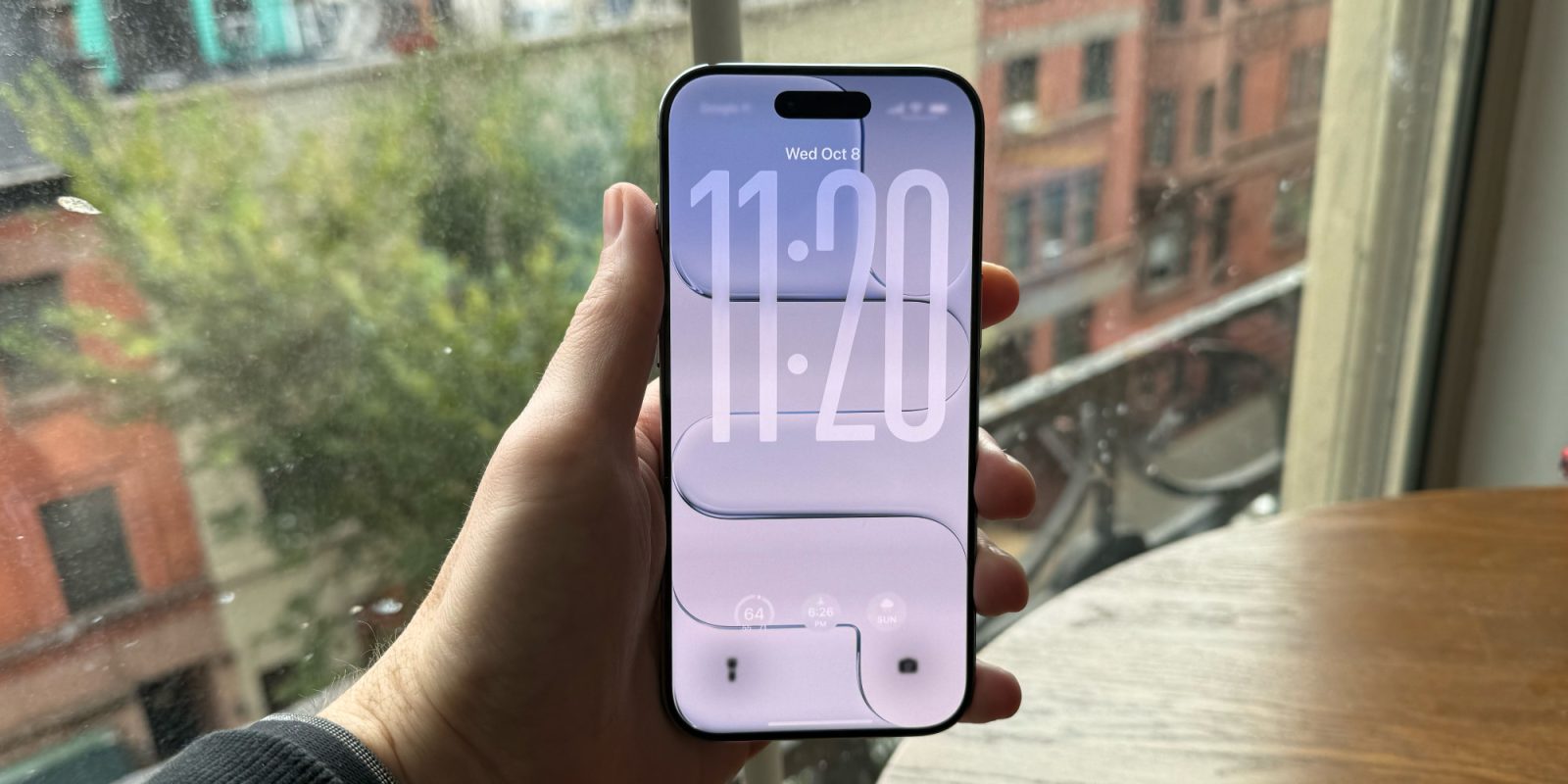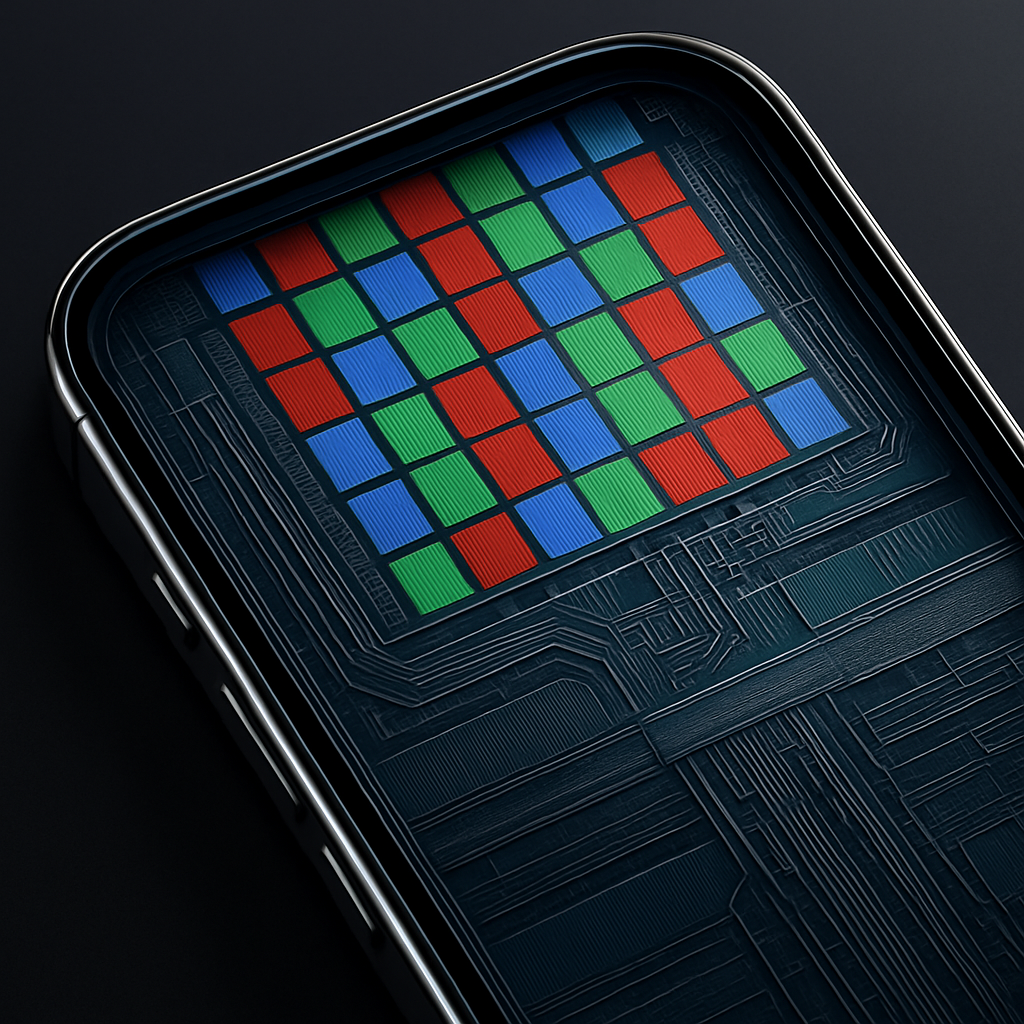
Apple is targeting 2029 for its Pro-line iPhones to adopt a display design that removes the traditional polarizer layer from OLED panels. The change, based on research from UBI Research, leverages a technology called Color Filter on Encapsulation (CoE), which integrates a color filter directly atop the encapsulation layer of the display to reduce thickness and improve power efficiency.
What’s Changing & Why It Matters
In current OLED displays, a polarizer layer helps cut down reflections from ambient light, but at a cost: it absorbs part of the display’s own light output. Elimination of this layer promises two crucial advantages. First, displays may reach higher brightness with the same power draw. Second, Apple could reduce power usage while maintaining current brightness levels. Also, ditching the polarizer lets Apple free up space inside the iPhone for larger batteries, improved camera modules, or other enhancements.
Samsung pioneered this style of screen (calling it Eco² OLED) on the Galaxy Z Fold3. Their internal tests showed a boost in light transmission of approximately 33%, along with power savings of up to a quarter compared to OLEDs with a separate polarizer. Apple seems to be following in those footsteps.
Challenges & Rollout Timeline
Removing the polarizer isn’t a plug-and-play upgrade. Without it, manufacturers must compensate using optical tactics such as advanced color filters, coatings that reduce reflection, and precise black pixel boundaries. Maintaining clarity in bright daylight, preserving accurate colors across wide viewing angles, and sustaining contrast become tougher design problems. These are likely reasons Apple isn’t rushing the change.
Though CoE is also expected to feature in Apple’s upcoming foldable device (dubbed the iPhone Duo), the real shift to include it in high-volume Pro models won’t come until 2029. For context, combined output for the two Pro variants could amount to 90-100 million display panels annually, making the transition significantly larger than just adding it to a niche foldable category. Samsung Display and LG Display are slated to lead production, with BOE possibly becoming a supplier if it meets Apple’s exacting standards.
Although Apple hasn’t confirmed any of these details publicly, the pattern so far — early adoption in the folding iPhone Duo followed by expansion to its Pro series — fits with how companies test new display technologies before integrating them into mainstream products. No firm announcement yet, but multiple supply chain reports back this timeline.
The broader context: Apple is steadily pushing forward in display tech, seeking ways to enhance battery life, brightness, and form factor without relying purely on power-hungry fixes. CoE could be among the most impactful improvements to OLED panels since mini-LED and LTPO backplanes. By removing a passive but light-absorbing component, Apple is attacking inefficiency at a low level. If done right, it could yield noticeably better ergonomics and durability in Pro-class iPhones. In the long run, the shift underscores Apple’s priorities: performance, battery, and materials innovation. What to watch: how Apple solves outdoor legibility and color fidelity without a polarizer, and whether BOE can rise to meet the supply demands required for mass production.