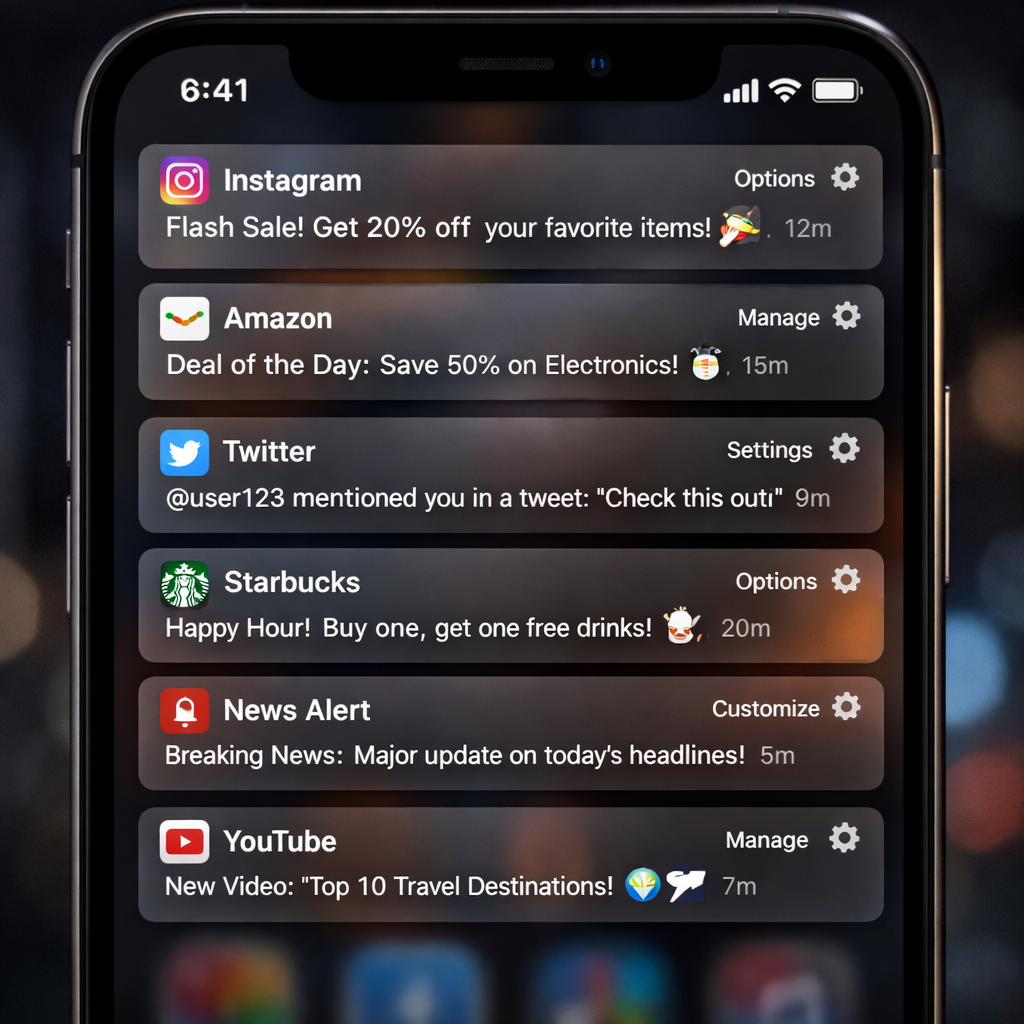
Apple’s rules for app notifications are built to protect users—or so it seems. While App Store guidelines clearly bar push notifications and Live Activities from sending promotional messages unless users explicitly opt in, many apps appear to flout those rules. Users say they’re getting marketing alerts even when they never agreed to them—or tried to opt out. Meanwhile, Apple itself is under scrutiny for its own notifications.
What the Guidelines Say
Apple’s App Store rules state that promotional or advertising notifications must only be sent if the user has given clear, upfront agreement in the app. Once opted in, apps must also allow users to opt out of future promotional messaging. Live Activities—those ever-present widgets that show ongoing events or status updates—are similarly forbidden from being used for unsolicited advertising or promotions.
Rules vs. Reality: Examples From Users
On several fronts, the rules are not being followed. In Canada, users report major brands like Wendy’s, Cineplex, and McDonald’s are sending promotional push notifications without a way to disable them. That violates Apple’s requirement for in-app opt-out options. Meanwhile, the food delivery app Skip allegedly continued sending promotional alerts even after a user explicitly turned them off.
Another pattern: DoorDash prompts users to allow notifications for “offers” even when notifications for order updates remain enabled. The messaging is worded in a way that tricks users into re-enabling promotions to receive vital order info. And AliExpress, according to feedback, has run promotions inside Live Activities—something Apple’s Live Activity design rules say should never happen.
When Apple Doesn’t Play By the Rules—For Itself
Even Apple’s own apps are drawing scrutiny. The App Store sent a notification about a Paramount+ deal, a message users can opt out of via Notification settings. But it’s unclear whether Apple asked for the explicit consent that its rules demand for third-party apps—and whether such rules should even apply to system or preinstalled apps remains a gray area.
What’s Being Missed—And Why It Matters
This isn’t just a matter of annoyance. The lack of enforcement raises questions about how seriously Apple takes its own policies. Guidelines are only useful when they’re applied consistently—and users deserve clarity and control over what shows up on their lock screens. As long as apps can push ads disguised as opt-ins, or mix marketing messages into service updates, trust takes a hit.
It’s not too late for change. With tighter oversight and clearer in-app settings that truly respect user preferences, Apple can realign its policies with its promises. Users will be watching—especially if notifications end up backsliding into unwanted territory.
Analysis: Apple faces a credibility gap. Its notification rules are detailed: clear consent, opt-out options, and no advertising via Live Activities. But when prominent apps violate those standards with little pushback, users start to question whether App Store enforcement is just lip service. In today’s environment—where privacy and user control are increasingly front of mind—that disconnect between policy and practice could erode confidence. Apple will need to either enforce its rules more visibly or simplify the process so users can actually manage what’s coming to their phones. The risk here isn’t just spam—it’s damage to the platform’s trust.