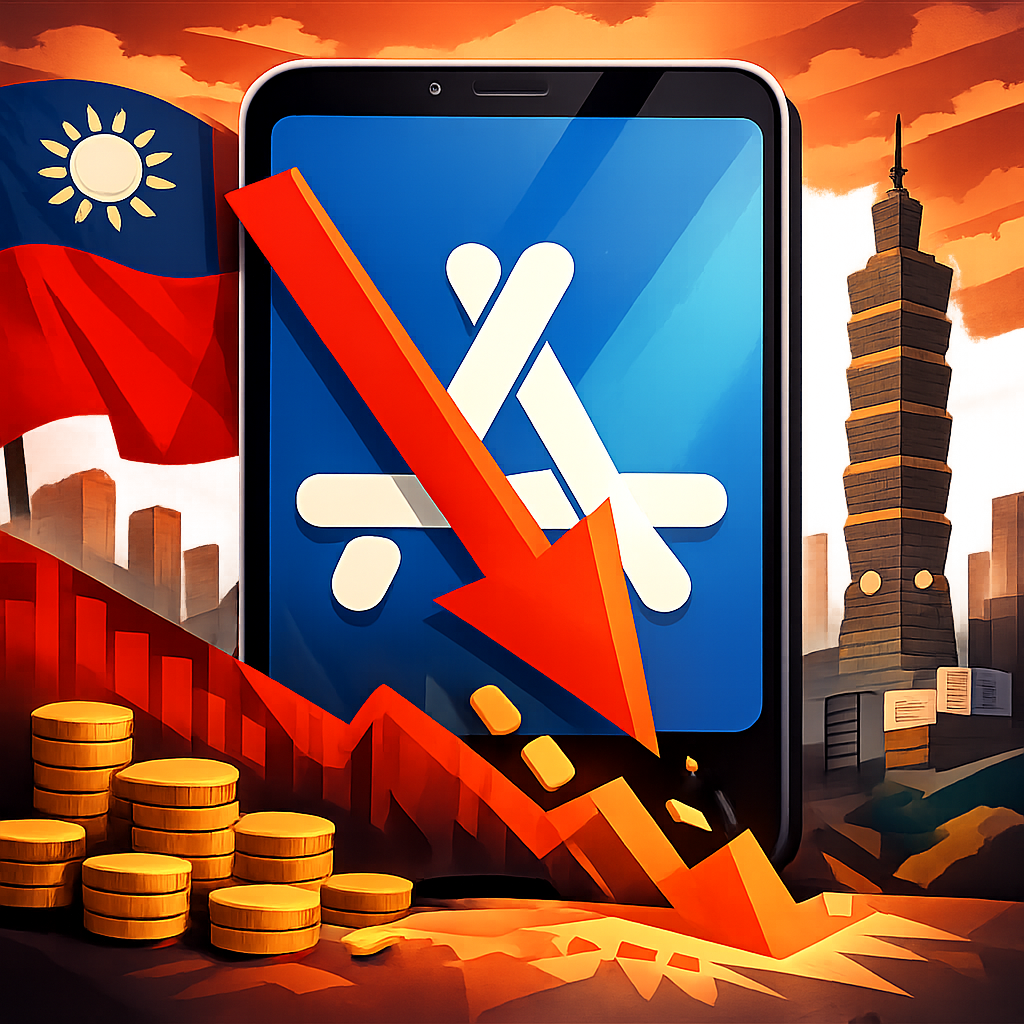
Apple has announced a reduction in its standard commission rate for the App Store in Taiwan, lowering it from the traditional 30% fee to 26%. The change, formally triggered by ongoing discussions with Taiwan’s Fair Trade Commission, applies to paid apps and in-app purchases across iOS and iPadOS. The new rate will take effect on October 31, 2026.
Terms, timing, and what developers need to know
Starting this Saturday, developers in Taiwan will benefit from the reduced commission without needing to take any action to qualify. The company clarified that signing the updated licensing agreements by the effective date is not mandatory to receive the lower rate. Apple has also updated its Apple Developer Program License Agreement to reflect the new terms. Translations of the revised agreement are expected within one month.
This move is one in a broader pattern: Apple has been adapting its App Store policies in various markets under regulatory pressure. In jurisdictions like Japan and Brazil, changes have included introducing third-party payment options and revising commission structures. In the European Union, recent adjustments to fee and business terms were made in response to compliance requirements from the Digital Markets Act. Meanwhile, Australia has faced rulings mandating Apple to allow alternative app distribution and payment paths; in South Korea, regulators imposed fines and ordered policy overhauls involving commissions and app review practices.
Context and local enforcement
Taiwan’s Fair Trade Commission has been engaging with Apple over its App Store operations, including fees and payment policies. The local regulatory body’s scrutiny follows a global trend of authorities reexamining the competitive impact of app store monopolies. Taiwan’s enforcement appears more targeted: rather than broad structural changes, this intervention results in a tangible, though modest, commission cut.
Developers in Taiwan should prepare for the cut to help manage pricing and revenue forecasts, especially for smaller-scale or niche apps with tighter margins. Apple’s compliance in this case demonstrates ongoing vulnerability to regulatory pressure around App Store money flows and ecosystem control.
Looking ahead, the efficacy of Taiwan’s action will depend on whether this rate cut satisfies ongoing or future regulatory demands. If local authorities press further—on issues like payment alternatives, app market openness, or equal enforcement—Apple may face additional obligations. For consumers, the direct impact may be limited; for developers, however, even a 4-point commission reduction can shift revenue calculations meaningfully.