Apple has been ordered to shell out an extra $184 million in interest following its loss in a patent infringement dispute with health tech firm Masimo. The original judgment found Apple used Masimo’s low-power pulse oximetry technology without a license and ordered the company to pay $634 million in damages. With the added interest, the total now surpasses $800 million.
Background: The Fight Over Pulse Oximeter Tech
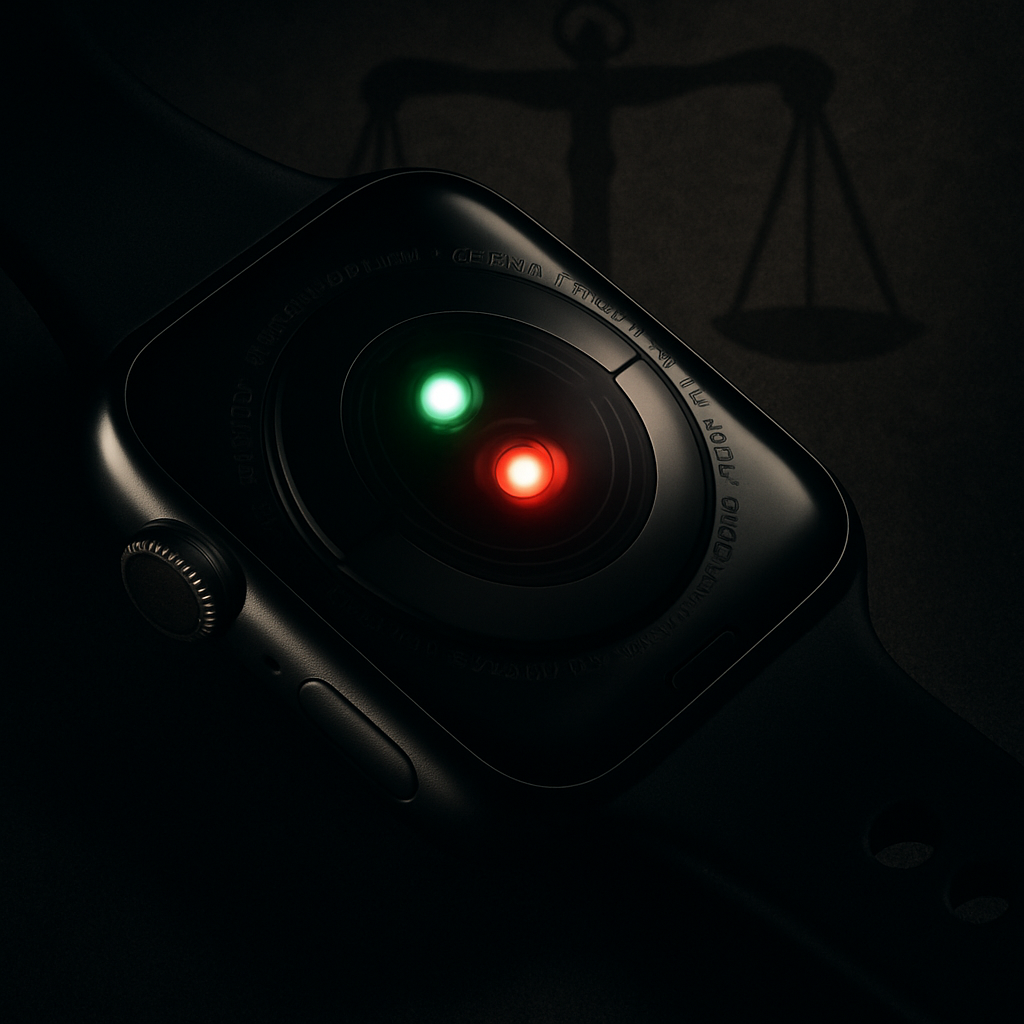
The dispute centers around Masimo’s patented method for measuring blood oxygen levels with minimal energy—something especially crucial for devices that must balance precision with extended battery life. Apple initially ran into trouble when the U.S. International Trade Commission ruled that certain Apple Watch models had to have their blood oxygen (SpO₂) feature removed in 2023. Apple ultimately tweaked the feature’s implementation to continue selling the watches in the U.S.
Parallel to that regulatory issue, Masimo sued Apple for using its patented low-power pulse oximeter tech without permission. A judge later agreed, handing down damages intended to reflect what Apple should have paid Masimo under a licensing agreement.
The New Ruling & Its Financial Toll
Judge James V. Selna has now ruled that Apple owes an additional $184 million in interest on top of the $634 million it already must pay. The interest accounts for the time since Apple should have begun licensing Masimo’s patent rather than using the tech without authorization.
Apple pushed back on that interest fee, arguing it would unfairly benefit Masimo. However, the judge rejected that argument. He instead followed precedent from the U.S. Supreme Court, stating that interest owed from when royalties should have been paid is part of making the patent holder whole.
Masimo had requested an interest rate of 7%, but the court declined. Instead, it ordered a rate based on Masimo’s own borrowing costs—which still increased the total owed significantly due to annual compounding.
With this judgment, Apple’s legal liabilities in this case exceed the $800 million mark. The financial blow reflects both the core infringement ruling and the often-overlooked burden of delayed royalty obligations.
This case highlights the ongoing complexities tech companies face when integrating third-party innovations—especially in health sensors and features. As wearable tech becomes more sophisticated, patent rulings like this one underscore the stakes for both IP owners and device makers.
What this means: For Apple, the ruling will impact its financials and may raise concerns among investors over patent exposure. Masimo scores a significant win that strengthens its position in health-tech IP. Going forward, manufacturers designing features like pulse oximeters must tread carefully—not only around patent licensing but also around the timing of when royalties should begin accruing.