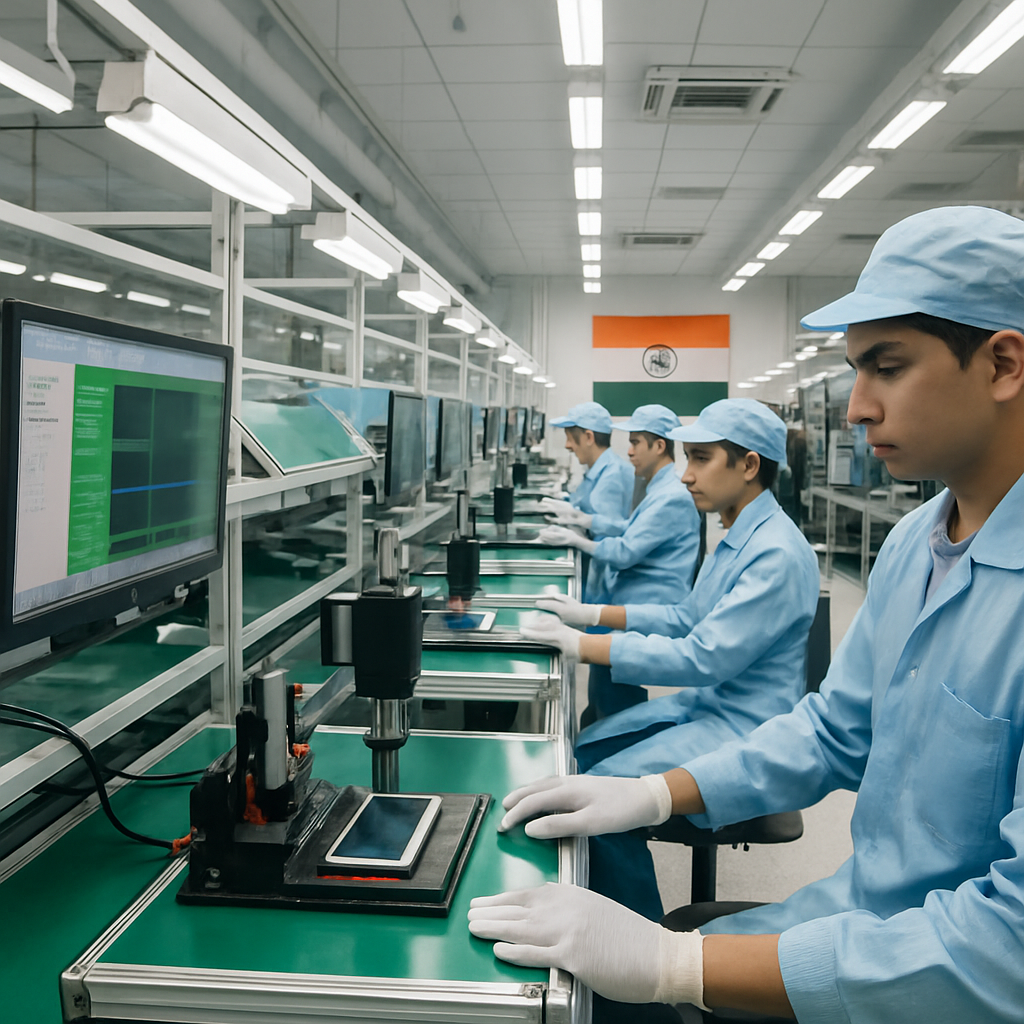
India is intensifying its efforts to attract foreign investment in electronics manufacturing by proposing an extension of tax exemptions on imported machinery and components until 2041. This move is particularly advantageous for companies like Apple, which have been expanding their production footprint in the country.
In February, India introduced a tax exemption aimed at foreign firms, following lobbying efforts from Apple. The tech giant sought relief from taxes on iPhone manufacturing equipment it owned and supplied to its contract manufacturers in India. The proposed extension of this exemption underscores India’s commitment to becoming a global hub for electronics production.
Apple’s manufacturing partners, including Foxconn and Tata Electronics, have significantly increased iPhone assembly in India. In 2025, approximately 55 million iPhones were produced in the country, marking a 53% increase from the previous year. This surge reflects Apple’s strategy to diversify its supply chain and reduce reliance on China.
India’s government has been proactive in creating a favorable environment for electronics manufacturing. In July, it eliminated import duties ranging from 5% to 7.5% on key smartphone components, such as wireless charging modules and lithium-ion cells. These exemptions are set to remain in effect until March 31, 2029, further enhancing the cost competitiveness of manufacturing in India.
The extension of tax exemptions until 2041 is expected to provide long-term policy stability, encouraging companies to invest in local production facilities. This aligns with India’s ambitious goal of expanding its electronics manufacturing industry to $500 billion by the fiscal year 2030.
For Apple, the extended tax benefits could lead to increased investment in Indian manufacturing, potentially resulting in more localized production and reduced costs. This development also positions India as a key player in the global electronics supply chain, offering an attractive alternative to traditional manufacturing hubs.
As India continues to implement policies that favor foreign investment in manufacturing, it is likely to see sustained growth in this sector. Companies like Apple stand to benefit from these incentives, which could lead to a more diversified and resilient global supply chain.