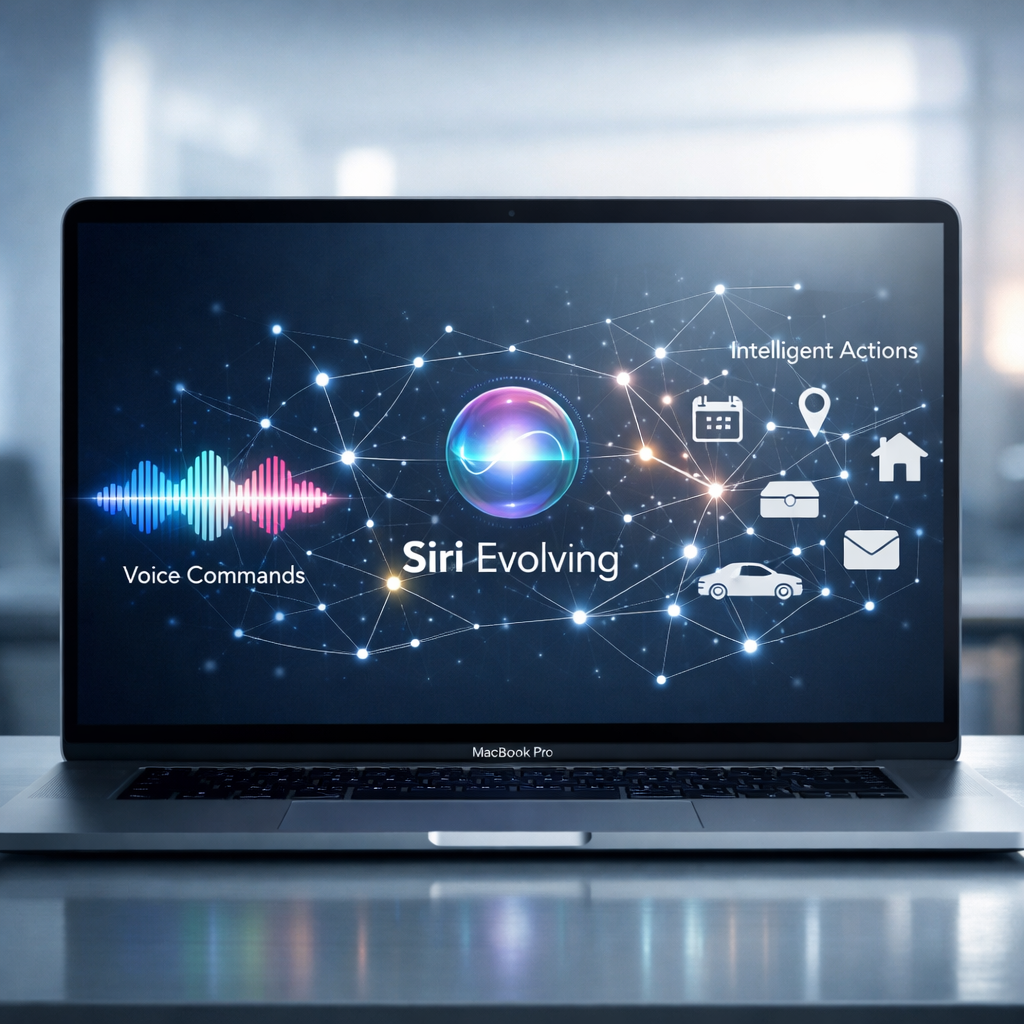
At Apple’s Q4 2026 earnings call, CEO John Ternus painted a future where Siri AI isn’t just an assistant to follow commands—it’s a platform being built to think, anticipate, and act. The version of Siri just released is only the first step in a broader plan, and Apple’s leadership is openly discussing agentic capabilities as the next frontier.
Requests now. Autonomy ahead.
Currently, Siri AI works on a written request-based model. Users ask, and Siri delivers. But Ternus said that behind those capabilities lies a new foundation—called an orchestrator-driven architecture—designed for growth and flexibility. It’s the kind of structural shift that suggests Apple envisions a Siri that can eventually initiate tasks on its own, rather than just serving in response to user prompts.
Where Apple sees opportunity
Ternus spelled out that agentic features—Siri performing actions proactively—are “promising tools” but will only ship in ways that protect user security and privacy. That statement hints at Apple balancing innovation with its long-standing emphasis on privacy. He reiterated that Apple believes its devices offer a uniquely strong platform for AI, with protections built in that others may not deliver.
Monetizing Siri’s evolution
Analysis from the call revealed that as Apple layers new capabilities onto Siri AI, it’s also eyeing ways to monetize them. Earlier discussions had flagged plans to charge fees for expanded usage limits or advanced functionalities under the umbrella of “Apple Intelligence.” As Siri AI evolves, expect parts of it to shift from being free features to premium services.
Recent momentum
The new Siri architecture has already delivered fledgling improvements. iOS 27.2, released the week before the earnings call, shows that Apple is iterating quickly. Ternus’ tone made it clear that Siri AI is no longer a passive product; it’s an active focus with continuous updates on the horizon.
Apple historically lagged on creating truly intelligent, proactive voice assistants. With this orchestrator setup and talk of agentic capability, the company might be catching up—or even leapfrogging competitors. But the challenge will be delivering useful autonomy without compromising the strong security and privacy promises Apple has built its reputation on.