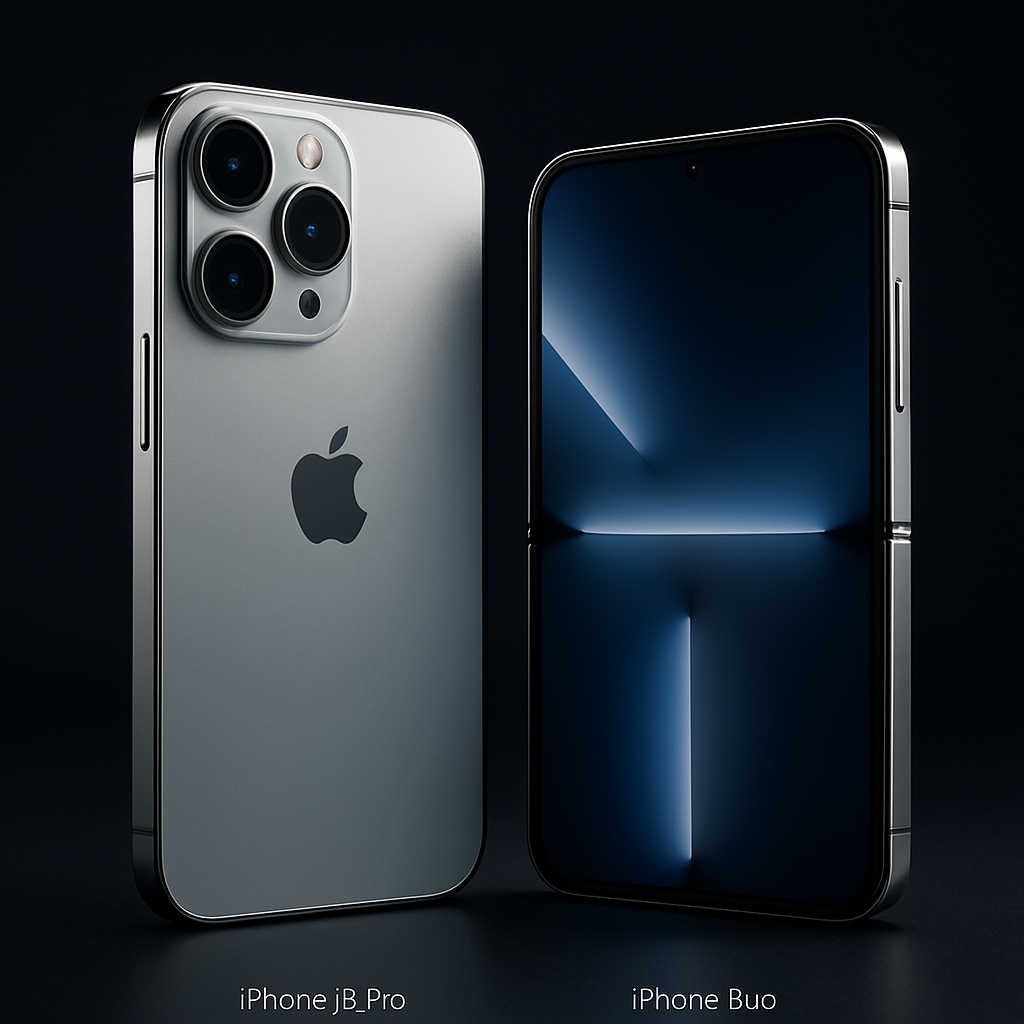
Apple is projected to be the only major smartphone brand increasing shipments in 2026—even as the global market slides roughly 14%. A recent analyst note from GF Securities forecasts a 4% year-over-year rise for Apple’s sales, bringing its total to about 257 million units. During the same period, Samsung is expected to hover around 241 million units, showing little change from 2025. Apple’s market share could climb to 24%, up from 20% in 2025 and 19% in 2024, while overall industry shipments are anticipated to fall to approximately 1.08 billion units. The key factors dragging down the market include soaring memory costs, which are pushing up manufacturing expenses and leading many rivals to trim shipment plans.
Even as Apple appears to outperform its competition globally, challenges loom for two of its newest high-end lineups: the iPhone 18 Pro/Pro Max and the iPhone Duo. Sources suggest the iPhone 18 Pro series hasn’t inspired the excitement Apple might have hoped for, with detractors pointing to complaints about its weight and hesitation around its highly advertised adjustable-aperture camera. Similar issues are pressing the iPhone Duo, where production constraints—specifically limited hinge manufacturing—are pulling down planned output. GF Securities has reportedly adjusted its build plans: shrinking the 2026 production for the iPhone Duo from 7 million to around 6 million units, and dialing back iPhone 18 Pro/Pro Max production to approximately 72 million units due to the complexities of its new camera system.
Pre-orders for the iPhone Duo began this week, but availability is already pushing into late January in the U.S., with delays appearing even longer in other countries. On the financial front, despite the strong projections, Apple’s stock retains a “Hold” rating, with a target price suggested at $369. At the time of the note, shares were trading near $343.46—marking a slight day’s gain and standing out as one of the few tech stocks to close in the green amid recent sector-wide declines.
Why These Dynamics Matter
The smartphone market is facing one of its toughest stretches in recent memory. Massive hikes in memory chip prices are squeezing margins across the board, moderating both production capacity and pricing power for many manufacturers. In that setting, Apple’s ability to not only hold but potentially grow share suggests significant advantages—whether in supply chain robustness, brand strength, or economies of scale.
That said, the iPhone 18 Pro/Pro Max and iPhone Duo are operating in a tricky zone. Heavy criticism of design decisions—like weight—and technical hurdles, especially for novel features like adjustable apertures or sophisticated folding mechanisms, can erode consumer enthusiasm. Delayed shipments complicate matters even further, potentially impacting customer satisfaction and momentum going into key sales periods.
What this means: Apple is likely to emerge from 2026 structurally stronger relative to its rivals—but not unscathed. The gains in market share and inventory control will bolster its position, though the missteps or underperformance of the 18 Pro and Duo could blunt the upside. Watch for how quickly production bottlenecks ease, how consumers respond during the holiday season, and whether Apple can sustain its growth into 2027 in spite of continuing component cost pressures.