Apple’s ‘Ultra’ Branding: A Strategic Move for Premium Product Differentiation
Recent reports suggest that Apple is poised to expand its ‘Ultra’ branding across a broader spectrum of its product lineup, potentially introducing models like the iPhone Ultra and MacBook Ultra. This strategic shift appears to be a calculated effort to cater to consumers seeking premium devices that blend cutting-edge technology with sleek design.
The Evolution of ‘Ultra’ Branding
Apple’s foray into the ‘Ultra’ category began with the Apple Watch Ultra, a model that set a new standard for durability and advanced features in the smartwatch market. Building on this foundation, the company is reportedly planning to extend the ‘Ultra’ designation to other flagship products, signaling a commitment to offering top-tier devices across its portfolio.
iPhone Fold Transitions to iPhone Ultra
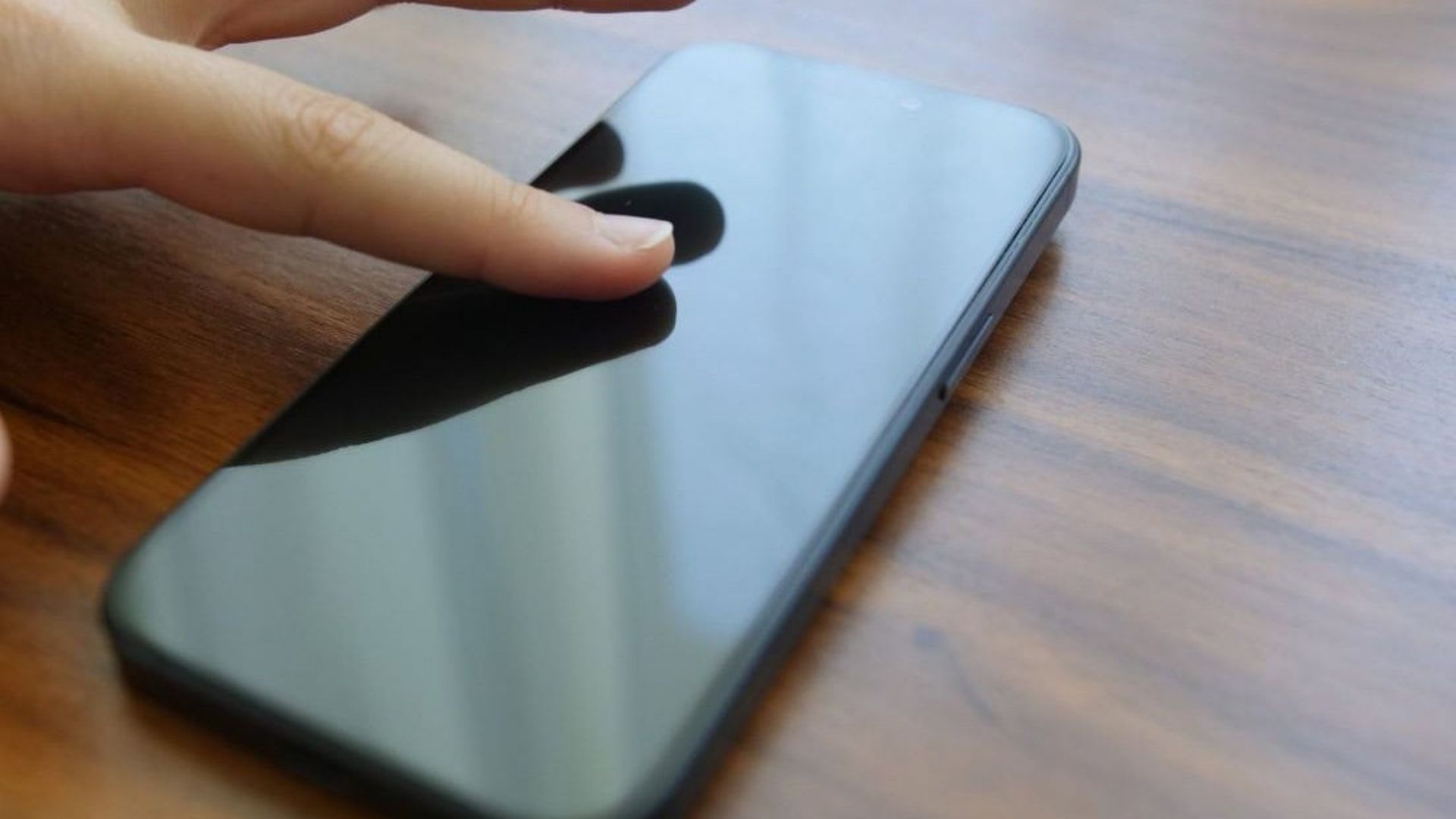
The anticipated foldable iPhone, initially referred to as the iPhone Fold, is now rumored to adopt the ‘iPhone Ultra’ moniker. This rebranding aligns with insights from industry analysts like Bloomberg’s Mark Gurman, who have indicated that Apple aims to position this device as the pinnacle of its smartphone offerings. The ‘Ultra’ label is expected to denote a fusion of innovative design and superior performance, appealing to consumers desiring the latest advancements in mobile technology.
MacBook Pro’s Evolution to MacBook Ultra
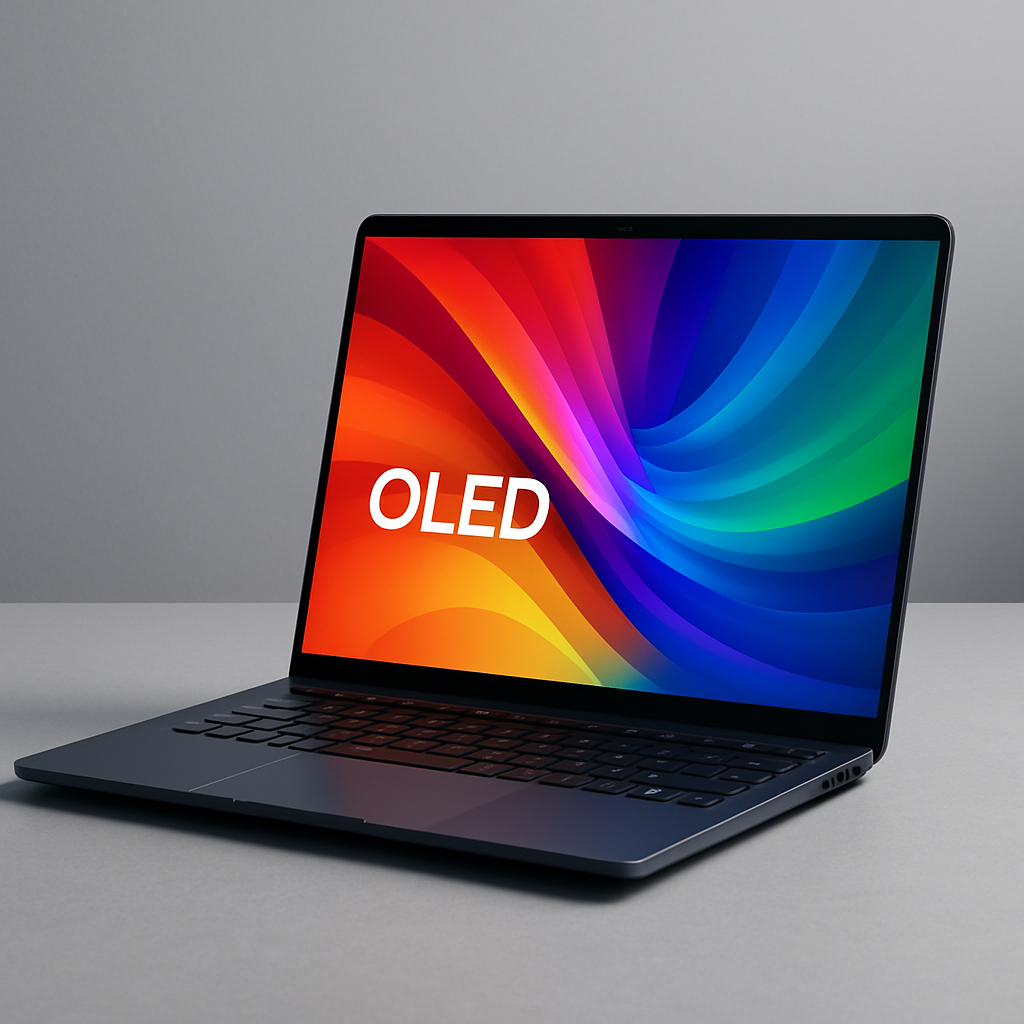
Similarly, the forthcoming M6-powered MacBook Pro is anticipated to undergo a transformation into the MacBook Ultra. This model is projected to feature an OLED display and a comprehensive redesign, emphasizing a more streamlined and elegant form factor. By introducing the ‘Ultra’ branding to its MacBook line, Apple appears to be targeting professionals and power users who prioritize both aesthetics and high performance in their computing devices.
Strategic Implications of the ‘Ultra’ Expansion
Apple’s expansion of the ‘Ultra’ branding reflects a strategic initiative to diversify its product offerings and cater to a broader range of consumer preferences. Historically, the company has experimented with various models to identify the optimal balance between functionality and design. The introduction of the iPhone Air, for instance, marked an attempt to offer a device that combines lightweight design with robust capabilities. While the iPhone Air received mixed reactions, it underscored Apple’s commitment to exploring new product categories.
The MacBook Neo serves as another example of Apple’s successful product diversification. This model has been well-received, indicating that there is a market for devices that offer a blend of performance and portability. The potential introduction of the MacBook Ultra suggests that Apple is keen on further segmenting its laptop offerings to meet the varied needs of its user base.
Consumer Benefits and Market Positioning
For consumers, the ‘Ultra’ branding signifies a tier of products that offer the best of Apple’s technological innovations and design philosophy. These devices are likely to feature the latest hardware advancements, superior build quality, and exclusive features that set them apart from standard models. This approach not only enhances the user experience but also allows Apple to justify premium pricing for these high-end devices.
From a market perspective, the introduction of ‘Ultra’ models enables Apple to compete more effectively in the premium segment, where consumers are willing to invest in top-of-the-line technology. By clearly delineating its product tiers, Apple can attract a diverse customer base, ranging from those seeking affordable options to enthusiasts desiring the most advanced devices available.
Conclusion
Apple’s rumored expansion of the ‘Ultra’ branding to products like the iPhone and MacBook represents a strategic move to cater to the growing demand for premium devices that offer both exceptional performance and sophisticated design. This initiative not only aligns with the company’s legacy of innovation but also positions it to meet the evolving preferences of its diverse customer base.