Apple has snapped up Sonera, a developer of a magnetic-sensor wearables company that uses technology once relegated to science fiction. The acquisition comes to light via an EU filing tied to the Digital Markets Act, which requires certain Apple acquisitions be disclosed publicly. Sonera’s core tech revolves around chip-based sensors capable of reading neural activity through the magnetic fields generated by electrical signals in the brain. It’s a non-invasive approach that sidesteps surface contact with skin while promising insights into thoughts, emotions, muscle movements, and physiological states.
How Sonera’s Tech Works
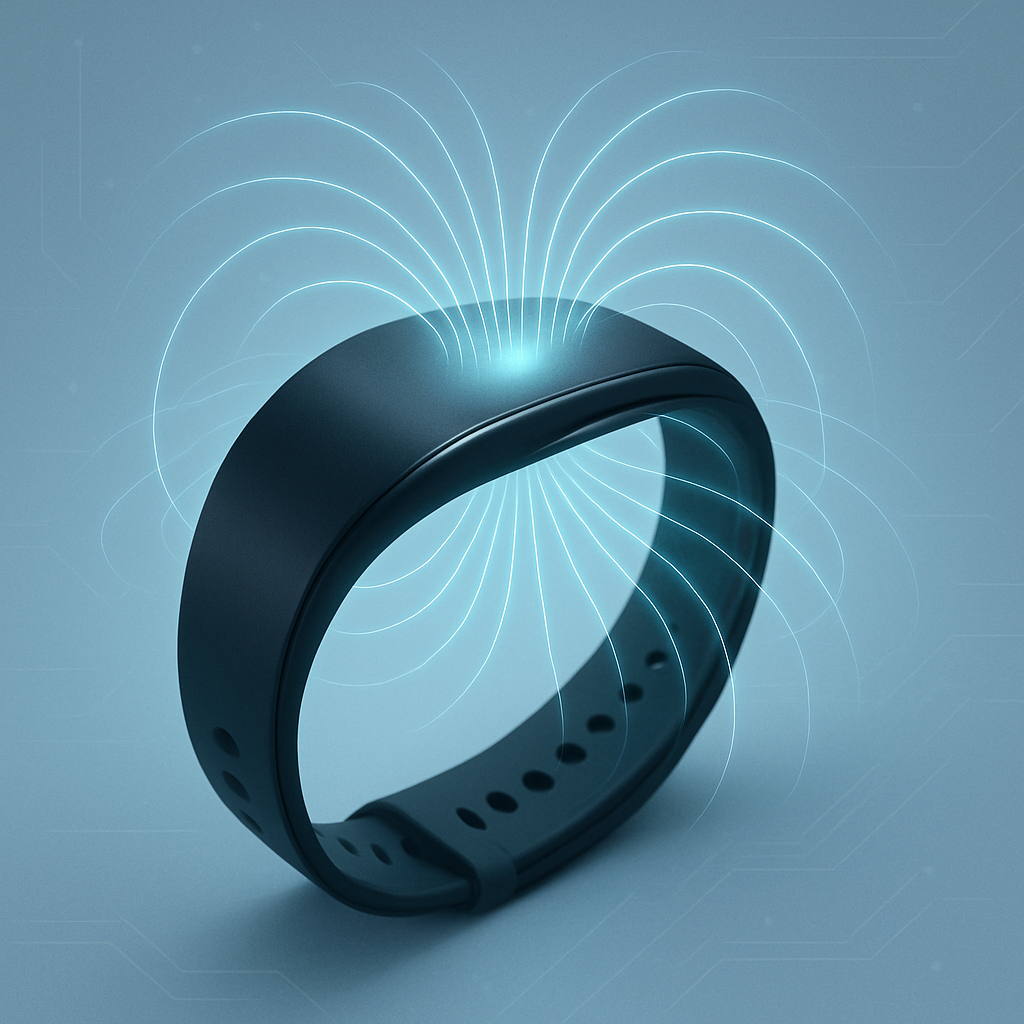
Sonera developed a sensor system that detects the magnetic fields produced by electrical currents inside the brain, rather than measuring electrical signals directly from the surface of the skin. That means the system can ostensibly offer readings of brain activity, mood, and motor-control signals in a novel way. Accompanying the tech is what the company calls an “S1 chip,” designed to support this sensing modality and enable wearables to track not just brainwaves, but muscle activity and physiological cues.
Where Apple Might Be Heading With It
While it’s not clear how far Sonera has pushed actual working prototypes since their 2023 announcements, the underlying tech fits squarely into Apple’s growing wearables strategy. As Apple expands its fitness, health, smartwatch, and augmented (or mixed) reality offerings, tools that can non-invasively monitor neural activity could become differentiators. The marriage of wearables and AI could yield devices that don’t just track steps or heart rate, but anticipate moods, intent, stress, or cognitive load.
Regulations like the EU’s Digital Markets Act are increasingly making Apple’s quieter acquisition naming public, spotlighting how far ahead these engineering bets can be. Sonera’s public rollout of its capabilities in 2023 detailed the ability to measure muscle and physiological signals without skin contact and to derive insights into thoughts and emotions.
For Apple, this could signal future products—perhaps a next-generation Apple Watch or headset—that strain less on batteries, simplify sensors, and reduce hardware complexity by detecting brain and muscle activity in ways traditional sensors can’t. It also raises privacy, safety, and regulatory questions, since reading brain signals is sensitive technically, ethically, and legally. Apple will need to tread carefully.
This isn’t the first time Apple has explored advanced sensing. The company has invested in health-focused sensors for heart, oxygen, etc., and deeply into AI and wearable software. Adding neural magnetic field sensing could be the next leap—if it delivers accurate, reliable, and safe data in real-world scenarios. Apple’s path from patent to polished product is long, but this acquisition suggests where it sees the future: wearables built not just for activity or fitness, but for brain-aware computing.