Apple is expanding its domestic manufacturing footprint through new and enhanced partnerships to produce both titanium iPhone exteriors and advanced camera tech. Under its American Manufacturing Program (AMP), the company is working with several U.S. firms to bring more iPhone parts production stateside—especially for the iPhone Duo’s titanium enclosure and the iPhone 18 Pro’s variable aperture camera.
Domestic Titanium: iPhone Duo’s New Partner
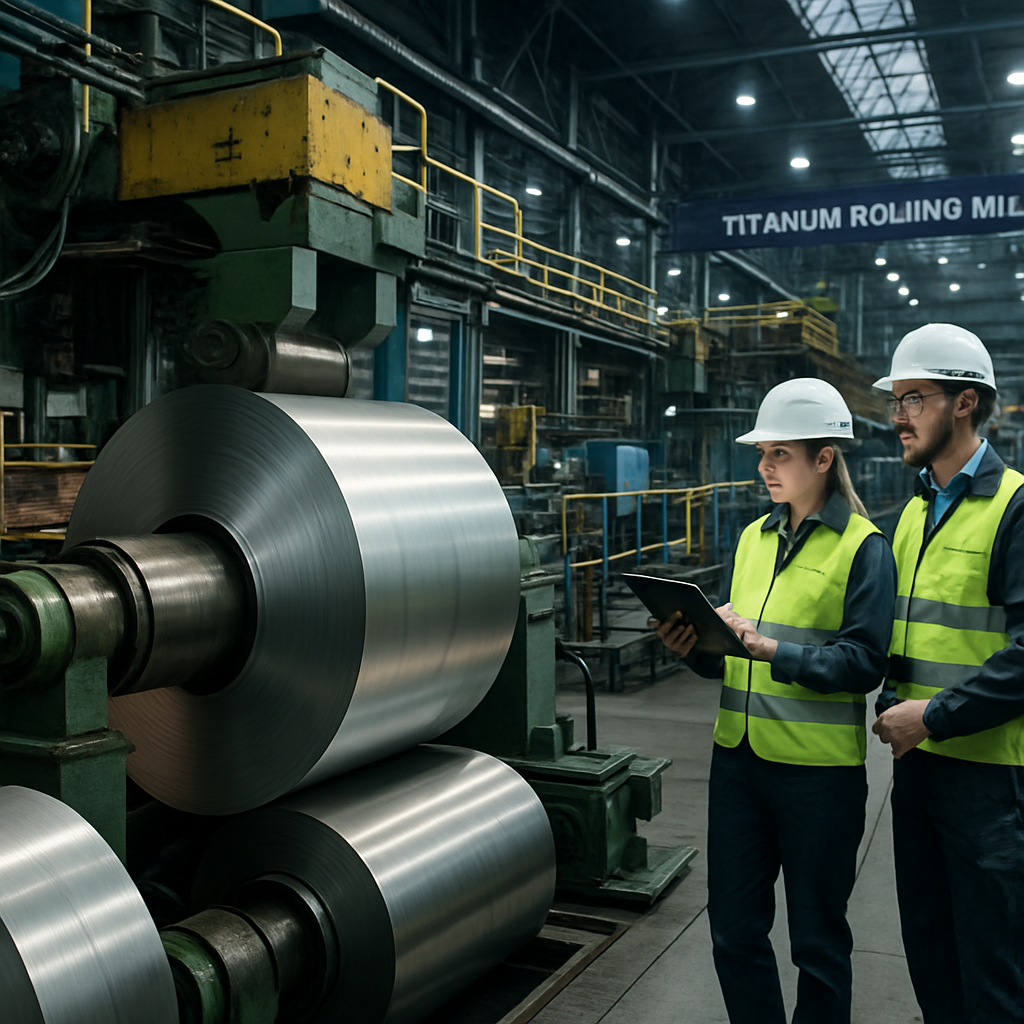
In Pennsylvania, Apple has formed a fresh collaboration with The Perryman Company, a titanium producer whose output will serve as the casing material for the iPhone Duo and unspecified future products. The titanium used will have at least 80% recycled content. Over the next three years, Apple will invest up to $100 million into Perryman to scale titanium melting, forging, and rolling operations. This builds out AMP’s mission to localize supply chains and foster materials innovation.
Camera Upgrades From Qnity Electronics
In Delaware, Apple has expanded its work with Qnity Electronics to help deliver the variable aperture camera system that’s debuting in the iPhone 18 Pro. This enhancement allows finer control over light intake, improving performance under varied lighting conditions—a high-end photography feature previously seen only in top-tier mirrorless and DSLR cameras.
Broader Manufacturing Landscape
Apple claims AMP already touches every U.S. state, supporting more than 450,000 American jobs. The company reports nearly 100 components used in the iPhone Duo and iPhone 18 Pro are being made in the U.S., ranging from Corning’s Kentucky facility producing the Ceramic Shield glass to Broadcom’s RF components in Colorado. In Texas, Coherent supplies elements for Face ID and Dynamic Island functions. Processor chips will be handled by TSMC’s Arizona plant, which is projected to produce over 100 million chips for Apple through the end of 2026. Additionally, Amkor Technology is constructing a packaging and testing site in Peoria.
These developments follow Apple’s initial $500 billion U.S. manufacturing pledge in 2025, which has since been increased to $600 billion over a four-year span. The Perryman deal, the Qnity expansion, and more local component deals are part of that investment wave.
Why this matters : increasing in-country production helps mitigate supply chain disruptions and regulatory risks, while also allowing Apple to lean into sustainable sourcing—like using recycled titanium—and precision engineering for flagship camera tech. As AMP’s partner network widens, watch for impacts not just on employment and regional economies, but also on the pace of innovation and feature rollout in upcoming iPhones.