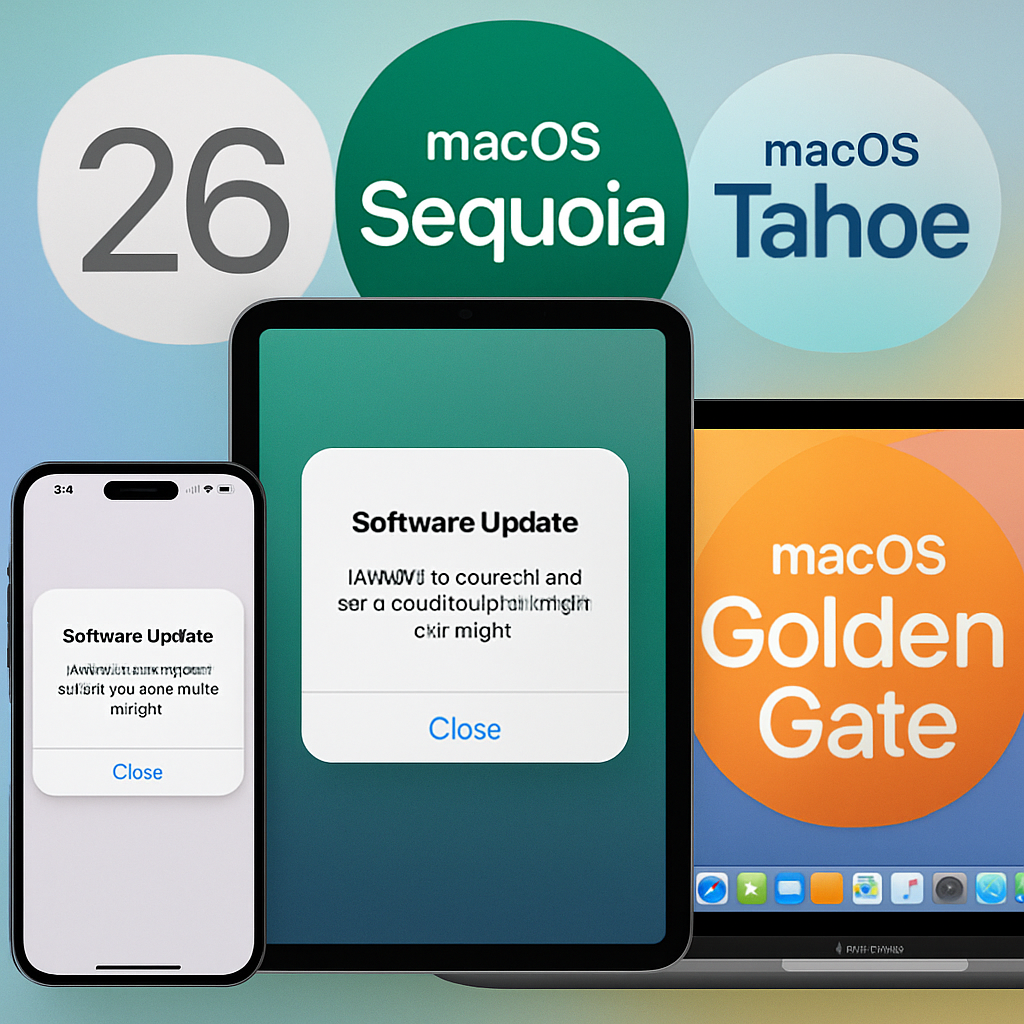
Just as Apple begins the public rollout of its newest Apple OS generation—iOS 27, iPadOS 27, and macOS Golden Gate—it hasn’t left devices on previous versions high and dry. The company has released important updates for iOS 26, iPadOS 26, macOS Sequoia, and macOS Tahoe, ensuring continued bug fixes, performance tweaks, and security enhancements. Even as the spotlight turns to new features in the latest release, these updates underline Apple’s commitment to supporting users who haven’t upgraded yet.
What’s Included in the Updates
The newly released OS builds carry the following version numbers: iOS 26.7 (build 23H24), iPadOS 26.7 (also build 23H24), macOS Sequoia 15.8 (build 24H23), and macOS Tahoe 26.7 (build 25G229). These updates don’t introduce major feature additions. Rather, most changes are under-the-hood: addressing stability concerns, resolving bugs, and applying patches—especially in critical areas like security.
Why These Updates Matter
Major OS upgrades like iOS 27 often receive lots of attention thanks to headline features and interface changes. Meanwhile, many users either can’t—due to hardware limitations—or choose not to upgrade immediately. By keeping older versions like iOS 26 and macOS Sequoia/Tahoe current, Apple helps protect a wider swath of its user base against vulnerabilities and smooths ongoing software performance. These updates are particularly important in enterprise or educational settings where device upgrades happen more slowly.
Apple has hinted that as attention shifts toward Apple OS 27 and its features, older versions will naturally receive fewer consumer-facing changes. But updates focused on performance, stability, and security will continue to be published to ensure ongoing functionality and safety.
Bottom line: If you’re still using iOS 26, Sequoia, or Tahoe, installing these updates makes sense—not for shiny new features, but for keeping your device secure and reliable.
These latest releases don’t come as a surprise, but rather confirm Apple’s strategy: offering extended support for older operating systems even while rolling out major upgrades. They’ll matter most for users who delay upgrading, and for any who prioritize stability and security over new features—expect Apple to keep this approach for future transitions too.