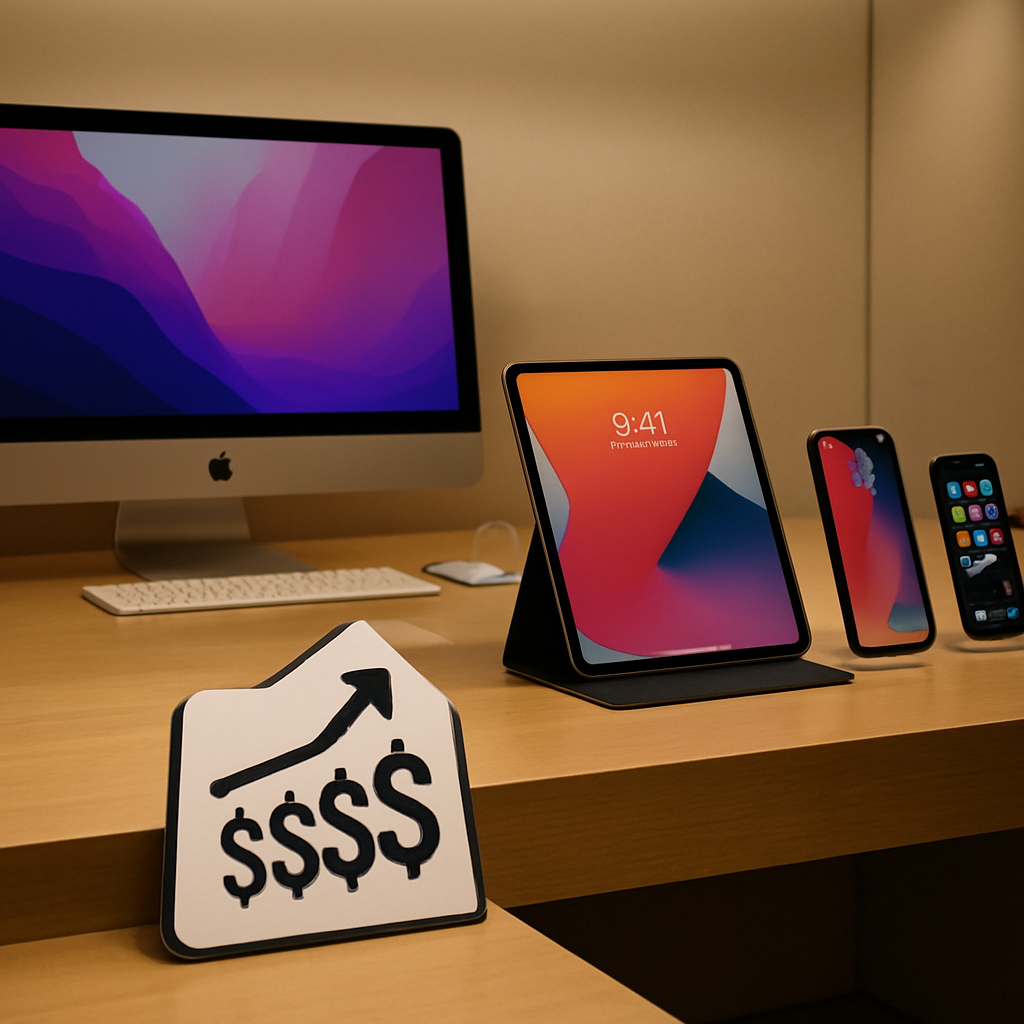
Apple products have already become pricier this year, and industry signals suggest another round of widespread increases may be coming before March 2027. Supply chain pressures, especially for AI-driven demand and memory shortages, are squeezing manufacturers—and Apple hasn’t been spared.
What’s Driving the Price Hikes?
Back in July 2026, Apple quietly raised the prices of its Macs and iPads. The launch of more expensive models—from screens to core components—reflected soaring costs across the industry. While the iPhone largely held steady at that time, the trend toward higher costs was already clear. For many Apple devices, this July shift marked a turning point when flat pricing could no longer be maintained.
The underlying issue? The global demand for AI-ready hardware. As AI servers and cloud infrastructure gobble up memory and solid-state components, the rest of the industry is left to deal with the fallout. Micron, a major supplier, now reports paying nearly twice as much for certain components as it did before, and says it expects supply constraints to get tighter through 2027 and 2028. These supply-and-demand imbalances have already begun showing up in Apple’s costs via contracts with GPU and chip fabricator TSMC and memory provider Micron.
Why Another Price Increase Before March Looks Likely
Leaders in Apple have acknowledged the challenge. Even as the former CEO likened the current chip shortage to a once-in-a-century flood, rising material costs and strained supply chains have stretched every mitigation strategy thin. One direct example: Apple is reportedly agreeing to pay up to $2 per gigabit of DRAM for 2027 hardware—a jump over recent pricing.
Meanwhile, TSMC’s own price increases (around 10%) are being absorbed by companies like Apple. With memory suppliers expecting AI firms to purchase the lion’s share of production capacity, regular consumer product costs are not just rising—they might stay at elevated levels indefinitely. AppleInsider metrics show that most memory and storage supply-demand conversations with customers now extend well into 2028, underlining how long these pressures are expected to last.
Given all that, timing is crucial. Analysts believe Apple won’t avoid another across-the-board price hike before the company completes its fiscal Q2 2027 (March). Prices for Macs, iPads, and likely even future iPhones are in the line of fire. Waiting for a promotional deal or the next hardware refresh risks facing a higher sticker price than even today’s inflated levels.
Importantly, once price levels adjust upward, there’s little incentive for them to drop back down. With demand staying strong and supply tight, flat or falling pricing isn’t expected. For those in the market now, the practical move is simple: if your needs are met by current models, buy now.