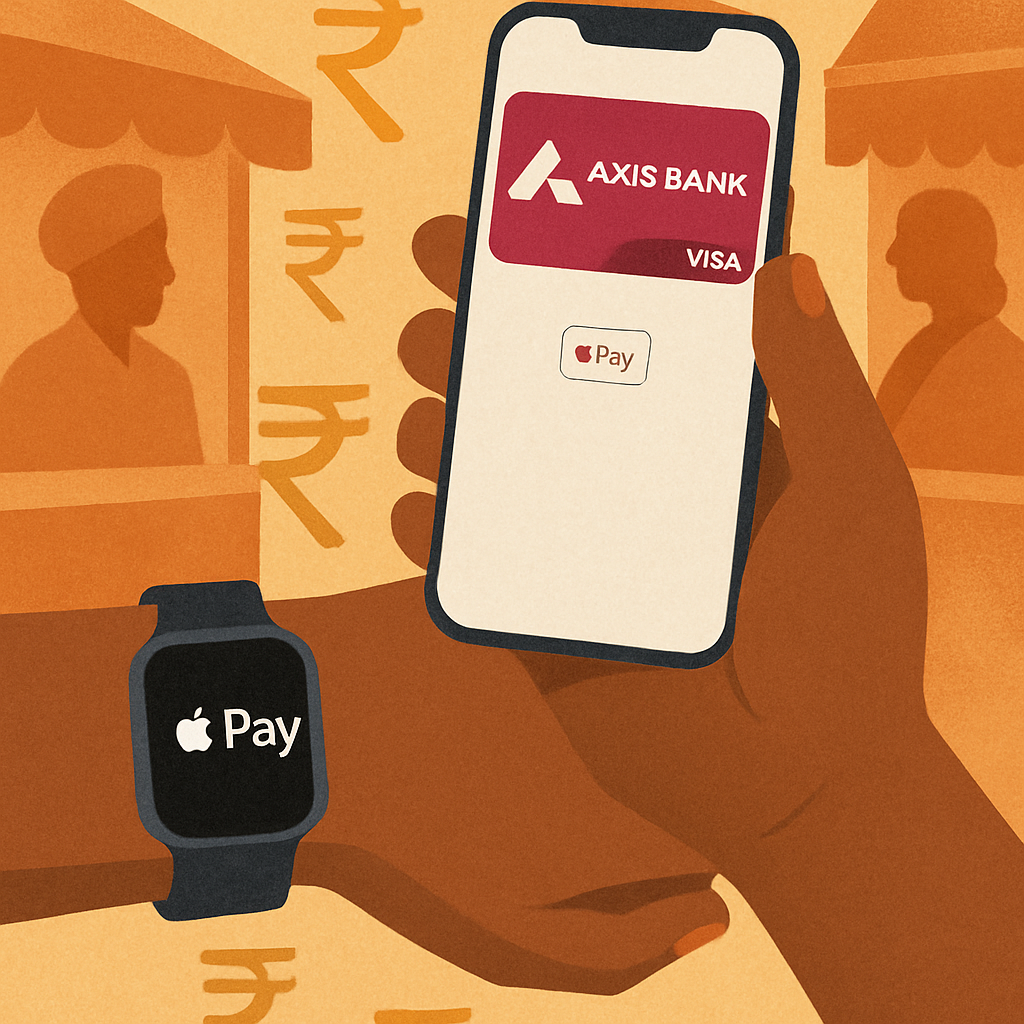
India now officially supports Apple Pay on iPhone, iPad, and Apple Watch—Mac integration is promised “soon.” The long-awaited launch comes after over nine years of complex negotiations over financial regulations and biometric ID requirements.
How Apple finally cleared the regulatory hurdles
Back in 2014 when Apple Pay debuted in the U.S., offering contactless mobile payments. India, though, proved a tough market. In 2017 Apple declared its intention to roll out Apple Pay in the country, but regulatory roadblocks—especially those around identity verification—persisted. Most notably, India’s 2022 laws required the use of the national Aadhaar system rather than Face ID, along with strict rules for recurring and online payments. These laws forced Apple to stop accepting cards entirely, pushing users toward UPI (Unified Payments Interface) for transactions.
The recent signs of movement began in early 2026, with rumors in January that Apple might finally be close to securing approval. By mid-2026, reports indicated that Apple was once again accepting credit and debit card payments, a key precursor to achieving full Apple Pay functionality.
What Apple Pay offers and what still needs to come
At launch, Apple Pay in India works with Visa and Mastercard credit cards issued by Axis Bank and will be accepted at millions of merchants nationwide. Networks like BillDesk, Cashfree, and Juspay are already onboard. The plan to bring full Mac support is still in motion but no date has been confirmed.
The rollout doesn’t just represent another country added to Apple Pay’s global map—it’s fresh territory for Apple’s payments service to adapt to one of the world’s most digitally-active yet regulation-heavy markets.
With India’s government pushing a cashless future and raising demands around privacy, payments, and identity verification, this move tests Apple’s flexibility. How well Apple balances its global identity standards (for example, Face ID/privacy frameworks) with local mandates (like Aadhaar enrollment or UPI preference) could have ripple effects in other markets with strong identity regulation.
Launching now not only opens significant market potential for Cupertino, but also signals its evolving strategy toward financial services in emerging economies. What to watch: how quickly Mac gets added, whether debit cards follow, and how smoothly payments work with recurring/subscription services under India’s rules.