Apple’s Cosmic Orange iPhone 17 Pro: A Bold Hue Faces Uncertain Future
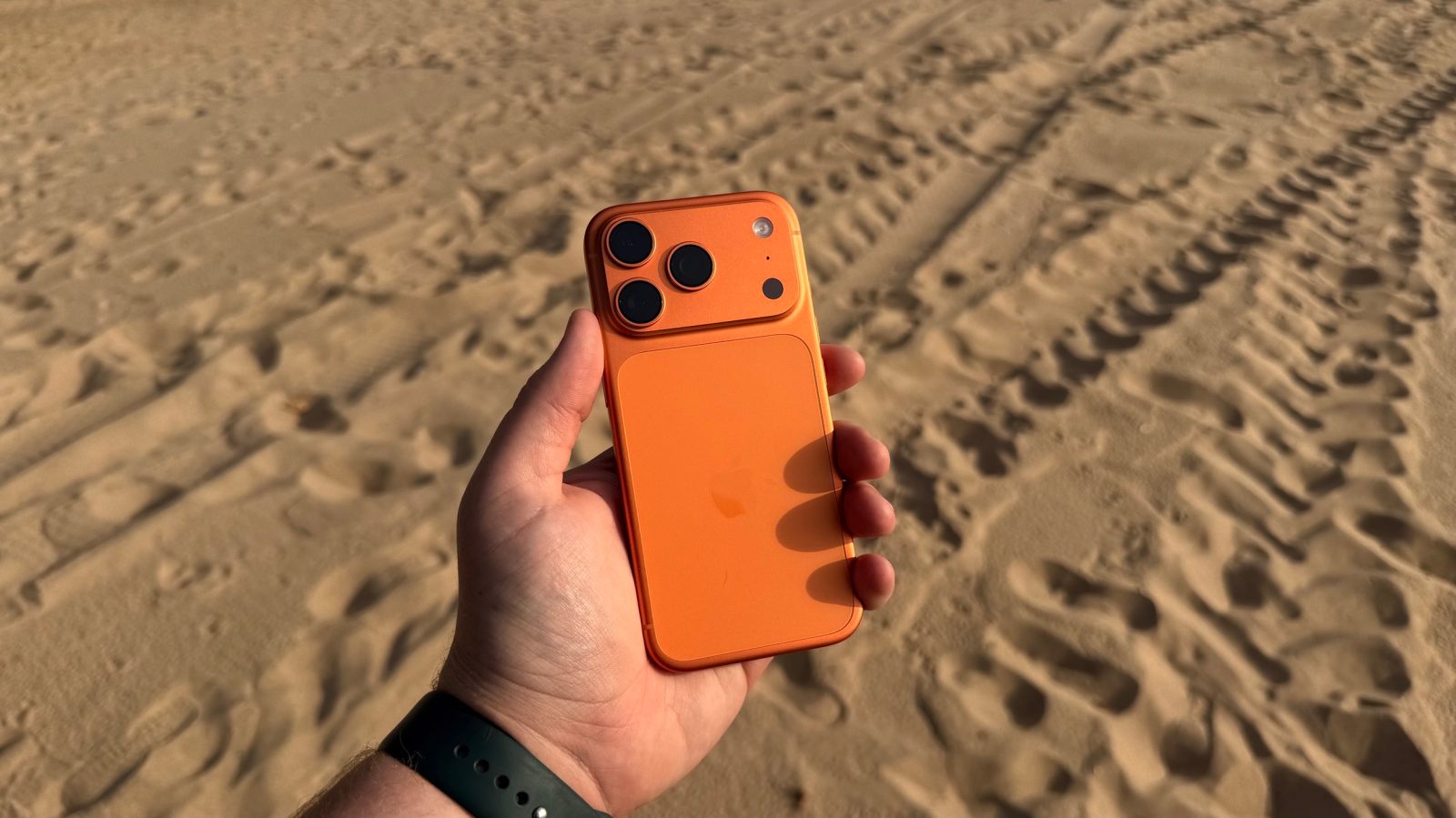
Apple’s introduction of the Cosmic Orange color for the iPhone 17 Pro in 2025 marked a significant departure from its traditional color palette. This vibrant hue not only captured consumer attention but also played a pivotal role in boosting iPhone sales, particularly in markets like China. However, recent reports suggest that this popular color may not be part of the upcoming iPhone 18 Pro lineup, leaving enthusiasts and industry observers speculating about Apple’s color strategy.
The Rise of Cosmic Orange
The iPhone 17 Pro’s Cosmic Orange variant was more than just a new color; it was a statement. This bold choice resonated with consumers seeking a distinctive and recognizable device. In China, the color’s resemblance to the iconic Hermès orange added to its allure, with many referring to it as Hermès orange rather than Apple’s official designation. This association with luxury and exclusivity contributed to the iPhone 17 Pro’s success in the region.
Analysts noted that the design refresh, including the introduction of Cosmic Orange, reinforced Apple’s status-symbol position in China by making the latest handsets more immediately recognizable as new and high-end. The color’s popularity was evident, with reports indicating that it was a significant factor in Apple’s record-breaking iPhone sales during the final quarter of 2025.
Speculations on Discontinuation
Despite its success, recent reports suggest that Apple may discontinue the Cosmic Orange color with the release of the iPhone 18 Pro. A report from Macworld indicates that a new dark cherry color will replace Cosmic Orange in the iPhone 18 Pro lineup. According to the report, the iPhone 18 Pro will be available in light blue, dark cherry, silver, and dark gray.
This potential shift aligns with Apple’s historical approach to color offerings. The company often introduces unique colors for each iPhone generation to maintain a sense of novelty and exclusivity. For instance, the iPhone 12 Pro featured Pacific Blue, the iPhone 13 Pro introduced Sierra Blue and later Alpine Green, and the iPhone 14 Pro came in Deep Purple. By rotating colors, Apple keeps its product lineup fresh and in tune with evolving fashion trends.
Consumer Reactions and Market Implications
The possible discontinuation of Cosmic Orange has elicited mixed reactions from consumers and industry analysts. Some argue that retiring the color could diminish the unique appeal that contributed to the iPhone 17 Pro’s success. Others believe that introducing new colors is essential for keeping the product line dynamic and appealing to a broad audience.
In the fashion world, colors come and go in cycles. What makes Cosmic Orange special for the iPhone 17 Pro is its uniqueness. If it were to persist through multiple generations, it could lose some of that allure. As the saying goes, it could even become stale.
The decision to discontinue a popular color like Cosmic Orange could also have implications for accessory manufacturers and third-party vendors who have developed products to match or complement the hue. Companies like Nomad have released accessories in Stellar Orange to cater to consumers seeking a cohesive aesthetic across their devices. A shift in color offerings may prompt these companies to adjust their product lines accordingly.
Looking Ahead: Apple’s Color Strategy
Apple’s color strategy has always been a blend of innovation and market responsiveness. By introducing bold colors like Cosmic Orange, the company taps into consumer desires for personalization and distinction. However, the tech giant also understands the importance of evolution and change to maintain consumer interest and market relevance.
As the iPhone 18 Pro’s release approaches, it remains to be seen whether Apple will indeed retire Cosmic Orange in favor of new hues like Dark Cherry. Regardless of the decision, Apple’s approach to color will continue to be a significant aspect of its product appeal and marketing strategy.