Apple’s Dominance in the Satellite-Ready Smartphone Market
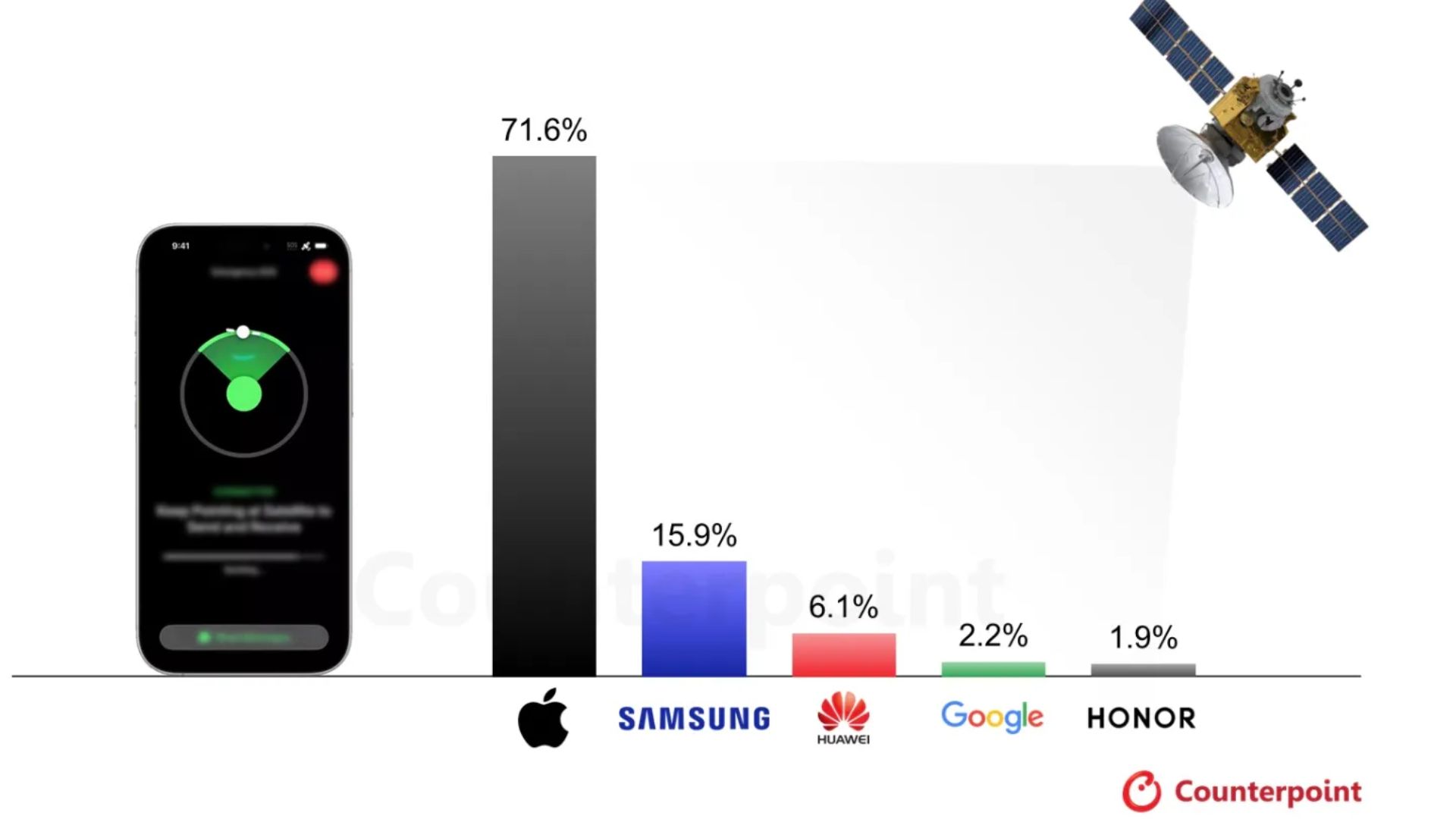
Apple has solidified its position as the leader in the global market for smartphones equipped with satellite connectivity. Recent analyses suggest that by 2030, nearly half of all mobile devices worldwide could incorporate this technology. Despite increasing competition, Apple maintains a significant lead, bringing satellite communication to a broader consumer base.
Pioneering Satellite Connectivity in Smartphones
Apple’s foray into satellite-enabled smartphones began in 2022 with a partnership with Globalstar, introducing emergency SOS features to its flagship iPhone lineup. This strategic move positioned Apple at the forefront of non-terrestrial network-capable devices. Samsung, leading the Android segment, has adopted a similar proprietary approach to provide connectivity in areas lacking traditional cell coverage.
Premium Segment Leading Adoption
Currently, the adoption of satellite connectivity is predominantly within premium smartphones. The technology’s primary applications—emergency messaging and basic location sharing—have yet to drive widespread adoption in mid-range and budget devices. Analysts anticipate that by 2030, approximately 46% of smartphones shipped globally will support some form of satellite communication.
Industry-Wide Efforts to Expand Satellite Connectivity
Recognizing the potential of satellite communication, other major smartphone manufacturers and chipset developers are striving to integrate this technology into their products. Companies like Qualcomm and MediaTek are developing new modems to enable satellite connectivity in a broader range of Android devices. Telecom giants such as AT&T and T-Mobile are also collaborating with satellite operators to provide direct-to-device satellite connections. Despite these efforts, Apple’s early entry and established partnerships have allowed it to maintain a comfortable lead in this emerging market.
Apple’s Broader Market Performance
Beyond satellite connectivity, Apple has demonstrated robust performance across various segments of the smartphone market. In 2025, the company produced nearly 240 million iPhones, matching Samsung’s output and sharing the top spot in global production. This achievement was driven by strong flagship launches, strategic pricing, and government-backed demand. The iPhone 17 series, in particular, contributed to a late-year surge in production, highlighting Apple’s ability to capitalize on market trends and consumer preferences.
Expanding Active User Base
Apple’s influence extends beyond production numbers. By 2025, the company claimed close to 25% of the active smartphone installed base worldwide. This growth underscores the brand’s strong user loyalty, extended software support, and a deep ecosystem that keeps users engaged over time. In contrast, the global active smartphone installed base grew by just 2% in the same period, indicating that Apple’s growth outpaced the broader market.
Leadership in Smartwatch and Earbud Markets
Apple’s dominance isn’t limited to smartphones. The company also leads the global smartwatch and true wireless stereo (TWS) earbud markets. In 2025, Apple Watch shipments grew by 8%, marking the first year-over-year increase since 2022. This growth was driven by a refreshed product lineup catering to a wide consumer base, from the affordable Watch SE 3 to the premium Watch Ultra 3. Similarly, Apple’s AirPods maintained a leading position in the TWS market, with a 21% market share, despite growing competition from Chinese brands.
Strategic Moves in Satellite Communication
Apple’s commitment to satellite connectivity is further evidenced by its 20% stake in Globalstar, the satellite company powering its Emergency SOS feature. This investment not only secures Apple’s access to satellite infrastructure but also positions the company strategically amid industry developments, such as Amazon’s interest in acquiring Globalstar. Any potential acquisition would require negotiations with Apple, highlighting the company’s significant influence in the satellite communication sector.
Conclusion
Apple’s proactive approach to integrating satellite connectivity into its devices has set a benchmark in the smartphone industry. By leading the charge in this emerging technology, the company not only enhances user safety and connectivity but also reinforces its position as an innovator in the tech landscape. As satellite communication becomes more prevalent, Apple’s early investments and strategic partnerships are likely to keep it at the forefront of this technological evolution.