Apple is planning a significant expansion of its smart-home efforts by overhauling its HomeKit platform. The company is developing broader ecosystem software designed to support new categories of connected products, including devices built to work with its freshly announced Siri AI-driven smart home system.
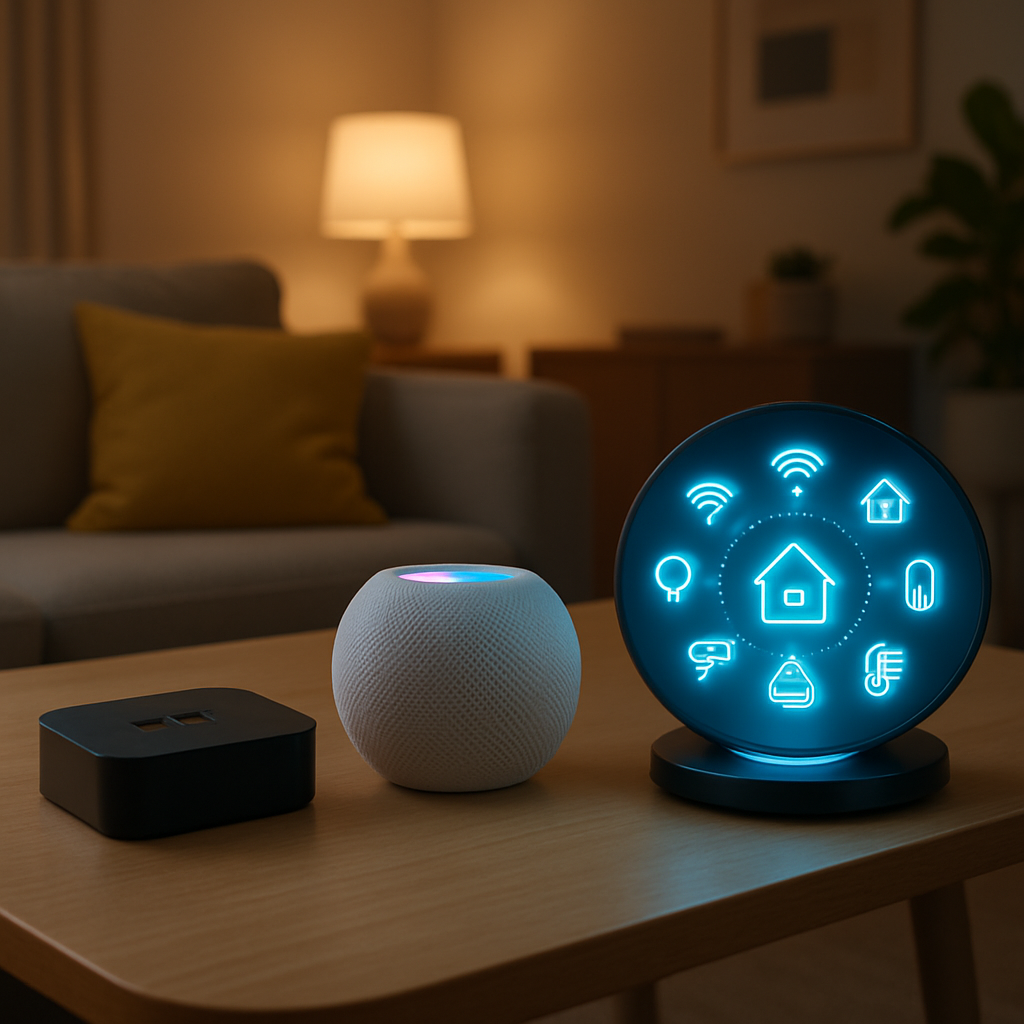
At the center of this push are three hardware launches expected on October 13, 2026: an updated Apple TV, a new HomePod mini, and a completely redesigned smart home hub. All three devices will integrate Apple’s latest smart home software, intended to better tie together HomeKit-compatible gadgets across different types of home automation.
What’s Changing with HomeKit
The HomeKit platform is being restructured to embrace newer kinds of connected products—beyond traditional lighting, plugs, and thermostats. Apple is reportedly working closely with third-party manufacturers to release accessories specifically built for the new Siri AI-powered smart home layer. These partnerships suggest more innovation in categories that haven’t been widely addressed yet.
The addition of the Siri AI smart home platform marks a shift in how device control is managed. In addition to voice commands, it may enable more intelligent, context-aware automation across the home. With the upgraded Apple TV, HomePod mini, and hub, Apple appears to be reinforcing its vision for an ecosystem where devices don’t just respond, but anticipate needs.
New Hardware on Deck
The refreshed Apple TV and HomePod mini are expected to feature updates that support the enhanced HomeKit and Siri AI integration. While details on chip upgrades, design changes, or features haven’t been confirmed, these products are meant to serve as both control points and catalysts for the larger smart-home platform.
The new smart home hub is especially key. It is poised to become the framework through which HomeKit devices—and perhaps non-HomeKit devices—can work more seamlessly together under Apple’s AI-powered system. Its role may resemble that of a smart home command center, coordinating devices and planning automation based on more sophisticated intelligence.
These moves come as Apple increasingly pushes to gain ground in the smart home market, competing with Google’s and Amazon’s mature ecosystems. By broadening device support and baking in AI features, Apple aims to make HomeKit more appealing to both consumers and manufacturers.
For existing users, the evolution promises a more intelligent, integrated experience—but upgrade ripples are likely, including firmware updates, possible compatibility shifts, and new device standards. Observers also note that Apple’s ability to execute seamlessly will be critical: the infrastructure behind HomeKit has long been a frequent source of complaints, especially around reliability and “no response” errors.
Why this matters: Apple’s HomeKit revamp reflects the company’s broader emphasis on on-device intelligence and the smart home’s future being proactive, not reactive. The October 13 launches will likely reveal whether Apple can deliver a coherent AI-driven hub ecosystem that rivals Amazon and Google—and whether its partnerships with third-party manufacturers can keep pace to support a wider device range.