Apple’s iPhone 18 and iPhone 18e: Bridging the Gap Between Standard and Entry-Level Models
Apple’s forthcoming iPhone 18 and iPhone 18e, slated for a spring 2027 release, are anticipated to share more similarities than previous iterations, particularly in processing capabilities. This strategic alignment aims to streamline production and offer consumers a more consistent experience across models.
Unified Processing Power
Historically, Apple’s standard and entry-level iPhones have exhibited notable differences in performance and features. For instance, the iPhone 17e featured a smaller 6.1-inch display with a lower refresh rate, lacked the Dynamic Island and Camera Control functionalities, and was equipped with a single rear camera. Despite both models housing the A19 chip, the iPhone 17e had one fewer GPU core compared to the standard iPhone 17.
However, according to insights from Weibo leaker Fixed Focus Digital, Apple plans to downgrade the processing hardware of the iPhone 18, aligning it with the iPhone 18e. This means both models will possess identical GPU core counts, eliminating previous disparities in processing power. This move is perceived as a cost-cutting measure, ensuring that performance levels between the two models remain consistent. ([appleinsider.com](https://appleinsider.com/articles/26/04/20/spring-2027-iphone-18-iphone-18e-may-be-more-alike-than-different?utm_source=openai))
Design and Display Enhancements
While processing capabilities are set to converge, design and display elements will continue to distinguish the iPhone 18 from the iPhone 18e. The standard iPhone 18 is expected to feature a 6.3-inch OLED display with a 120Hz refresh rate, offering a brighter and more fluid visual experience. In contrast, the iPhone 18e will maintain a 6.1-inch OLED display with a 60Hz refresh rate. Additionally, the iPhone 18 is anticipated to include the Dynamic Island feature, providing users with interactive notifications and controls, a feature absent in the iPhone 18e. ([phonearena.com](https://www.phonearena.com/phones/compare/Apple-iPhone-18%2CApple-iPhone-18e/phones/12879%2C12950?utm_source=openai))
Camera Capabilities
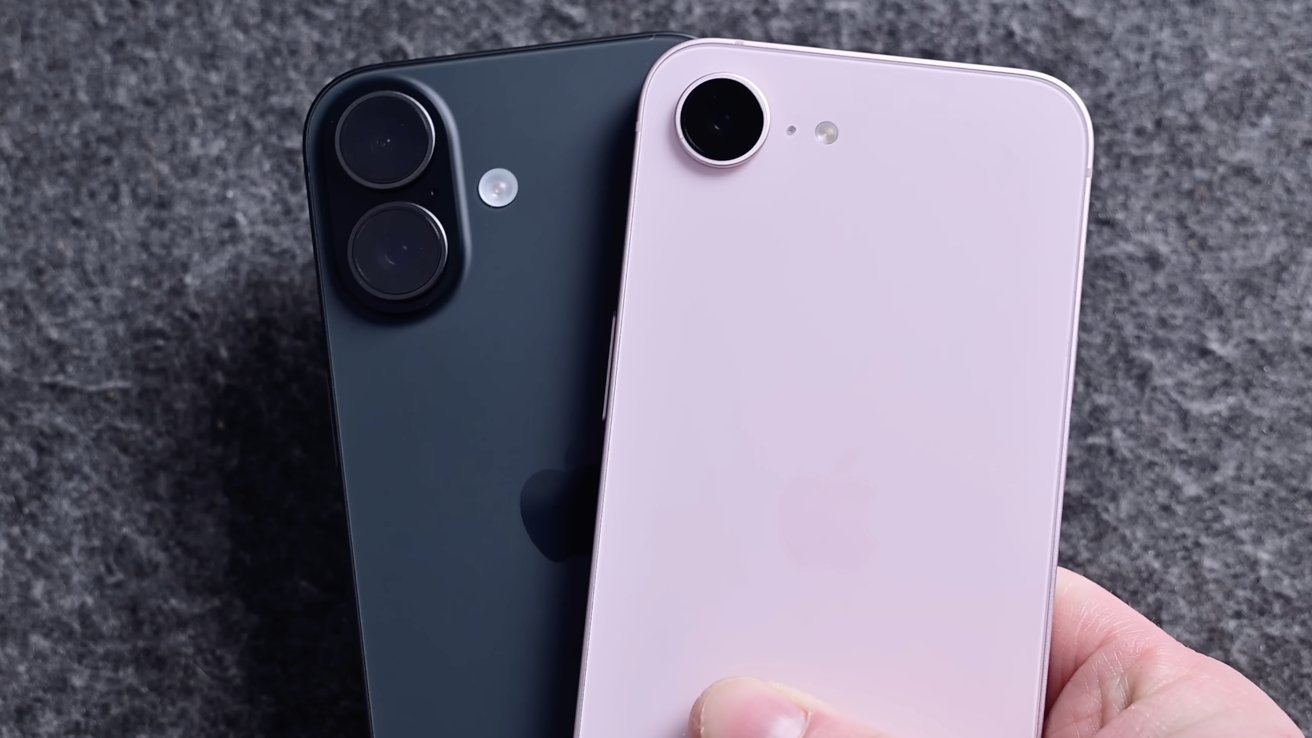
Camera configurations will also set the two models apart. The iPhone 18 is projected to house a dual-camera system, enhancing photographic versatility. Conversely, the iPhone 18e is expected to come with a single rear camera, catering to users with more straightforward photography needs. Both models are rumored to feature a 24-megapixel front-facing camera, an upgrade from the 18-megapixel sensor found in the iPhone 17 series, promising sharper and more detailed selfies. ([macrumors.com](https://www.macrumors.com/2025/11/07/iphone-18-lineup-24mp-selfie-cameras/?utm_source=openai))
Battery and Charging
Battery performance and charging capabilities are areas where the iPhone 18 and iPhone 18e will differ. The iPhone 18 is expected to support faster wired charging at 40W and wireless charging at 25W, facilitating quicker power replenishment. In contrast, the iPhone 18e is anticipated to offer wireless charging at 15W, aligning with its position as a more budget-friendly option. ([phonearena.com](https://www.phonearena.com/phones/compare/Apple-iPhone-18%2CApple-iPhone-18e/phones/12879%2C12950?utm_source=openai))
Strategic Implications
By aligning the processing hardware of the iPhone 18 and iPhone 18e, Apple aims to streamline manufacturing processes and reduce production costs. This strategy may also serve to accentuate the distinctions between the standard models and the Pro variants, potentially making the iPhone 18 Pro and iPhone 18 Pro Max appear more advanced in comparison. This approach reflects Apple’s ongoing efforts to cater to diverse consumer segments while optimizing operational efficiencies. ([appleinsider.com](https://appleinsider.com/articles/26/04/20/spring-2027-iphone-18-iphone-18e-may-be-more-alike-than-different?utm_source=openai))
Conclusion
The upcoming iPhone 18 and iPhone 18e are poised to offer consumers a more unified performance experience, thanks to shared processing hardware. However, differences in design, display, camera capabilities, and charging features will continue to provide options tailored to varying user preferences and budgets. As the spring 2027 release approaches, further details are expected to emerge, shedding light on Apple’s strategic direction for its smartphone lineup.