Apple’s iOS 27 to Enforce Enhanced Network Security Protocols for Developers
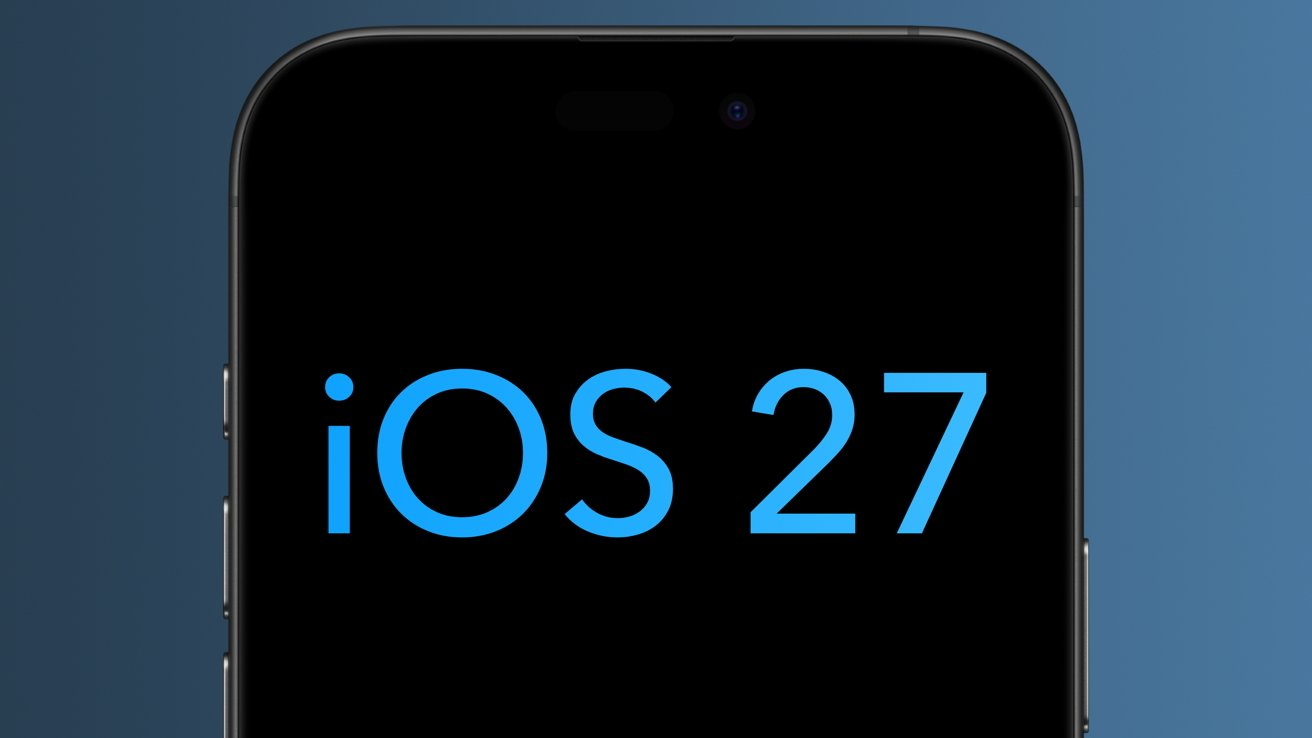
Apple is set to introduce stringent network security protocols with the release of iOS 27, a move that will significantly impact developers and IT administrators. While the general user base may not notice these changes, those involved in app development and device management will need to adapt to the new requirements to ensure seamless functionality.
Overview of the Upcoming Changes
Scheduled for release in the coming month, iOS 27 will implement updated security measures aimed at fortifying system processes. According to a recent Apple support document, the new operating system will require stricter network security for system processes. This means that iOS 27 and its counterparts may reject connections to servers that have outdated or non-compliant Transport Layer Security (TLS) configurations.
Implications for Developers and IT Administrators
To align with these enhanced security standards, developers and IT administrators must update their server configurations to support TLS 1.2 or later versions, with a strong recommendation from Apple to adopt TLS 1.3. Additionally, servers are required to utilize App Transport Security (ATS)-compliant cipher suites and present valid certificates that adhere to ATS standards.
For servers that only support TLS 1.2, the following specifications are mandatory:
– Support for key exchange algorithms that provide Perfect Forward Secrecy (PFS), such as Elliptic Curve Diffie-Hellman Ephemeral (ECDHE).
– Use of Authenticated Encryption with Associated Data (AEAD) cipher suites based on Advanced Encryption Standard Galois/Counter Mode (AES-GCM) with Secure Hash Algorithm (SHA)-256, SHA-384, or SHA-512.
– Implementation of the extended master secret extension as defined in RFC 7627.
Affected Services and Actions
The updated security requirements will impact several services and actions, including:
– Mobile Device Management (MDM)
– Declarative Device Management (DDM)
– Automated Device Enrollment
– Configuration profile installation
– App installation, including enterprise app distribution
– Software updates
Guidance for Compliance Testing
To assist developers in ensuring compliance with the new security standards, Apple has provided debugging instructions. Developers are advised to install Apple’s Network Diagnostics Logging Profile on a test device running iOS 26.4 or later, or the corresponding software release for other Apple platforms. After installing the profile, developers should execute their typical workflows and subsequently collect and analyze diagnostic logs to verify adherence to the updated security protocols.
Broader Context and User Impact
While these changes are primarily targeted at developers and IT administrators, casual iPhone and iPad users can anticipate other enhancements with the iOS 27 update, such as an improved Siri experience and overall performance and stability improvements.
Apple’s commitment to bolstering security is evident in these forthcoming changes. By enforcing stricter network security requirements, the company aims to provide a more secure and reliable environment for both developers and end-users.