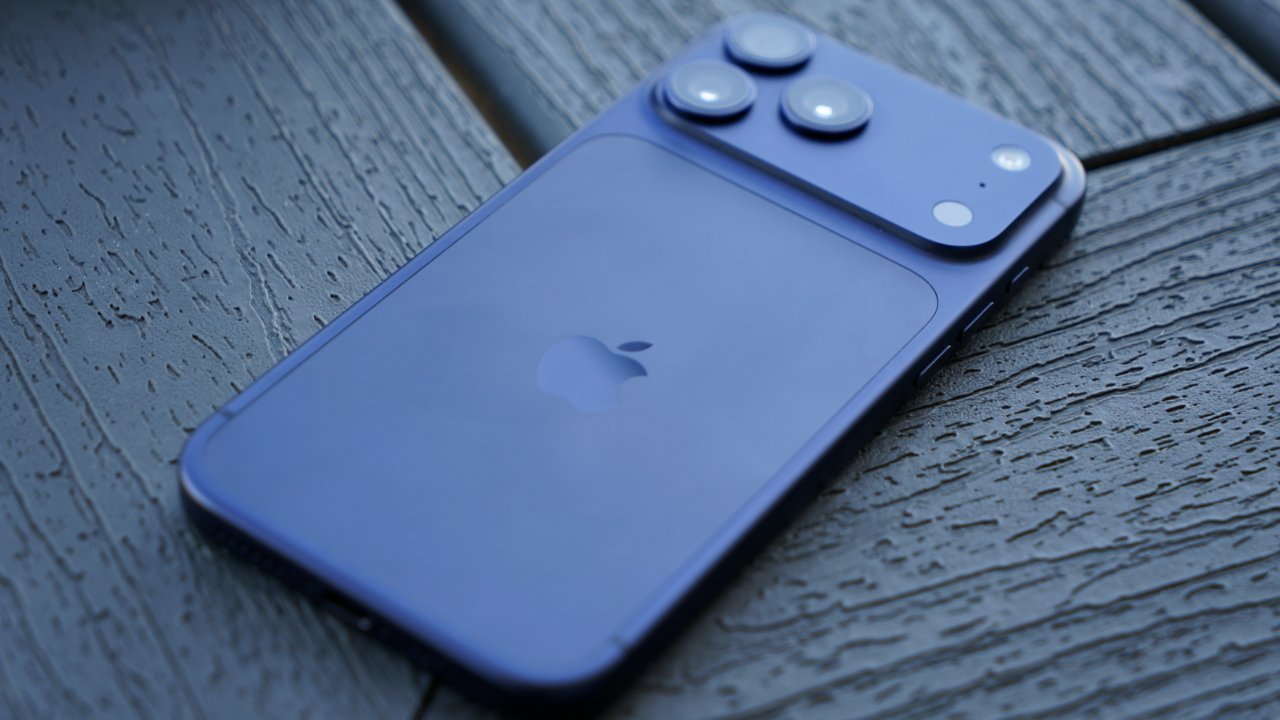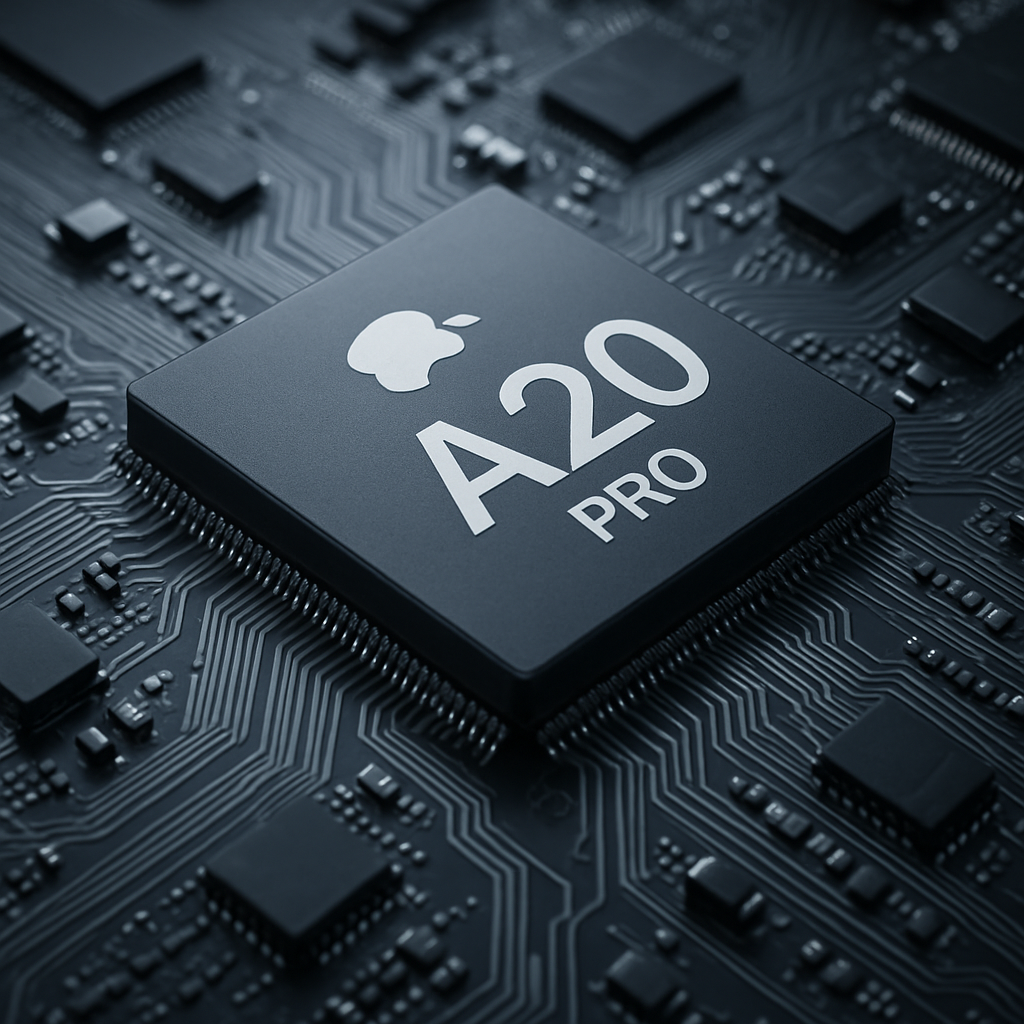
Apple has officially revealed its latest silicon breakthrough: the A20 Pro chip, debuting in the iPhone 18 Pro and iPhone 18 Pro Max. The A20 Pro marks Apple’s first smartphone chip using a 2-nanometer fabrication process, aimed at delivering substantial improvements in speed, efficiency, and on-device AI performance.
CPU, GPU and Neural Upgrades
The A20 Pro features a 6-core CPU design, composed of two “super” cores Apple claims are “desktop class” and offer up to 20% higher performance than their counterparts in previous chip generations. These are supplemented by four new efficiency cores to help balance power draw during less demanding tasks.
On the graphics side, Apple has redesigned the GPU with a 7-core layout. The improvements here boost graphics throughput by up to 40%, supported by an increase in memory bandwidth. For machine learning workloads, the GPU’s built-in neural accelerators double the chip’s FP8 performance from what the prior generation could deliver—key for running large language models locally on the device.
Neural Engine, Thermal Design, and Sustained Performance
In addition to the GPU-embedded accelerators, the A20 Pro incorporates a standalone Neural Engine with a total of 32 cores. Apple describes it as offering twice the compute power of its predecessor, now supporting 8-bit floating point arithmetic, and far more capable of on-device model inference workloads. The chip also introduces Apple’s widest memory interface ever shipped in an iPhone.
To make full use of these gains, Apple redesigned the chip’s packaging inspired by its high-performance M-series chips. The new design connects both silicon and memory directly to a vapor chamber to improve heat dissipation. This becomes crucial for maintaining sustained performance—Apple reports the A20 Pro delivers 40% more sustained performance over the A19 Pro in the iPhone 17 Pro, and double the performance compared to the A18 Pro chip in the iPhone 16 Pro.
Why 2nm Matters
The shift to a 2nm process is a major technological leap. As ever-smaller semiconductor nodes mature, they allow for more transistors in the same space, often reducing power consumption while improving speed. Apple tapping this process in a smartphone SoC places it at the cutting edge of mobile silicon.
The A20 Pro sets a new performance benchmark for the iPhone Pro line: dramatically improved CPU and GPU speeds, enhanced neural processing for AI tasks locally, and better sustained performance under load thanks to more advanced thermal design. This chip will power key features in iOS, including advanced on-device AI, graphics-intensive apps, and likely future innovations.
What to watch for now: how the iPhone 18 Pro models manage battery life with this power increase; whether app developers leverage the doubled FP8 and Neural Engine enhancements; and how this 2nm A20 Pro compares in real‐world benchmarks once reviews and third‐party stress tests start rolling in.