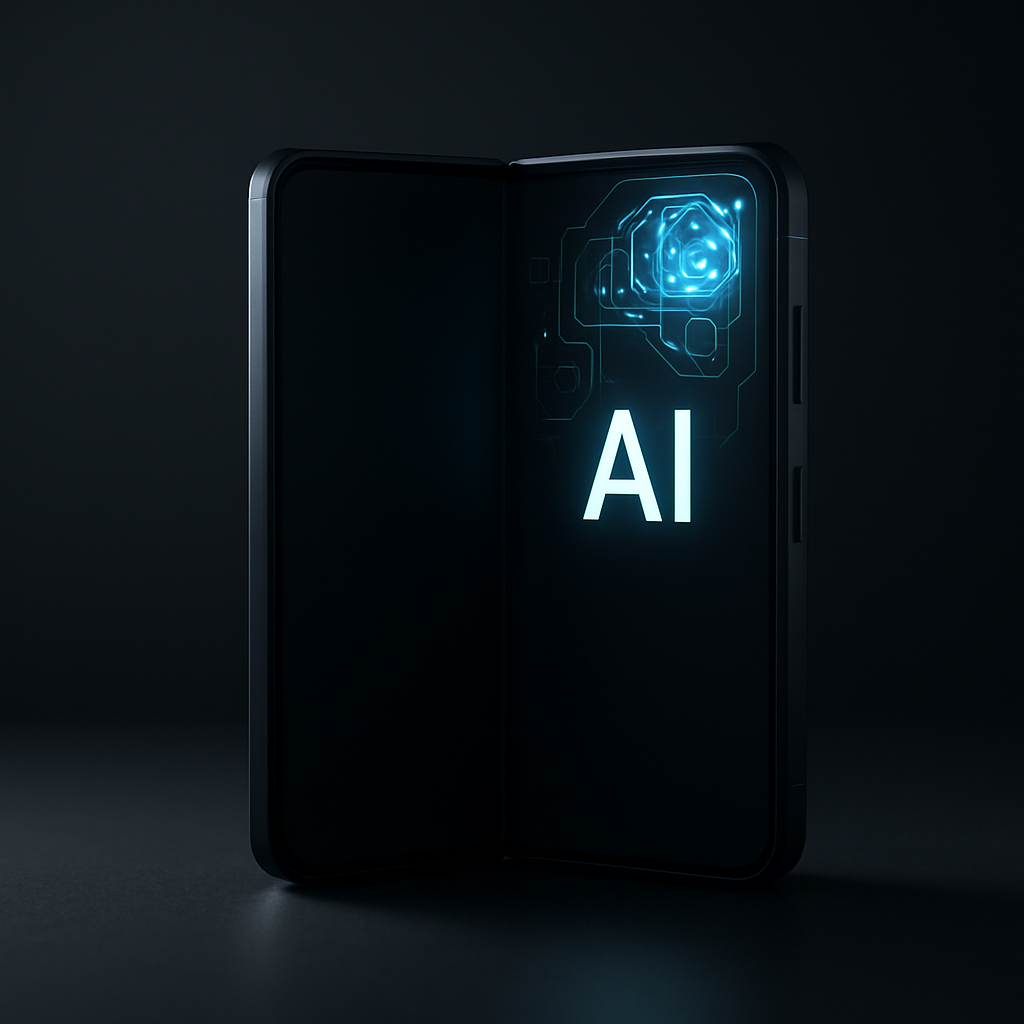
Apple is reportedly exploring ways to integrate Face ID into future versions of the iPhone Duo, where Touch ID currently serves as the biometric option. Because the Duo’s slim frame leaves little room for traditional Face ID hardware—such as depth sensors and infrared cameras—the company may lean on its new “Apple Intelligence” platform to fill the gap.
Why Face ID isn’t in current iPhone Duo
The current iPhone Duo uses Touch ID because its ultra-thin design makes it physically impossible to include all the components that traditional Face ID systems require. The depth-sensing infrared flood illuminator, dot projector, and other modules would take up too much space within the limited chassis.
How Apple Intelligence could help
A recent industry report suggests that Apple Intelligence might be leveraged not just for improving computational photography, but also for handling much of the image processing required for Face ID. With smarter on-device AI, Apple could potentially reduce hardware complexity—meaning smaller sensors and simpler depth detection hardware could be used, with software picking up the slack.
When it might happen
It’s not expected that Face ID will arrive with the next iPhone Duo—it might take until the third generation of the model for Apple to pull this off. By then, the Duo is also expected to receive a telephoto lens. These enhancements would require sophisticated hardware and software coordination, something Apple is well-positioned to do thanks to its control over both sides.
What this possible transition tells us is how the gap between hardware and AI is closing. Apple Intelligence seems poised not just to enhance user-facing features, but to reimagine device design constraints—allowing slimmer form factors without sacrificing premium capabilities like Face ID. The key to watch will be whether upcoming generation models deliver real gains in security, speed, and user experience when relying more heavily on AI-driven imaging rather than traditional sensors.